
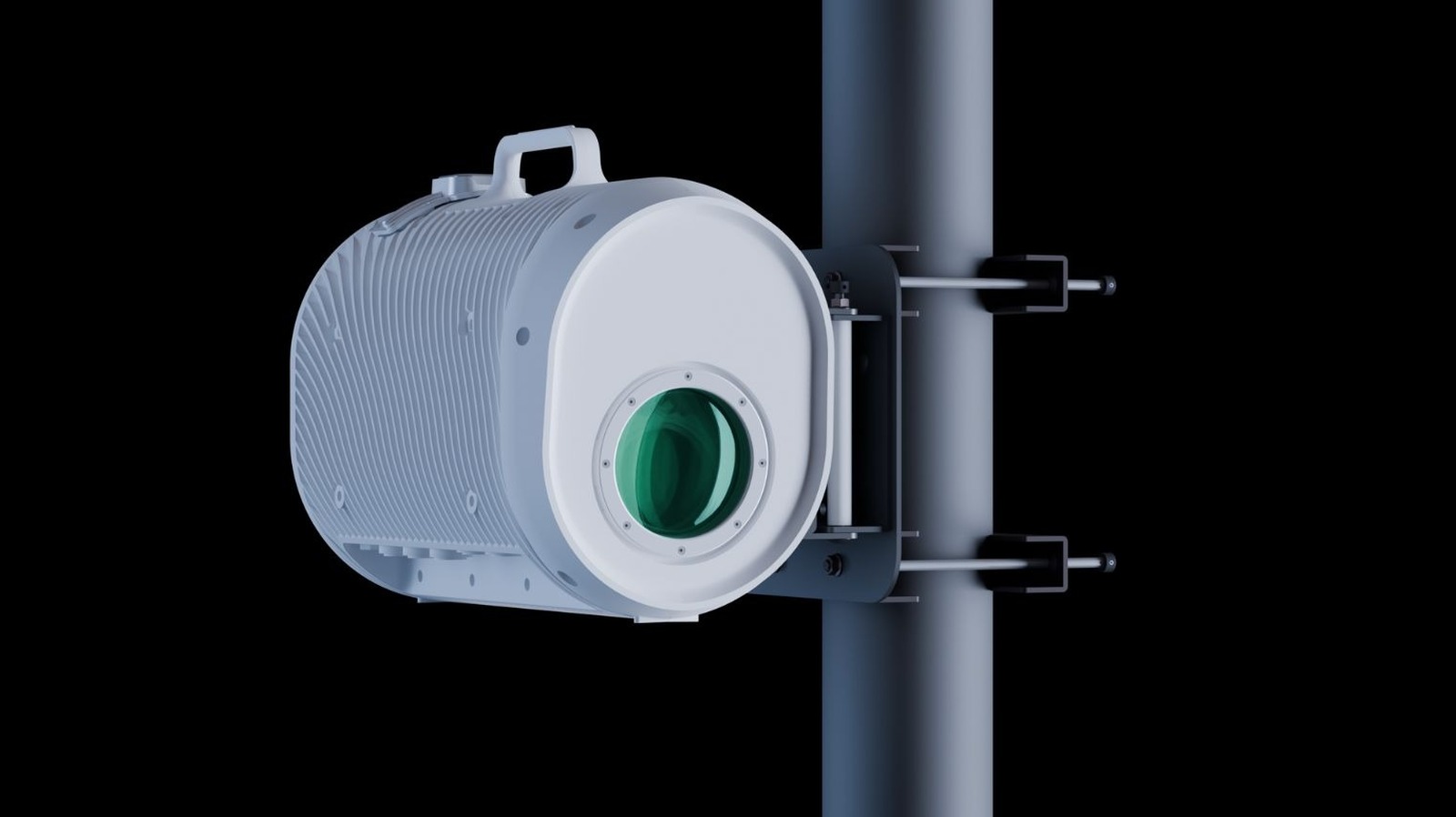
A Google spinoff is experimenting with delivering internet through focused wireless light beams, aiming to send data across short distances with lasers or LEDs instead of radio frequencies. This article walks through what that approach promises, the tech tradeoffs, and how it stacks up against satellite internet like Starlink. Expect a clear look at performance, cost, deployment challenges, and the practical limits of light-based broadband.
The idea at the center is simple: use visible or infrared light to carry data through the air between fixed points, turning lamps or dedicated transceivers into high-speed links. Light can carry massive amounts of data and avoids crowded radio bands, which makes it attractive in dense urban pockets or as a backbone between nearby sites. On the other hand, it generally needs clear line of sight and can be blocked by weather, people, or architecture, so the use cases are specific rather than universal.
Speed is where the concept shines: free-space optical links can reach gigabit and even multi-gigabit rates in lab and controlled field tests, matching or beating many wired and wireless options. Latency tends to be very low because light travels fast and the links are short, which helps real-time applications and cloud services. But peak speeds in a controlled setup don’t always reflect real-world consistency when fog, rain, or dirt on optics come into play.
Compared with Starlink satellite broadband, light-beam systems answer a different set of problems rather than replacing satellites. Starlink covers wide areas and reaches remote locations where putting down terrestrial infrastructure isn’t practical, while light links are better suited for dense neighborhoods, campuses, and last-mile links inside cities. Satellites are weather-resistant in the sense they don’t require line of sight across streets or alleys, though heavy storms can still affect signals; light links are more fragile but cheaper per-bit for short hops when conditions are right.
Cost matters and the two approaches diverge here. Building out large numbers of light transceivers and mounting hardware on poles, rooftops, and inside buildings involves upfront installation but can scale with commodity optics and LEDs. Satellite service requires rockets, ground stations, and a massive operational network, which spreads cost differently and often comes with subscription fees tied to the provider’s capital investment. For dense deployments where many users share the same nearby infrastructure, light can be a more economical choice long term.
Deployment is practical in some environments and nearly impossible in others. Urban canyons with many flat rooftops and short sightlines can be ideal, as can corporate campuses that need high-capacity links between buildings. Suburban leafy streets or rural areas with trees and rolling terrain are tougher since branches and hills interrupt beams easily. That means operators will likely mix technologies, using light where it makes sense and other radio or fiber options elsewhere.
Reliability and maintenance pose different headaches than radio-based systems. Light optics require precise alignment and periodic cleaning, and they can be knocked out by a window washer, a truck, or a storm. Radios have their own issues but are generally more tolerant of misalignment and partial blockage. Operators will need monitoring systems, redundancy, and perhaps automatic realignment to keep light links viable in commercial deployments.
Regulation and spectrum use are also part of the picture, though light-based links avoid traditional RF licensing headaches because they operate in optical bands. That ease of use can speed deployments and lower regulatory costs, but safety and local permitting for rooftop and pole hardware still matter. There are also standards and interoperability considerations if multiple vendors try to connect devices from different manufacturers.
From a user perspective, the promise is seamless, high-speed connections without laying fiber to every doorstep, plus potentially lower latency than satellite in many cases. For businesses and high-density neighborhoods, a swath of low-cost optical links could deliver fast service with minimal disruption. Consumers in scattered rural settings will still find satellites like Starlink or fixed wireless necessary until a different model scales out.
Security considerations are unique: optical beams are confined and hard to intercept without being physically in the beam path, offering a degree of inherent containment compared with radio signals that propagate widely. That said, proper encryption and network controls remain essential because physical access to transceivers could expose data flows. Operators will treat light links as another network edge that needs secure management and rapid fault detection.
Innovation will determine whether this approach moves beyond pilot projects into broader deployment. Technical improvements in automatic tracking, weather-tolerant optics, and hybrid systems that fall back to radio or wired links when needed will widen practical use. If costs drop and reliability rises, light-based internet could become a valuable component in a mixed-technology future where no single solution fits every situation.
The test by the Google spinoff highlights the continuing push to diversify how we connect, seeking alternatives to congested radio bands and expensive fiber builds. Its real-world success will hinge on proving sustained throughput and uptime in everyday conditions, not just impressive lab numbers. Until those proofs are widespread, expect light links to appear alongside existing systems rather than as a wholesale replacement.
