
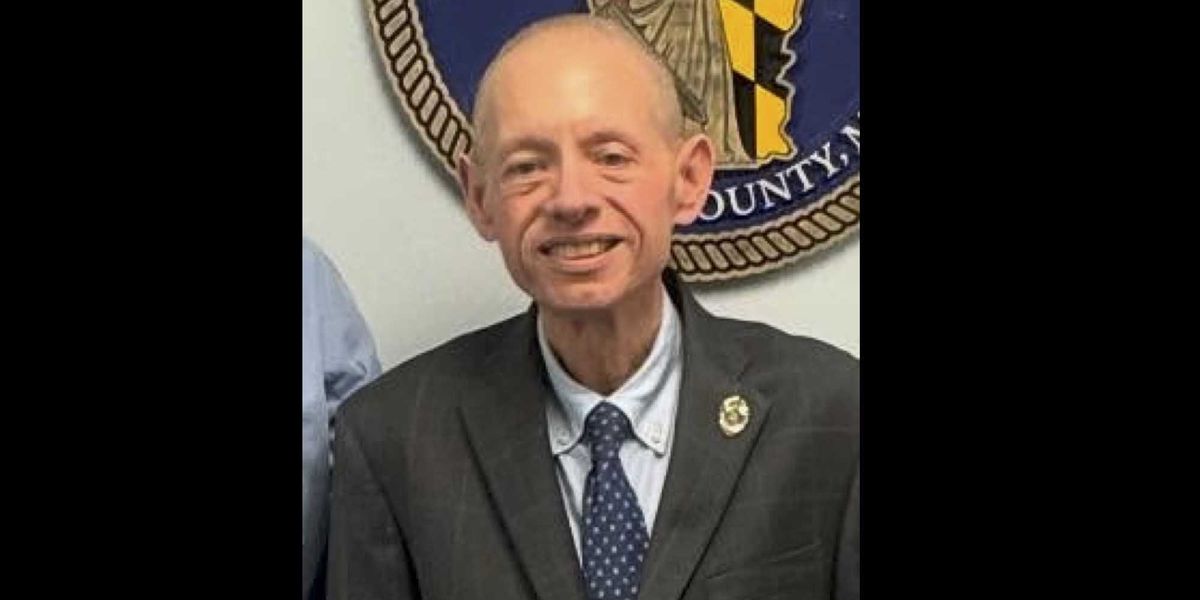
A veteran county prosecutor says Maryland has become unlivable under progressive policies, and he’s packing up after six decades; this piece lays out his reasons, the specific laws he cites, what state business groups are reporting about migration, and the broader political implications from a conservative perspective.
Haven Shoemaker, the Carroll County State’s Attorney, announced that once his term ends he plans to move to North Carolina after spending decades in Maryland. He made it plain in televised remarks that the direction of state leadership factored into his decision and that he no longer sees a future for himself there. “[Democratic Gov.] Wes Moore and the Democrats in the General Assembly, you’ve won. I’m leaving,” the Republican said.
Shoemaker lists a string of policy choices that he says have hollowed out opportunity and safety across Maryland, pointing to higher taxes, looser prosecution policies, and the state’s posture on immigration. He bluntly framed the fiscal picture as unsustainable and the legal changes as a retreat from common-sense enforcement. ‘Maryland has now become a sanctuary state. Even after jacking up taxes to the tune of, what, $1.6 billion last year, we’re still looking at a structural deficit next year.’
He stressed his long involvement in Maryland public life to underline that this is not a knee-jerk break with the place he grew up in, but a measured response to steady change. “Maryland has gotten progressively more woke every single year,” he continued. “Their fiscal policies are awful. They’re taxing people to death. Car registration fees are through the roof. And, you know, this most recent session in Annapolis was really, you know, sealed my fate and has hastened my departure. Maryland has now become a sanctuary state. Even after jacking up taxes to the tune of, what, $1.6 billion last year, we’re still looking at a structural deficit next year.”
He singled out criminal justice changes that, in his view, remove accountability and put communities at risk, pointing to the Youth Charging Reform Act as emblematic of the trend. The law prevents automatic adult charging of 16- and 17-year-olds in certain serious cases involving drugs, assault, and firearms, a shift he calls dangerous. “It’s more criminal coddling legislation that we see emanating from Annapolis every single year,” he added. “They were just telltale signs that Maryland’s lost.”
Those policy shifts are playing out not just in courtroom debates but in where people choose to live, according to statewide business groups tracking migration. The Maryland Chamber of Commerce reports the state near the bottom for domestic migration, and it tied the exodus to a suite of pressures on residents and companies. “High taxes, rising living costs, housing affordability challenges and regulatory complexity are pushing residents to states with lower costs, better growth prospects, and more business-friendly climates,” read a statement from the chamber.
Shoemaker framed the departures as a cultural and economic wake-up call for state leaders, noting that families and professionals vote with their feet when the costs and rules tip too far. He observed that communities losing experienced public servants and business leaders erode the civic fabric that once made Maryland competitive. He went on to say that people are leaving “in droves, and it’s sad.”
From a conservative point of view, his exit is not just a personal move but an indictment of policies that prioritize ideology over practical results, leaving taxpayers and small businesses to shoulder the consequences. When a long-serving prosecutor says the state is a lost cause, it forces a reckoning about whether current leaders are responsive to ordinary residents. Lawmakers who champion higher taxes and softer criminal penalties should expect accountability when services decline and residents relocate.
Maryland’s experience is a cautionary example for other states weighing similar policy choices, and it highlights the political stakes of fiscal and public safety debates heading into future elections. Voters will ultimately decide whether steep taxes, regulatory burdens, and changes in criminal justice align with the kind of community they want to protect and build. The exit of experienced public servants like Shoemaker makes that decision more immediate for people who still call the state home.
