
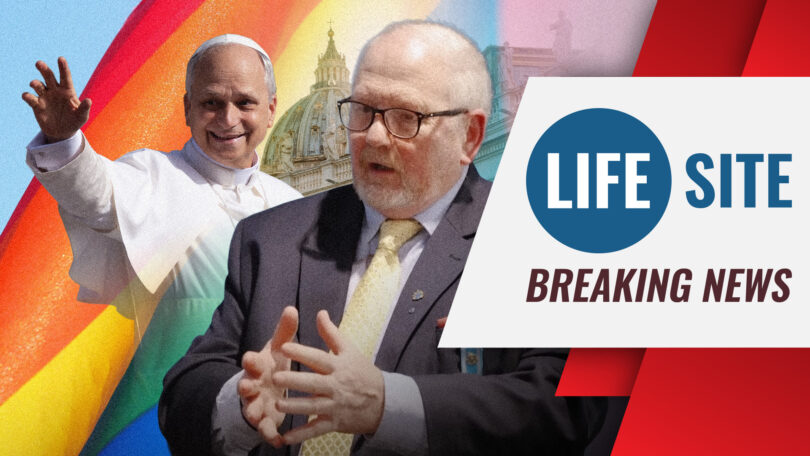
Professor William Thomas, a theologian with decades of academic work, publicly criticized recent statements by the pontiff, arguing they mischaracterize moral teaching and risk confusing the faithful; this article examines Thomas’s concerns, the theological basis he cites, the broader reactions from clergy and laity, and what the debate might mean for the church going forward.
In the interview, Thomas did not mince words, calling the pontiff’s comments “downplaying” of certain moral issues a serious error that deserves careful scrutiny. He framed his critique around consistency in doctrine, insisting that long-standing teachings should not be softened without clear theological and pastoral justification. Thomas made it plain that his aim was to protect clarity for the faithful rather than to create a factional dispute.
Thomas grounded his argument in theological tradition, referencing how moral teachings have been articulated across generations to form a coherent moral vision. He argued that when a leading voice appears to temper those teachings, it creates uncertainty among parishioners and priests who look to Rome for guidance. That uncertainty, he said, can have practical consequences for pastoral practice and catechesis in parishes worldwide.
The critique also touched on pastoral care, with Thomas warning that ambiguous statements can be seized by some as permission to disregard moral norms. He emphasized that pastoral sensitivity should never be used as an excuse to blur moral boundaries, and that compassion and truth must be held together. For Thomas, the balance between mercy and moral clarity is central to effective ministry.
Responses from clergy and lay commentators were mixed, reflecting the larger diversity of opinion within the global church. Some resonated with Thomas’s plea for doctrinal steadiness, while others urged a more contextual reading of the pontiff’s remarks, arguing that pastoral nuance sometimes looks like looseness but may be aimed at inclusion. That split highlights how difficult it is to read tone and intent from a single public remark, especially when expectations are high.
Legal and institutional implications were raised as well, with observers noting that public criticism from a respected theologian could pressure bishops and synodal bodies to clarify positions. Thomas suggested that diocesan leaders might need to issue guidance to avoid local confusion while higher authorities consider whether a formal clarification is required. He urged prudence from episcopal conferences, recommending clear language that safeguards both doctrine and pastoral outreach.
Thomas’s academic background came up repeatedly in the conversation, establishing why his words carried weight beyond a routine opinion. He has taught moral theology and published on sacramental practice, which gives him a platform to assess doctrinal developments with a historical and scholarly eye. That experience allowed him to point to past moments when doctrinal ambiguities were addressed through careful clarification, not rhetorical shifts.
Beyond institutional questions, the debate prompted reflections on how the faithful receive moral teaching in an age of rapid communication and social media. Thomas warned that a single headline can become a lasting narrative, and urged church leaders to anticipate how remarks will be amplified and interpreted. He recommended proactive communication strategies that combine pastoral warmth with doctrinal clarity to prevent misunderstandings from taking root.
Many commentators noted that healthy debate within the church can be constructive when conducted respectfully and with a shared desire for truth and pastoral care. Thomas framed his criticism as part of that tradition, insisting it was motivated by concern for the spiritual well-being of ordinary believers. He called for open, charitable dialogue among theologians, bishops, and the pontiff’s advisers to restore clarity where needed.
Looking at possible next steps, Thomas called for a measured response rather than immediate confrontation, suggesting that careful theological reflection and collegial discussion could resolve the tension. He proposed convening expert groups to examine the theological and pastoral dimensions of the remarks and to recommend how best to communicate any clarifications. That approach aims to protect both the integrity of teaching and the pastoral needs of diverse communities without escalating division.
