
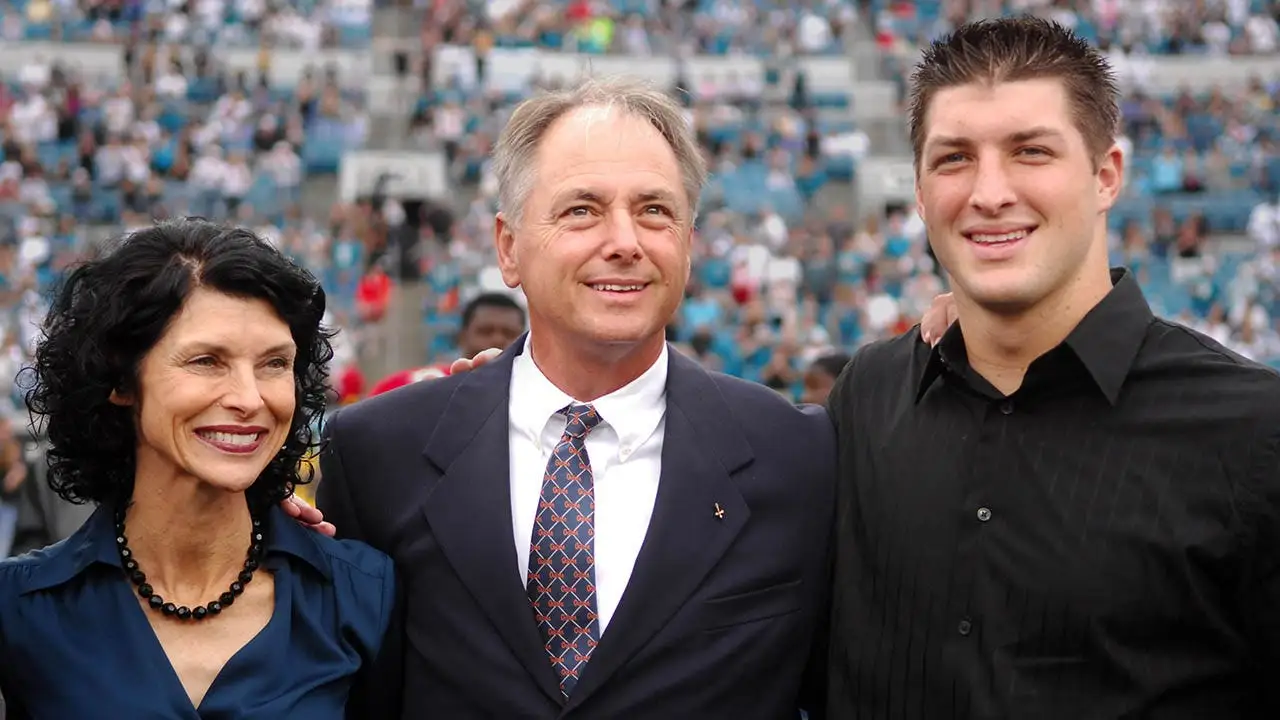
Heisman winner Tim Tebow has announced the death of his father, Bob Tebow, at 78, remembering a life rooted in faith and decades of missionary work in the Philippines serving orphanages. The news centers on a man known for steady devotion, hands-on service, and influence both at home and across oceans. This piece honors that life, outlines the work he did, and reflects on the kind of legacy that quietly reshapes communities.
Bob Tebow was known to many as a pastor and missionary figure whose life revolved around faith and service. Those closest to him describe a steady commitment to ministries that prioritized children and families, especially through long-term efforts in the Philippines. The image many hold is of a man who preferred action over attention and who believed faith should meet real needs.
The announcement from Tim Tebow landed with both sorrow and gratitude, emphasizing how his father lived out beliefs in tangible ways. For Tim, whose public platform includes sports and faith-based outreach, this is a deeply personal loss that also highlights a family tradition of service. Friends and family have been sharing memories that underline Bob Tebow’s consistency, patience, and practical compassion.
Missionary life in the Philippines, as described by those who knew Bob Tebow’s work, involved close partnerships with local leaders and direct support for orphanages. That support often looked like fundraising, building relationships, providing resources, and walking alongside local staff through challenges. The focus on orphan care reflected a refusal to treat needs as distant problems and instead embedded help into daily life for vulnerable children.
Those impacted by decades of such ministry rarely speak in headlines; they speak in changed lives and steady improvements. Children who grew up in supported homes, staff who gained training and resources, and local communities who reclaimed hope are the quieter evidence of a mission lived faithfully. Recognition from broader audiences tends to come later, once patterns of stability and opportunity show up where scarcity once dominated.
The response from the community, both faith-based and athletic, has been one of respect and heartfelt sympathy. Public condolences often blend personal memories with notes about the wider reach of a life given to service, and sports fans who watched Tim Tebow grow into a public figure are remembering the family values he frequently cites. These reactions reveal how private acts of care can ripple outward and draw attention to causes that deserve continued support.
Legacy in cases like this is less about monuments and more about ongoing relationships that carry forward a mission. Ministries, orphanage staff, and families touched by Bob Tebow’s work are likely to keep pressing forward, holding tight to the practical lessons of partnership and local empowerment. Tim and his family’s choice to honor that work publicly helps sustain interest and resources that can keep projects alive and responsive.
In the days ahead there will be private mourning and moments of public recognition, but the truest tribute will be continued service where it’s still needed. Friends and supporters can mark this moment by lifting up the children and communities he served, by supporting local leaders who remain on the ground, and by remembering that steady commitment often outlasts rhetoric. That kind of persistence is the clearest way to honor a life spent serving others.
