
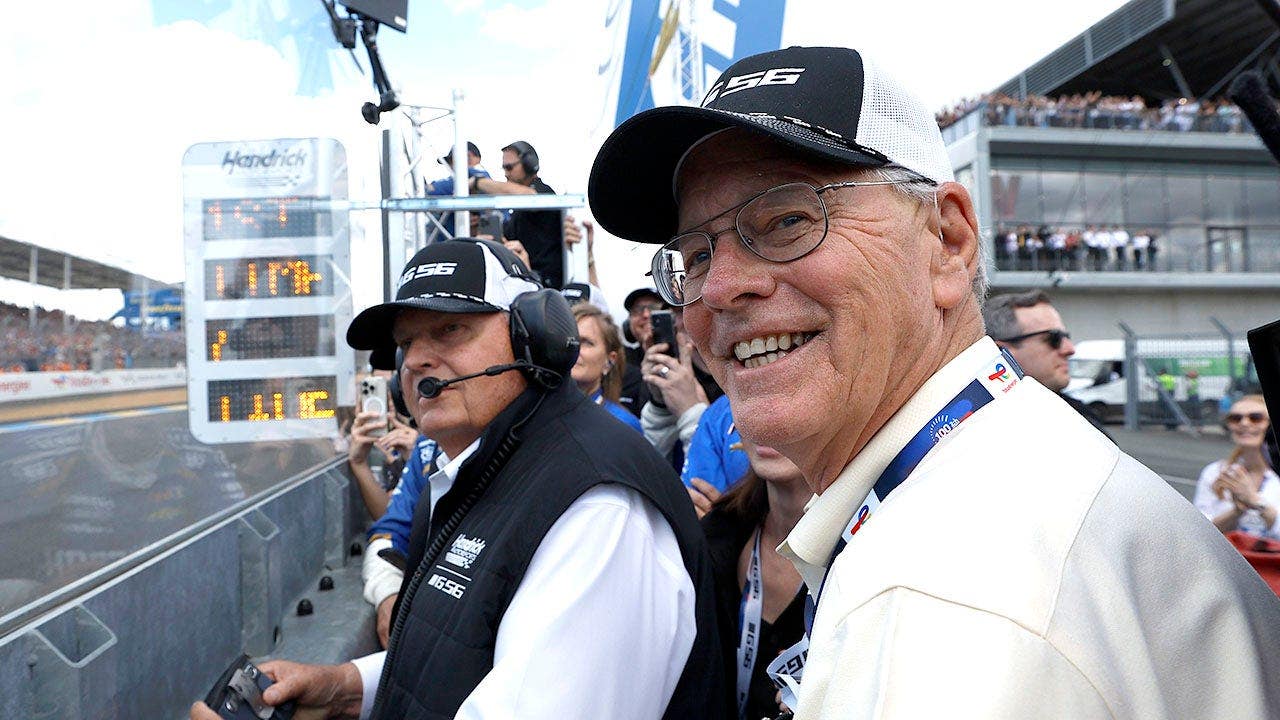
Jim France is preparing to hand over the reins at NASCAR, making way for Steve O’Donnell to become the sport’s first non-France family CEO, a move that marks a noticeable moment in NASCAR history and promises operational continuity while opening the door to managerial change.
The decision from the France family signals a deliberate transition rather than a sudden upheaval, and that matters for a sport built on steady leadership. Jim France has been a recognizable figurehead whose name is practically synonymous with NASCAR’s modern era, so this shift will be watched closely by teams, sponsors, and fans alike.
Steve O’Donnell arrives with a resume steeped in race operations and broadcast relationships, and that blend of technical and media savvy is exactly what many insiders say the sport needs now. He is known for a pragmatic approach to day-to-day running and a willingness to engage with partners to expand NASCAR’s reach, and those strengths may reshape priorities without rewriting NASCAR’s DNA.
The France family’s influence on NASCAR has been foundational, turning a regional pastime into a national business and cultural fixture. That background creates a deep institutional memory, so handing leadership to an outsider like O’Donnell is symbolically significant, but the intention appears to be evolution rather than revolution.
For teams and drivers, the immediate concern will be predictability and the mechanical details of how decisions get made, and O’Donnell’s operational track record should reassure those who crave routine. Sponsorship deals, rules packages, and scheduling are the practical touchpoints that determine a team’s season, and continuity in those areas will be the clearest test of this leadership change.
Sponsors and broadcast partners will also be sizing up what the new leadership means for visibility and return on investment, and O’Donnell’s broadcast ties give him credibility at the negotiating table. If he can translate operational stability into stronger media deals and fan engagement, that could be a quiet win for everyone involved.
Fans tend to be wary of corporate shifts because they can mean altered traditions or race day experiences, but the sport’s commercial momentum depends on bringing new viewers into the fold. Expect NASCAR to emphasize that the culture and competitive spirit fans cherish will remain intact even as the front office updates how business gets done.
There are broader industry pressures too, from streaming competition to changing entertainment habits, and leadership will need to balance heritage with modern distribution strategies. O’Donnell’s practical background could make him a capable steward in negotiating streaming partnerships and exploring formats that keep racing relevant without alienating longtime followers.
Ultimately, this is a moment for steady hands and clear priorities rather than headline-grabbing edicts, and the optics of passing the baton outside the family underline a willingness to adapt. Stakeholders will be watching for how quickly decisions land, how transparent the new leadership is with the sport’s community, and whether the change sparks healthier growth on and off the track.
