
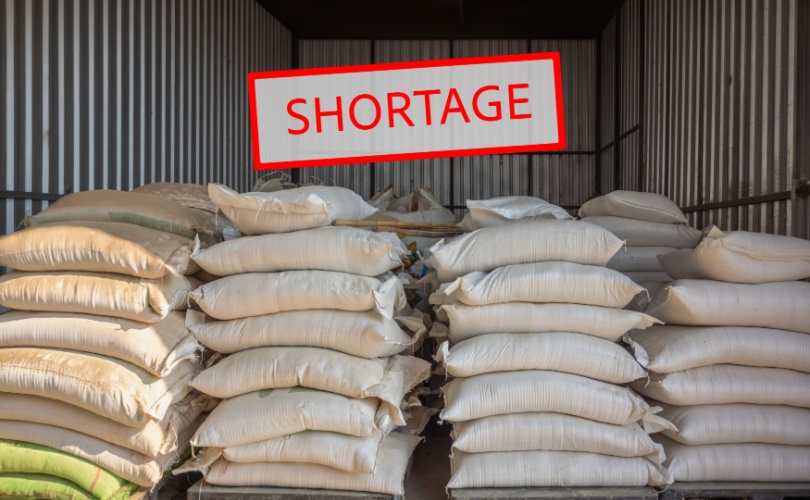
The confrontation involving the United States, Israel, and Iran is already squeezing global fertilizer flows through the Strait of Hormuz, putting farmers on the front line and threatening to push food prices up by as much as 20 to 30 percent. This piece looks at how the choke point in shipping turns into a supply shock, why farmers face bigger losses, and what policy moves make sense from a Republican point of view. The situation mixes geopolitics and groceries in a way that demands fast, practical responses from Washington.
Most of the world’s fertilizer moves by sea and a large share must transit the Strait of Hormuz, so any naval standoff there matters to fields half a world away. When shipments slow or insurers jack up rates, cargos sit idle and planting schedules change. Farmers do not have time on their side; a delayed or reduced application of fertilizer can mean sharply lower yields when harvest comes around.
Supplies get tight first, then prices spike. Fertilizer commodities react fast to disruptions in shipping lanes and to threats against ports, creating a cascade from manufacturers to distributors to farm elevators. That squeeze then translates into higher input costs for growers and eventually into consumers paying more at the grocery store.
The potential 20 to 30 percent rise in food prices is not an abstract number. That range reflects what happens when input supplies contract quickly while demand stays steady or grows. For families already stretched by inflation, that kind of jump can make staples unaffordable and increase political pressure on leaders to act decisively.
From a Republican perspective, we need two things at once. First we must protect our allies and shipping lanes with clear, strong deterrence so commerce can flow. Second we have to be pragmatic about the economic fallout and take steps at home to blunt the hit to farmers and consumers without retreating from our strategic priorities.
Rerouting ships around longer paths, or forcing cargos through more circuitous routes, slows delivery and piles on insurance costs that hit traders immediately. Alternative suppliers exist in places like Russia, China, and North Africa but shifting trade patterns takes time and can be blocked by sanctions or political friction. In short, there are no quick fixes that do not carry tradeoffs.
Policy moves that make sense start with securing the lanes and backing that up with economic relief where needed. That means deploying assets to protect shipping while coordinating with allies and partners, and simultaneously boosting domestic fertilizer production so the United States is less exposed to foreign chokepoints. Streamlining permitting for fertilizer plants and encouraging private investment are common sense steps that reduce leverage hostile actors can exert over our food supply.
On the home front, practical measures for farmers will matter. Targeted relief for producers facing sudden input shocks, temporary tax credits for purchasing fertilizer, and expanded disaster assistance can keep operations afloat during the squeeze. Markets need confidence, and clear, timely support helps prevent panic selling and the cascading effects that worsen price spikes.
Longer term, this crisis should prompt a rethink of how much strategic dependence we accept for basic necessities like fertilizer. Building capacity at home and with friendly partners, protecting shipping corridors, and making sure our trade and sanction policies account for the downstream effects on food security are steps any serious national strategy must include. The choice is simple: shore up our supply lines and domestic capacity now or pay more later at checkout lines and in economic instability.
