
Pope Leo XIV’s recent comment that Pope Francis has “entered heaven.” has sparked a sharp debate about how the Church speaks of a deceased pontiff, the long-standing practice of praying for the dead, and whether public language is drifting toward premature canonization. This piece looks at the canonical norms, the reactions from commentators, and the thread of influence that observers say links Francis to Leo’s rapid elevation and the language now in circulation.
The Catholic tradition treats the death of a pope with solemn prayer and a careful observance of established procedures, not with instant declarations of sainthood. Canonization is a formal, multi-step process rooted in evidence, investigation, and often decades of careful consideration. When a leading cleric uses language like “entered heaven.” it cuts against that slow, methodical approach and raises questions about precedent and prudence.
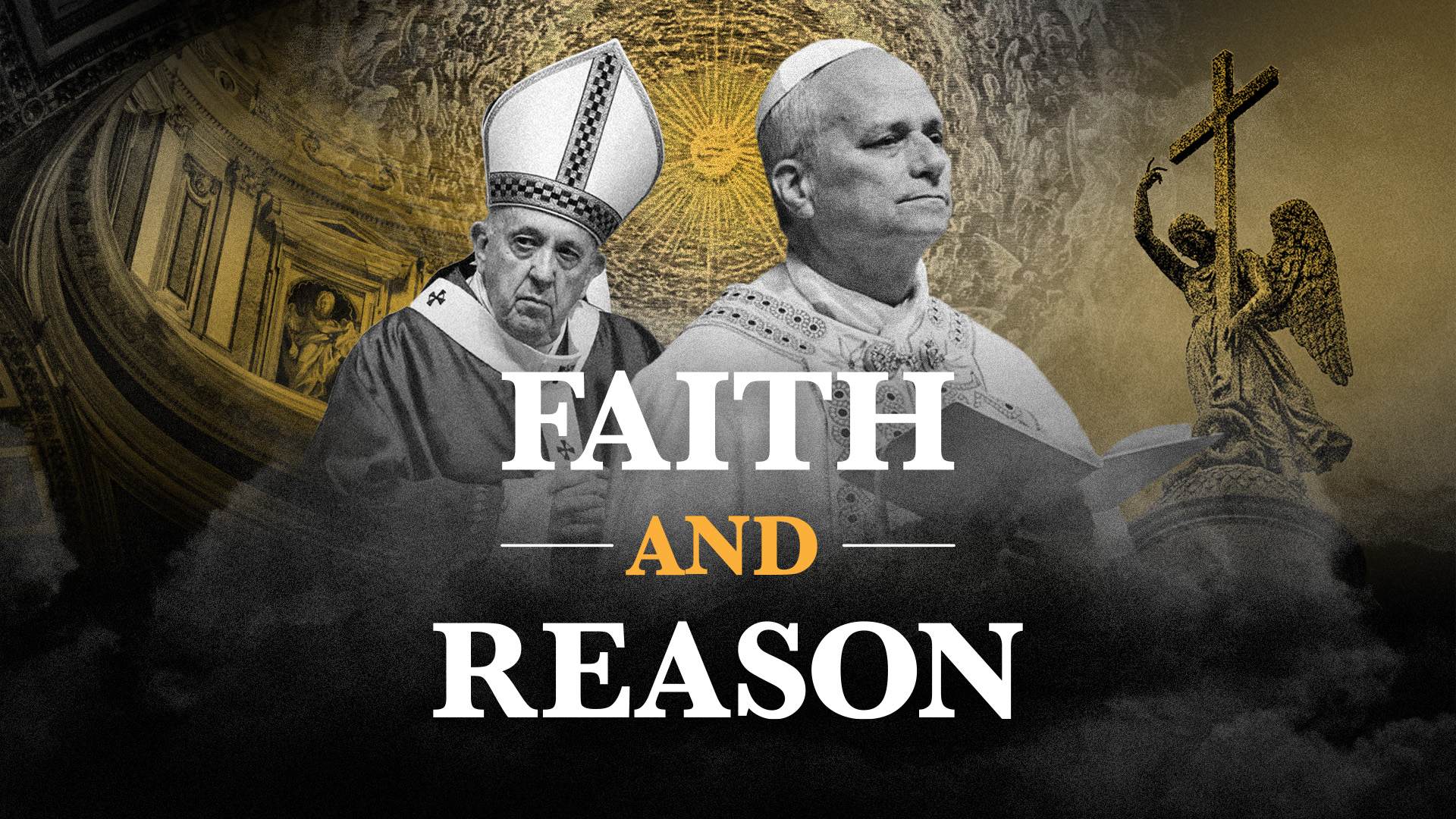
The incident gained attention in an episode of Faith and Reason, where hosts argued the phrasing signals a dangerous departure from long-standing doctrine. They traced the rhetoric back to Pope Francis’ influence, suggesting this is not an isolated slip but part of a larger pattern in how allies and appointees are discussed. The tone of those remarks matters because words from respected figures shape how the faithful understand doctrine and the sacraments.
Accounts cited by observers go further, claiming Francis himself considered Leo a “saint” before he even became pope and helped accelerate his rise through Church ranks. If true, that personal endorsement would explain why public speech around Leo has been unusually celebratory and assumptive. That kind of personal advocacy for clerical promotion is not new, but when it blends with language that sounds like canonization it changes the public perception of due process.
There are pastoral consequences to this shift. Parishioners look to their leaders for clear cues about belief and practice, and premature declarations risk sowing confusion about what the Church officially teaches. Clergy who repeat confident proclamations about a deceased pope’s heavenly status may unintentionally short-circuit mourning rituals and the communal duties of prayer for the dead. Pastoral clarity matters most when grief and devotion are raw and sincere.
On a theological level, the distinction between hope and certainty is crucial. Catholics are invited to hope for the salvation of the departed and to entrust souls to God, while also recognizing human limitation in declaring another’s final destiny. The Church’s processes exist precisely because human enthusiasm can outpace evidenced discernment. When leaders blur that line, they risk undermining the credibility of procedural safeguards designed to protect the faithful from error.
Institutionally, the episode has prompted talk about the norms governing public statements by high-ranking clerics and Church communicators. Should there be stricter guidance on language used after a pope’s death to avoid creating narratives that preempt formal processes? Some commentators argue for clearer internal discipline to prevent the appearance of improvised canonization. Others warn that heavy-handed controls could chill legitimate expressions of faith and respect.
What this moment also highlights is the power of influence inside ecclesial networks. If Francis did favor Leo and expedite his advancement, that shows how personal judgment and patronage shape the hierarchy. The trade-off is that rapid promotion can magnify the impact of a leader’s missteps, turning private assessments into public controversies. Observers say this episode exposes how quickly a single phrase can ripple through communities and alter long-standing expectations.
The wider conversation now revolves around restoring balance between heartfelt devotion and institutional rigor. Many within the Church call for a return to practices that emphasize prayer, patience, and the formal steps of investigation before any talk of sainthood gains traction. Others suggest renewed catechesis for the faithful to understand why canonical processes exist and how they protect the integrity of the Church’s witness.
Whatever follows, the episode raises serious questions about leadership, language, and the mechanisms that preserve doctrinal clarity. It is a reminder that words matter, especially when spoken by those in influential positions, and that the faithful deserve both pastoral warmth and careful, responsible guidance from their shepherds.
