
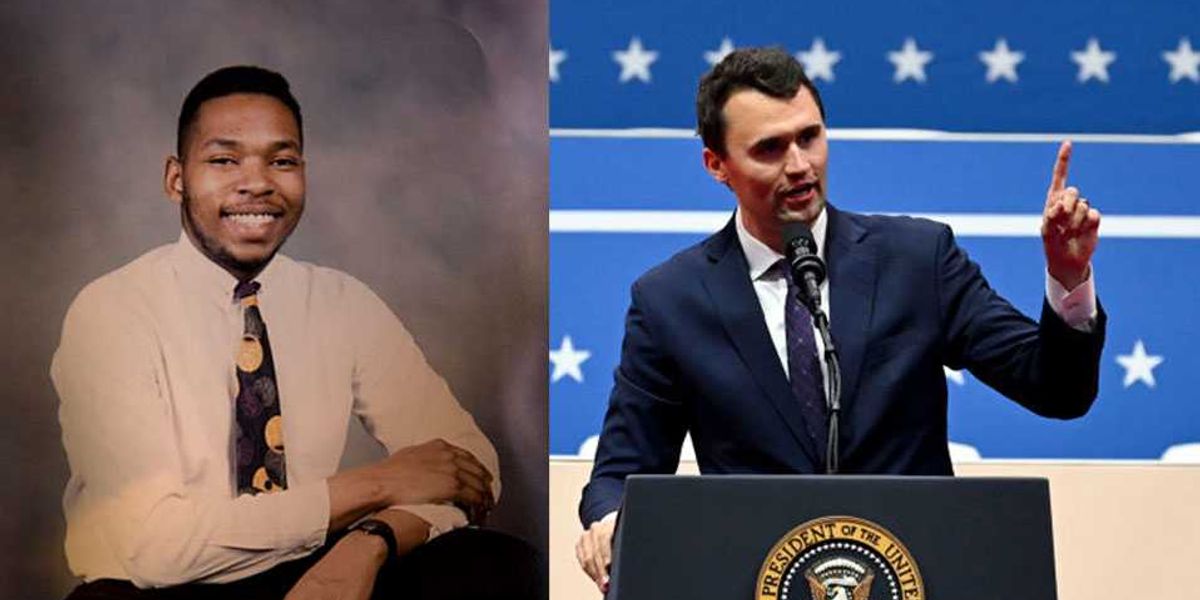
The piece traces how an organization that began as a civil-rights legal shop turned into a powerful labeler, arguing that those labels have real consequences — from high pay for executives and questionable funding flows to accusations that the group’s rhetoric helped inspire violence against conservatives and conservative institutions.
The Southern Poverty Law Center started in 1971 as a civil-rights legal outfit, but it grew into a fundraising powerhouse that critics say trades in alarm and vilification. For years, conservatives have warned that its blacklist approach stigmatizes mainstream organizations and individuals. That stigma, the argument goes, invites real-world danger for the people named.
Accusations against the organization include allegations of financial misconduct and secret flows to problematic groups, claims that have intensified scrutiny and political outrage. The Justice Department announced a grand jury indictment charging wire fraud, false statements to a bank, and conspiracy to conceal money laundering. Those legal developments have amplified long-standing conservative critiques about the SPLC’s tactics and motives.
One of the clearest examples conservatives point to is the Family Research Council episode in 2012, where a gunman attacked the FRC’s offices after naming it on an activist list. The attacker later said he picked the target from that list, intending to kill as many employees as possible. That episode hardened a conservative view that demonizing labels can fuel violence.
Conservatives argue the SPLC consistently equated socially conservative groups with violent racist organizations, treating disagreement as moral equivalence. Heidi Beirich, then-research director, famously said there was no difference between the FRC and the KKK in the eyes of the SPLC, a pronouncement that many say crossed a line from critique to demonization. That rhetoric, critics insist, has consequences beyond headlines.
‘The SPLC hate group label will almost undoubtedly make it into press reports about future events.’
The pattern repeated more recently with Turning Point USA and its founder, who faced similar branding in an SPLC report. The SPLC described a sweeping, conspiratorial vision of the right and alleged links to extreme elements, claims that TPUSA and allies reject as gross distortion. That labeling prompted sharp backlash and warnings from conservative lawmakers and activists.
- “Charlie Kirk’s TPUSA is a well-funded, hard-right organization with links to Southern Poverty Law Center-identified hard-right extremists and a tremendous amount of influence in conservative politics”;
- TPUSA under Kirk was “emblematic” of the American political right’s supposed embrace of “aggressive state and federal power to enforce a social order rooted in white supremacy” against a backdrop of “patriarchal Christian supremacy dedicated to eroding the value of inclusive democracy and public institutions”;
- TPUSA was advancing a “narrow vision” that fights for “white, male, Christian dominance in America” and results in the demonization of nonconforming men, women, and “nonbinary people”; and
- Kirk framed Christianity as superior and Christians as persecuted to justify TPUSA’s “extreme, authoritarian vision for the country that threatens the foundation of our democracy.”
Kirk knew full-well what the hate racket was up to, on May 25, 2025, “The SPLC has added Turning Point to their ridiculous ‘hate group’ list, right next to the KKK and neo-Nazis, a cheap smear from a washed-up org that’s been fleecing scared grandmas for decades.”
“Their game plan? Scare financial institutions into debanking us, pressure schools to cancel us, and demonize us so some unhinged lunatic feels justified targeting us,” continued Kirk. “Remember the Family Research Council? An SPLC-inspired gunman went after them. They’d love nothing more than to see TPUSA in the crosshairs.”
The political fallout has drawn congressional attention, with lawmakers asking whether labeling mainstream figures as extreme creates a permissive environment for violence. Rep. Chip Roy warned that branding mainstream leaders as existential threats can “serve as ideological permission slips for individuals already willing to commit political violence.” That testimony reflects a broader conservative demand for accountability and restraint.
Tony Perkins, speaking after the FRC shooting, accused the SPLC of creating a license to attack, saying, “Floyd Corkins was responsible for firing the shot yesterday that wounded one of our colleagues and our friend Leo Johnson,” and tying the attack to the culture of demonization. Conservatives say the repeated pattern of accusations, legal exposure, and no meaningful retractions shows a group that refuses to accept responsibility.
As legal probes advance, conservatives insist any reckoning should include repair for those harmed by reckless labels. Calls for restitution and transparency are growing louder among elected officials and affected organizations. For many on the right, the moment is about more than money; it’s about stopping a culture that turns disagreement into an invitation to violence.
https://x.com/charliekirk11/status/1926750880440693042
