
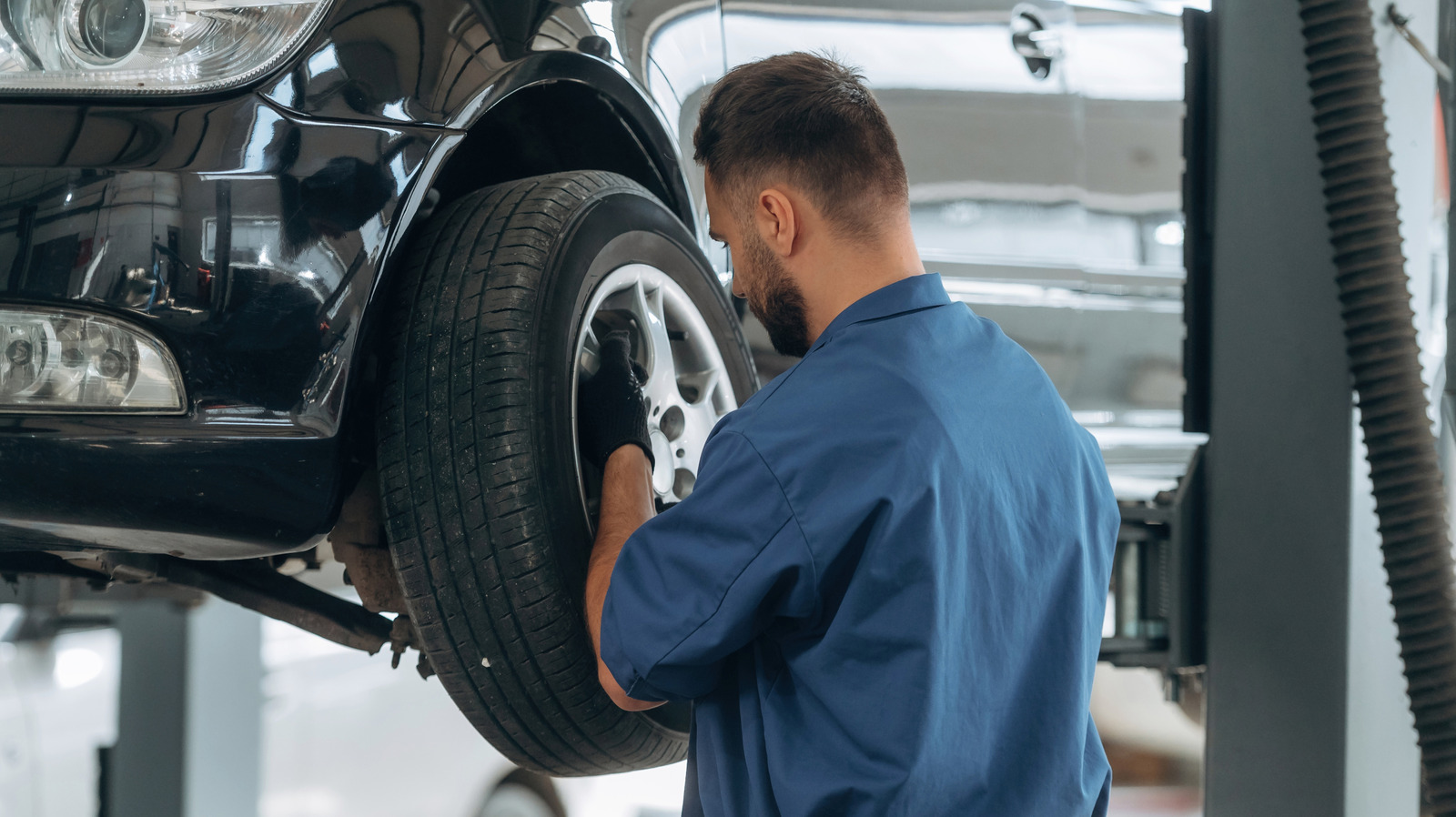
Tires do more than ride smooth and look good; they quietly steal or save fuel with every mile. This piece walks through why tires matter for gas mileage, what to look for when hunting fuel-efficient tire options, how maintenance shifts the numbers, and practical tips for choosing the right tire for your car. Expect clear, usable advice that helps you squeeze more miles per gallon without sacrificing safety.
Tires influence fuel economy through rolling resistance, mass, and the way they interact with the road. Rolling resistance is the energy lost as a tire deforms and recovers while rolling, and it directly translates to how hard your engine must work. Even small gains in efficiency at the tire level add up rapidly across thousands of miles, so paying attention here yields real savings at the pump.
Low rolling resistance is the single biggest technical trait to target when shopping for fuel-efficient tires. Manufacturers lower rolling resistance by using special rubber compounds, silica fillers, and internal constructions that reduce heat buildup and deformation. Those choices can shave a noticeable percentage off fuel usage, especially on highway driving where rolling losses dominate over acceleration losses.
Tire size and weight also affect mileage in straightforward ways. Narrower, lighter tires usually offer less rolling resistance than wide, heavy performance tires because they present a smaller contact area and require less energy to spin. Keep in mind that going too narrow or choosing an undersized tire for comfort and traction reasons can be a false economy, so match your selection to your vehicle and driving style.
Proper tire pressure is one of the easiest and most effective ways to keep fuel efficiency where it should be. Underinflation increases rolling resistance and accelerates wear, which hurts both economy and safety, while overinflation can reduce grip and change handling. Check pressures monthly and before long trips, and follow the vehicle manufacturer’s placard rather than the number on the tire sidewall.
Design trade-offs matter: the quietest, stickiest tire isn’t likely to be the most fuel friendly. Eco-focused tires often sacrifice a tiny amount of cornering grip or braking bite to gain efficiency, which is a reasonable swap for daily commuting and highway miles. If you live in a climate with frequent heavy rain or winter weather, prioritize wet traction or dedicated winter tires when needed and swap seasons to preserve both fuel economy and safety.
Several modern tires are engineered specifically for economy without being punishing on ride or handling. Look for models marketed as “low rolling resistance” or “eco” from reputable brands and check real-world tests and fuel-economy claims alongside durability and wet-grip ratings. Also consider tire warranties and treadwear ratings; a tire that saves fuel but wears out quickly can cost more overall and force more replacements.
Practical shopping tips: pick a tire that matches your vehicle’s load rating, don’t oversize for looks if economy is a priority, and compare rolling resistance and treadwear information when available. Maintain proper alignment, rotate tires regularly, and replace them in matched sets when possible to keep performance consistent. Small, steady attention to selection and maintenance will keep your car running cleaner and costing you less at the pump without sacrificing safety or comfort.
