
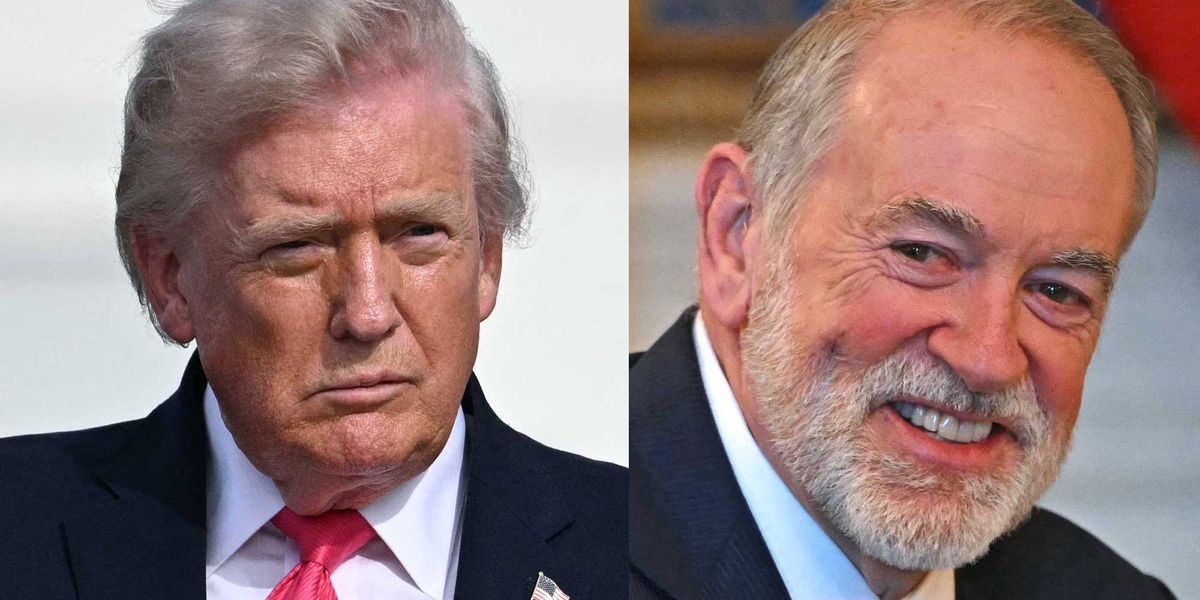
The Biden-era chaos over foreign policy is getting another fix-it moment as Mike Huckabee is reportedly tapped to join U.S. talks with Lebanon while President Trump pushes a ceasefire deadline extension, trying to keep a fragile peace afloat. This piece walks through what that means for the ceasefire, how Iran is responding, and where key U.S. players stand as negotiations wobble. Expect a clear Republican view: firm negotiating posture, readiness to act, and no tolerance for bad-faith actors.
Reports say Mike Huckabee has been asked to sit in on the next round of discussions involving Lebanon and the United States, a move that signals Washington wants seasoned conservative voices in the room. This comes as the ceasefire with Iran is under pressure, with both sides accusing the other of breaching agreed terms. Any appearance of U.S. resolve is being framed as necessary to keep hostile actors from testing the limits of patience.
Sources indicate Iran has not responded to the latest U.S. negotiation positions, a sign the talks could stall unless Tehran shows some seriousness. Vice President JD Vance was expected to travel to Pakistan to press the issue, but that trip is on hold for now as Washington recalibrates. Pausing travel and adding experienced negotiators like Huckabee suggests the administration wants leverage and clarity, not rushed diplomacy that yields nothing.
The president made a public move to extend the ceasefire window, saying the United States will hold fire to give a single, actionable proposal a chance to emerge. He spelled out the temporary posture in sharp terms: “I have therefore directed our Military to continue the Blockade and, in all other respects, remain ready and able, and will therefore extend the Ceasefire until such time as their proposal is submitted, and discussions are concluded, one way or the other,” and ordered commanders to stand prepared. That language reads as a patient threat: we will wait, but we are not helpless or indecisive.
Iranian officials reportedly told mediators they had no plans to show up in Pakistan for talks, signaling a continued preference for posturing over negotiation. At the same time, observers noted Vice President Vance’s motorcade at the White House, underlining that U.S. officials are moving pieces around to be ready for any diplomatic opening. This mix of signaling and readiness is the calculation of a policy team that prefers pressure and preparation to appeasement.
From a Republican standpoint the addition of Huckabee is smart politics and sensible strategy, bringing a credible Conservative voice into discussions that will need both toughness and an ability to connect with allied players in the region. The U.S. cannot reward bad-faith actors and must ensure Lebanon and other partners see a clear path to security, not endless negotiations that reward delay. Huckabee’s involvement signals that America will not only talk but will also hold a line if talks collapse.
On the tougher rhetoric side, the president warned Iran on a radio show that the nation would face “problems like they’ve never seen before” unless it accepted a workable peace deal, a message intended to remind Tehran of the consequences of dragging its feet. He also said he believed the war on Iran was “very close to being over,” language meant to convey confidence that current pressure is working and that any misstep by Iran will be met with coordinated response. Those quotes show the administration mixing public pressure with covert leverage to shape Tehran’s next move.
The situation remains fluid: negotiations involving Lebanon, arrangements with Pakistan, and direct talks with Tehran could shift quickly if Iran returns to the table with a unified plan. In the meantime, the U.S. posture is clear—extend the ceasefire to allow diplomacy a real shot while keeping military and economic options intact if Iran chooses escalation. That mix of patience and preparedness reflects a Republican preference for strong deterrence backed by credible diplomatic offers.
