
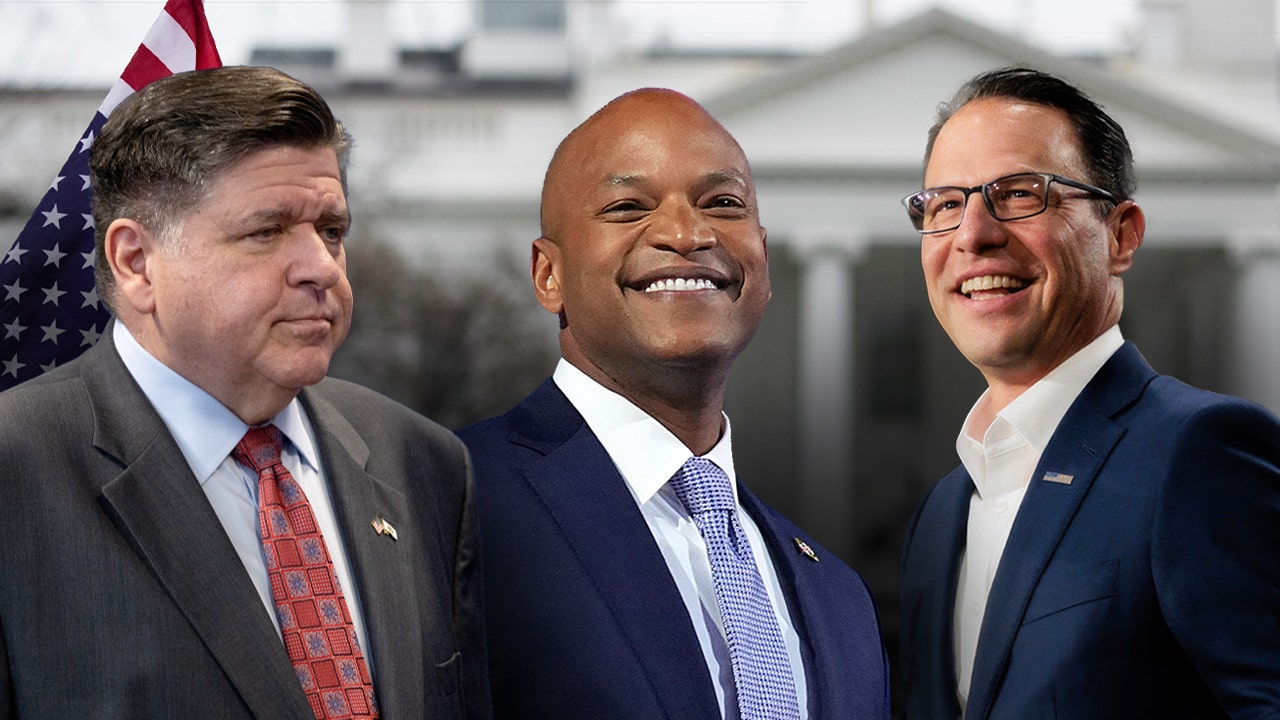
The midterm season is shaping up to be more than a congressional fight; governors’ races in key states will help set the tone for 2028. Voters in Illinois, Maryland and Pennsylvania are choosing leaders whose policies affect taxes, schools and energy costs for years. This piece looks at how those governors have governed, and why their records deserve scrutiny ahead of the larger national picture.
Governors run the executive branch of their states and make daily choices that ripple through people’s lives, from classroom budgets to business rules and utility bills. State agencies carry out policy, and the governor appoints and steers those agencies. That translates to real-world outcomes for families and employers, not just campaign talking points.
All three Democratic incumbents in focus are positioning themselves beyond their states: JB Pritzker in Illinois, Wes Moore in Maryland and Josh Shapiro in Pennsylvania are seeking re-election while building profiles that could matter in 2028. The Democratic talent pool is increasingly built from governors rather than Capitol Hill figures, so these races are more than local contests. Voters should judge whether their stewardship has improved life at home.
TOP REPUBLICAN WITH ‘ARMY’ OF SUPPORTERS MAKES MAJOR CAMPAIGN ANNOUNCEMENT AS SHAPIRO LAUNCHES RE-ELECT
If you want to test a governing theory, these three states offer a tidy case study: high taxes, heavy regulations and a habit of siding with powerful interest groups over ordinary families. California’s Gavin Newsom looms as the national example, but he is not on the ballot this cycle. That makes Illinois, Maryland and Pennsylvania a closer live look at how Democratic governors govern when voters can respond at the ballot box.
Economic policy in these states has been costly and complex, and the math shows it. Illinois carries one of the nation’s most burdensome regulatory codes, Maryland ranks poorly for tax competitiveness, and Pennsylvania lags on childcare freedom, with consequences for working families. People and businesses respond to these incentives, and migration patterns show folks moving toward lower-tax, lower-regulation states.
Education policy is another broken promise for many families. All three governors have bowed to teachers’ unions instead of expanding school choice, and the practical result has been fewer opportunities for low-income students. Pritzker’s early budget moves targeted Illinois’ only school choice program and the state let it expire in 2023, stripping nearly 10,000 low-income children of scholarships. Shapiro campaigned in favor of choice but later vetoed a $100 million scholarship program he once supported, and Moore pushed to cut Maryland’s BOOST Scholarship funding in 2023.
THE DEMOCRAT JAMES CARVILLE THINKS IS WORTH WATCHING IN 2028 WILL SURPRISE YOU
Energy policy adds another layer of strain on family budgets. Aggressive green mandates and complex permitting have driven power prices up in these states, even where energy resources are abundant. Illinois saw electricity prices jump about 15 percent in a single year, Maryland households have faced higher bills since 2020, and Pennsylvania residents have endured a 46 percent rise in rates since 2018, leaving the average household paying roughly $210 more each year than the national average.
These trends are not confined to state borders. Governors are becoming the proving ground for national leadership, and names like Newsom, Gretchen Whitmer, Andy Beshear, Pritzker, Shapiro and Moore are already in the 2028 conversation. If the next presidential cycle is populated by sitting or former governors, the policies enacted now will matter more than pundit speculation because they reveal priorities and practical effects.
In the months ahead, each incumbent will push a campaign narrative that their state is better off under their watch, and they will make a case to voters and donors. Those claims deserve a close look against measurable outcomes like tax burdens, school access and energy costs. Voters in these states will not only decide who runs their government for the next four years, they will also send a signal about the governing model Democrats want to bring to the national stage.
