
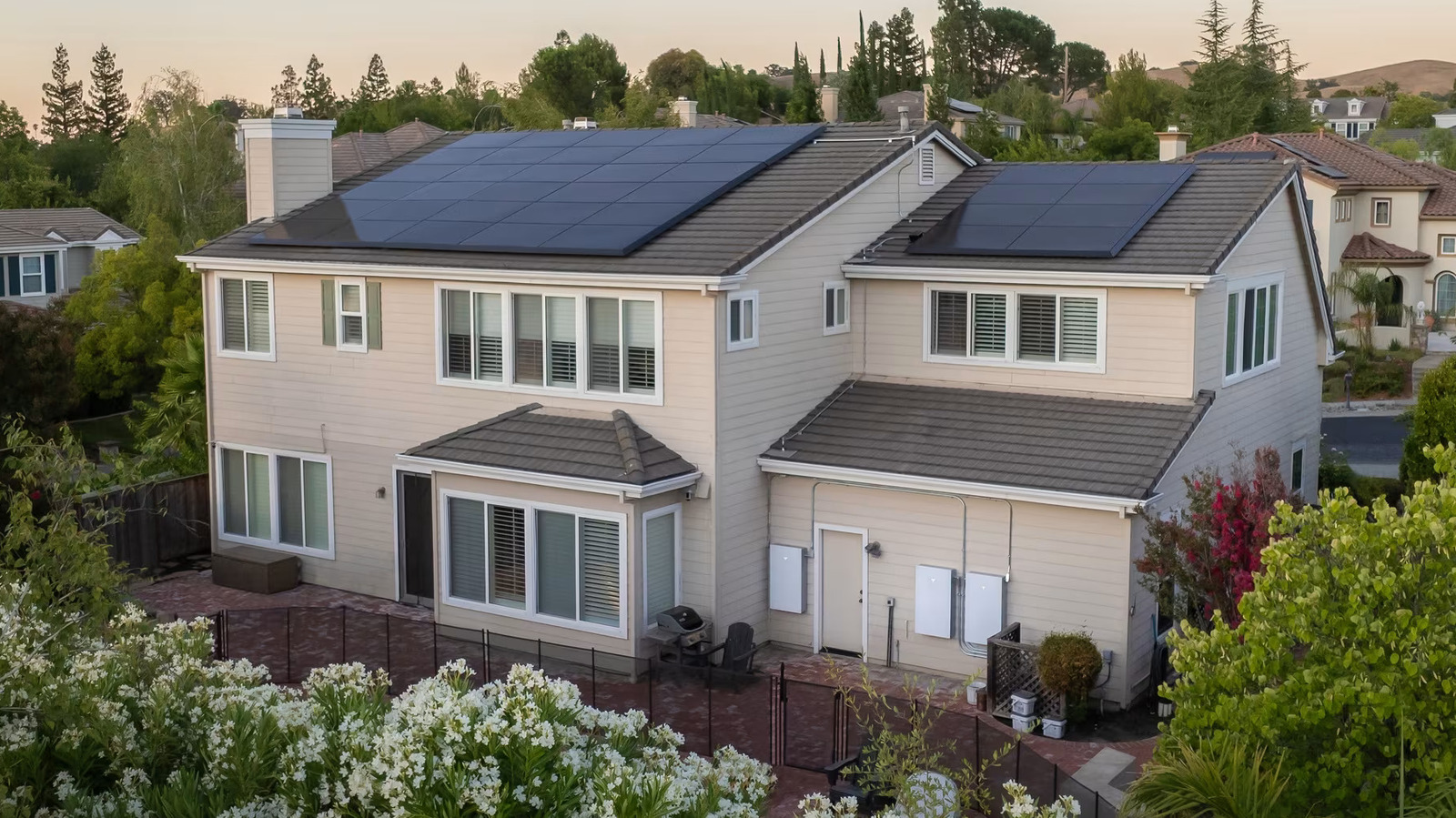
Tesla is not just a car company anymore; it builds a home energy system around Powerwall batteries and its own solar panels to give homeowners a path toward operating independently from the grid. This article walks through how those pieces fit together, what they do, and what to think about if you’re considering a shift to a self-powered home. Expect clear, practical points about reliability, costs, and real-world use.
Tesla’s energy lineup centers on Powerwall, a residential battery designed for backup and energy shifting, paired with rooftop solar panels or solar roof tiles that capture sunlight. Together they form a coordinated ecosystem that stores daytime solar energy for use at night or during outages. The convenience comes from tight hardware and software integration so the system behaves as a single unit rather than separate parts.
Powerwall stores excess electricity from solar arrays and discharges it when the sun sets or the grid goes down, offering silent, instant backup. The unit includes an inverter and management software so it can switch modes automatically and prioritize needs like backup or time-of-use savings. It also tracks charge levels and usage through an app, which makes everyday energy behavior visible and adjustable.
Tesla’s solar panels are designed to be visually streamlined and are sold alongside Powerwall as part of a packaged solution, while their solar roof tiles offer a more integrated aesthetic for full roof replacements. Panel performance depends on orientation, shading, and local sunlight, but pairing panels with a battery extends usable energy beyond daylight hours. That combination can transform a home’s relationship to the grid from always-on to on-demand.
When sized correctly, a Powerwall-plus-solar pairing can handle essential circuits during an outage and reduce grid consumption during expensive peak hours. Sizing means matching generation and storage to your household’s daily draw and backup priorities, not guessing based on headline numbers. Professional assessments matter because undersized systems leave you exposed and oversized systems add unnecessary cost.
One clear benefit is resilience: homes with a Powerwall can keep lights, refrigeration, communications, and medical equipment running through blackouts. Financial upside appears as energy bill smoothing when batteries charge during off-peak rates or store free solar for evening use. Environmental benefit follows naturally when solar displaces fossil-fueled grid electricity, though the scale depends on local grid mix and how the system is used.
There are trade-offs to consider. Upfront installation and hardware costs remain significant and vary by roof condition, panel count, and local labor rates. Batteries have finite lifespans and capacity that slowly declines, so understanding warranty terms, expected cycles, and replacement economics is important. Permits, inspections, and interconnection rules can add time and complexity to any project.
Tesla’s edge is its brand recognition and seamless software updates that refine energy management over time, but competition is healthy and growing. Other manufacturers offer different battery chemistries, pricing, and service models that might fit certain homes better. Comparison shopping should include service networks, warranty coverage, and how easily the system can scale or integrate with existing equipment like generators or EV chargers.
For homeowners thinking about a move to off-grid capability, start with a clear list of priorities: how many hours of backup you want, which circuits matter most, and whether reducing bills or maximizing resilience is the main goal. Consider a staged approach where solar is added first, then battery capacity grows as needs and budgets evolve. Also verify contractor credentials and insist on realistic performance modeling rather than glossy promises.
Real-world adoption often looks incremental: neighbors begin with panels, then add a single Powerwall, and later expand as savings and peace of mind become tangible. That pattern reflects a sensible balance between ambition and prudence, where technology provides options rather than forcing an all-or-nothing decision. For many households, the Tesla ecosystem is a compelling path to greater energy control without giving up the conveniences of modern living.
