
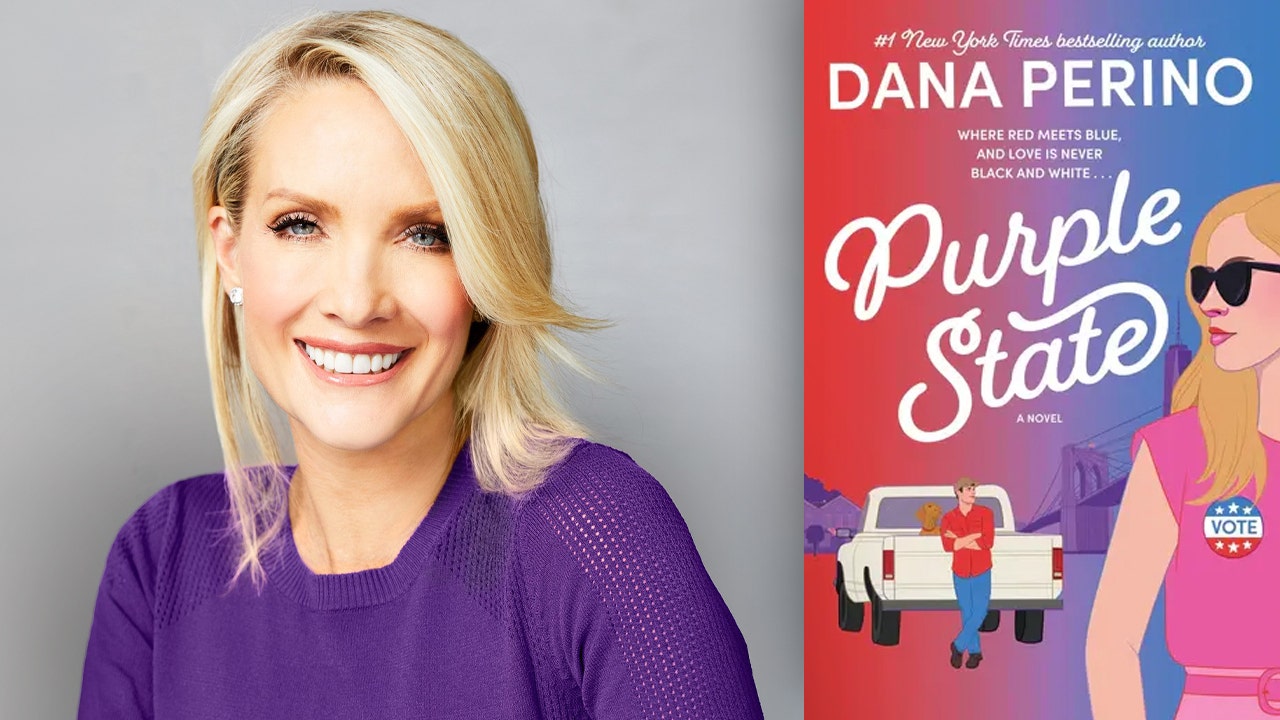
I’ll show how a mentoring book evolved into a novel, introduce three women navigating a quarter-life turning point, explain how principles get tested in real life, and place their choices inside a symbolic Midwestern setting that stands for common-sense values.
I wrote “Purple State” as a companion to “Everything Will Be Okay”, turning advice into lived experience through three friends who face the messy work of growing up. The novel follows Dot, Mary and Harper as they wrestle with ambition, fear and the cost of decisions over a single, consequential year. It’s a story about what happens when principles meet pressure.
These characters are not caricatures. Dot leaves the familiar pull of New York for a relationship and a job path that forces her to trust others and herself at the same time. Mary, who prefers caution and steady plans, must consider whether playing it safe is actually holding her back. Harper, bright but reluctant, discovers that toughness without openness can become loneliness.
The book takes the lessons I offered in nonfiction and dramatizes them: values matter because they guide choices when outcomes are uncertain. I wanted readers to watch what it costs to live by a principle, not just read a platitude about it. The consequences are small, stubborn, and real — and that’s where character shows up.
The trio’s year unfolds away from Manhattan, in Wisconsin, a literal purple state that doubles as a metaphor for middle ground. It’s the kind of place where people disagree without losing sight of neighbors, and where compromise is not a dirty word. I place the friends inside a local political campaign to amplify how personal choices intersect with public life, without turning the story into a partisan lecture.
Politics in the novel is not about slogans but about service and community. The campaign challenges each woman to weigh ambition against responsibility and to ask who they will stand with when the easy path tempts them. Those choices are familiar to anyone trying to build a life that matters more than an image or a moment.
At the heart of the story is the idea that love and loyalty are active practices, not hashtags or talking points. When the friends risk for relationships and careers, they discover that protecting dignity and keeping faith with others often looks a lot like courage. That message lands loudly in a culture that sometimes values cynicism over commitment.
Readers who found comfort in “Everything Will Be Okay” will see the same steady hand in “Purple State”, but in a different key. The novel asks readers to feel the work — the awkward conversations, the compromises, the failures that teach more than success ever does. It’s a reminder that resilience is built in real time by doing the small things right.
This is a story that trusts ordinary people to do extraordinary things by sticking to principles and choosing connection over convenience. Character trumps circumstance when the spotlight is off, and that’s a conservative backbone worth defending. The stakes in everyday decisions often matter more than the noise of headlines.
Living in a community that sits between extremes makes room for repair, for listening, and for a kind of practical patriotism rooted in shared life. Dot, Mary and Harper learn that careers and hearts both need tending, and that the safest choice isn’t always the wisest. If you’re tired of division and want a story that champions responsibility, this book aims to remind you that common ground still exists.
