
This piece describes waking up and living life measured in the gap between sirens, the slow bleed of normal into abnormal, and the private calculations people make when every minute and a half can change everything. It tracks the snap reactions, the return to routine, and the quiet cost of a life structured around interruption. It speaks to resilience and to the responsibility of leadership to protect civilians from regimes that hide while others suffer. It keeps close to the small, human moments that reveal the real price of conflict.
There is a version of my life that exists between sirens, a version measured in the short, urgent arithmetic of safety. In my city, a siren gives you about a minute and a half to get to shelter, and that number becomes a rule you carry like a watch. You do not always think about it, but it sits under everything you do, shaping choices and even small pleasures.
You learn to chart distance in seconds instead of meters and to count the people around you in terms of how fast you can help them. Who can move on their own, who needs a hand, who will have to wait a beat—those decisions happen before your brain finishes forming the sentence. That speed trains the body to react first and wonder later.
When a siren goes off, you gather what you can and move. The awareness arrives afterward, a second-hand clarity that feels out of sync with your feet. Then, almost as fast, life resumes: an unfinished email, a chat left hanging, the small domestic rhythms that insist on continuity even when the world interrupts.
Sometimes you say “We’re OK,” because saying it both comforts and short-circuits the need for explanation. You laugh at absurd things to prove to yourself you can, because laughter is a small rebellion against the weight of fear. From a distance people call it resilience, and there is truth in that, but the word hides the slow erosion of plans and time.
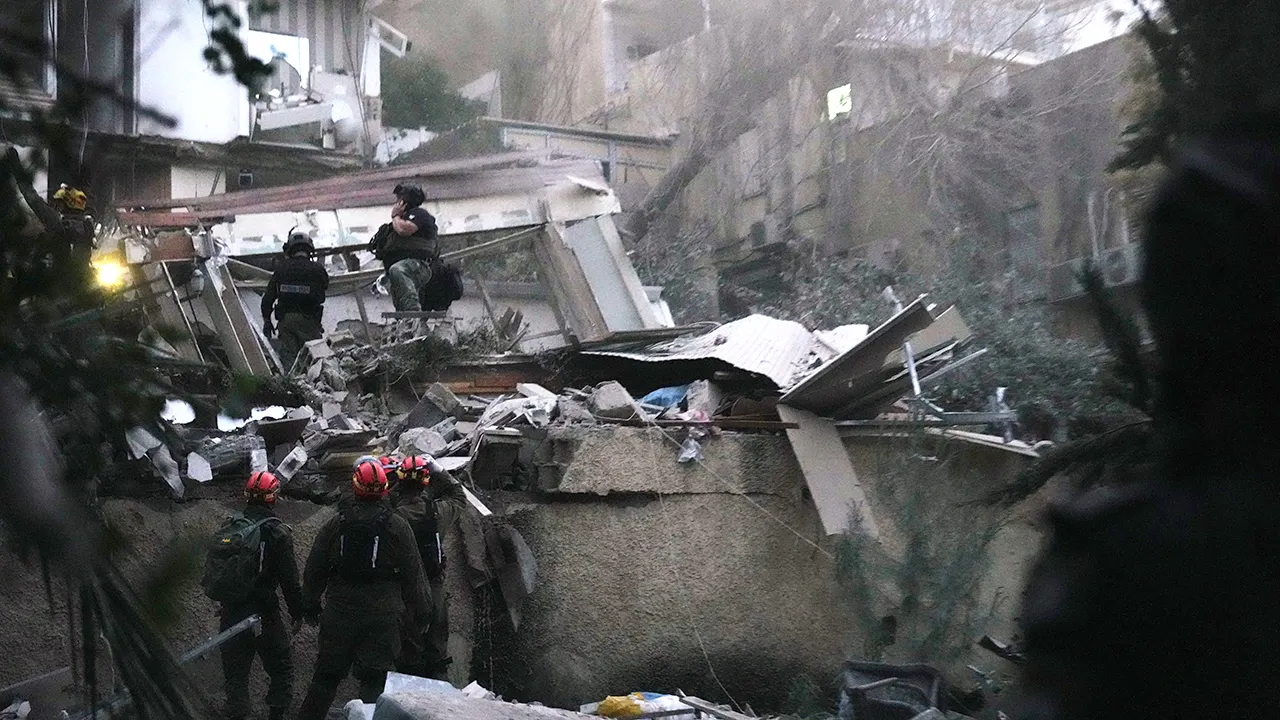
There are details that make it feel closer than a headline: the smell of smoke coming through a window, the shard of metal in a neighbor’s yard, a child’s ball near a fragment of wreckage. You stand there and try to fit that image into the logic of a normal morning, and it should not fit. It keeps intruding into the ordinary and claiming space it has no right to take.
Those images are surrounded by language that flattens them into strategy papers and talking points, words like deterrence and escalation that feel sterile compared with the habit of counting steps to the nearest shelter. That disconnect matters. Wars are not abstractions for the people who build their lives around the sound that interrupts them.
Politicians can debate costs and balance sheets, but the immediate duty is practical: protect citizens and keep shelters available and honest. It is infuriating to see regimes hide in bunkers while civilians are left without adequate protection. When leadership fails at that basic level, it is both a moral and a security failure, and it deserves blunt criticism.
Even so, people find ways to continue. Cafes open, shops keep their doors, friends meet and plan as if time can be counted without contingencies. That continuity is powerful, but it can also mask a deeper problem: normalization. When daily life adapts to interruption, the abnormal starts to look acceptable, and that is the hard part to name.
For my generation, life should feel like forward motion—years folding into careers and family, steady progress toward something built. Instead, education and plans are constantly broken into fragments, semesters interrupted, milestones delayed. The reality of starting again, and again, is exhausting in a way that doesn’t always show on the surface.
Hope stubbornly persists after every pause in escalation; people hold on to the belief that this time will be different, that the next quiet will be a true lasting quiet. That hope exists beside a quieter, more pragmatic understanding that disruptions can come back. You learn to live with both, and that duality is a heavy burden.
There is another life, a simple uninterrupted one, where plans are measured in years and not 90 seconds. It is not exotic; it’s the ordinary life everyone expects and deserves. That life still exists somewhere else, and the gap between it and the one lived beneath sirens is, literally, about a minute and a half.
