
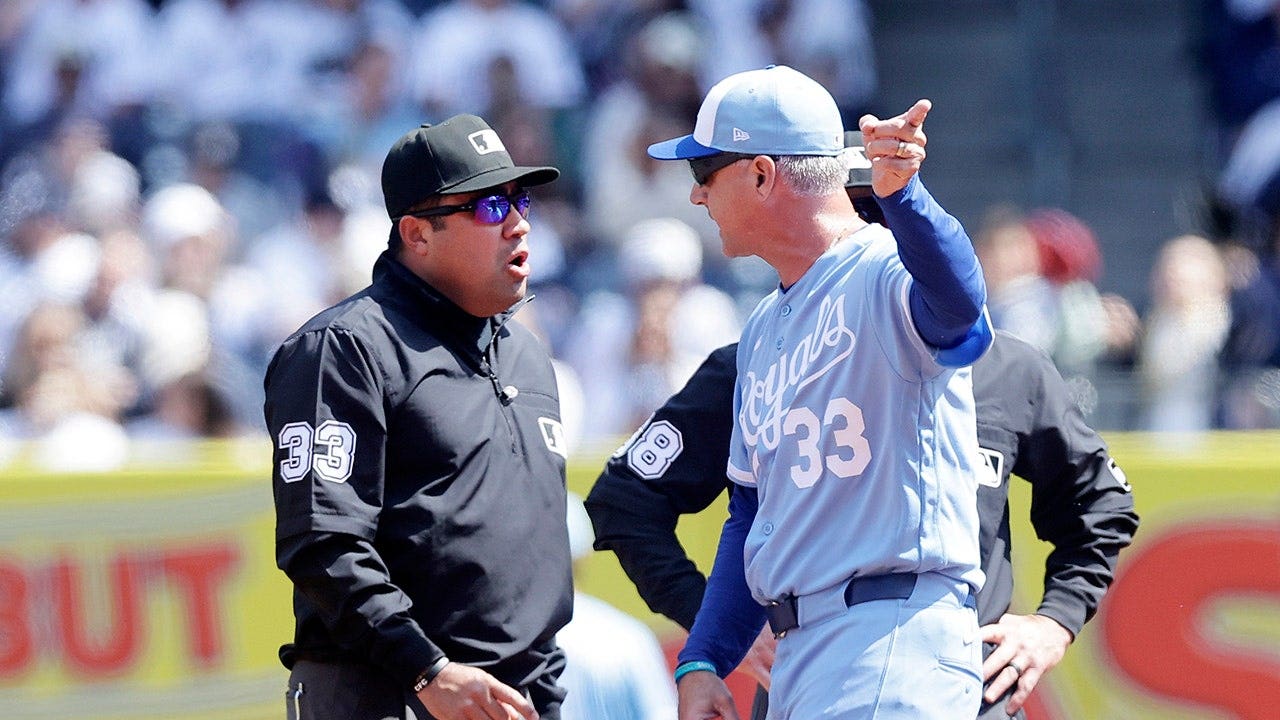
Kansas City Royals manager Matt Quatraro was ejected before his team threw a single pitch in a matchup with the New York Yankees after a dispute with the umpires during the first inning. The scene unfolded quickly, drawing attention from fans, broadcasters, and both dugouts as the bench cleared into questions and frustration. This brief piece walks through what happened, why manager ejections still matter, and what it means for the team in the short term.
The call that triggered the confrontation came early, with tensions high as both clubs tried to set the tone for the game. Quatraro left the dugout and approached the umpires to challenge what he viewed as an incorrect decision. His argument escalated until the crew chief made the rare move of ejecting a manager before the first pitch was thrown.
Ejections like this are dramatic because they happen before the flow of the contest even begins. They interrupt the usual pregame rhythm and signal a strong disagreement between a club and the officials. For fans watching, it turns a routine first inning into an event that gets replayed on highlights and talked about well after the game.
From a procedural perspective, the team’s bench coach or acting skipper takes over immediately, handling mound visits, lineup decisions and any in-game adjustments. That shift is seamless in the rulebook but visible in practice, since the leadership voice in the dugout changes midstream. Players must adapt on the fly, and sometimes that shift affects how aggressively a team plays in the early innings.
There’s also an emotional side to manager ejections that cannot be measured in statistics. A fiery exit can rally a clubhouse or it can distract a team, depending on how players respond. Coaches often weigh that risk when deciding whether to press an argument, knowing that sometimes standing up for a player is as much about leadership as it is about the call itself.
For the Royals, Quatraro’s absence from the dugout for the opening plays removed a familiar presence who calls timeout, makes quick substitutions and communicates strategy. The crew in the dugout adjusted, but the broadcast chatter and social media buzz made it clear that this was the moment most viewers would remember from a game many had hoped would be defined by pitching matchups and late inning drama. Umpires have the authority to eject participants and they do so when tensions cross a line the crew believes affects control of the game.
Historically, manager ejections have produced memorable scenes and occasional controversies, and they remain one of the few in-game tools managers use to defend players at public expense. Whether the call that led to Quatraro’s ejection stands up under replay or postgame scrutiny often becomes part of the narrative, but the immediate consequence is simply the manager no longer being at the helm for that portion of the contest. That reality reshapes how a team executes early game plans.
Broadcast reactions emphasized the abruptness and the optics of the moment, with commentators dissecting whether the argument was worth the result. Fans in the stands and viewers at home debated the justification, while both teams moved on to focus on the baseball at hand. The game itself continued once the umpires restored order, but the incident left a clear footprint on the evening’s storyline.
When the final box score appears, an early ejection like this will be an odd footnote alongside hits and innings pitched. It will be reviewed in headlines and highlight packages, and maybe it will influence how future confrontations are handled by managers across the league. For now the Royals regrouped under a different voice on the bench and the matchup against the New York Yankees went forward with one less familiar face pacing the dugout.
