
This piece takes a hard look at Virginia’s redistricting fight, the Democratic push for a lopsided map, and the unlikely role former President Barack Obama is playing as the face of a plan many see as an outright power grab. It argues from a Republican viewpoint that the measure is a blatant attempt to sideline conservative voters, questions why Democrats hide the actual map, and digs into why Obama is the chosen closer for this effort.
Virginia voters are being asked to accept a new map that hands Democrats an almost complete sweep of the state’s congressional seats. Republicans see this as disenfranchisement, plain and simple: a 10-1 split that ignores the reality of Virginia’s political balance. That kind of engineered advantage strips voters of real choice and hands power to party operatives instead of constituents.
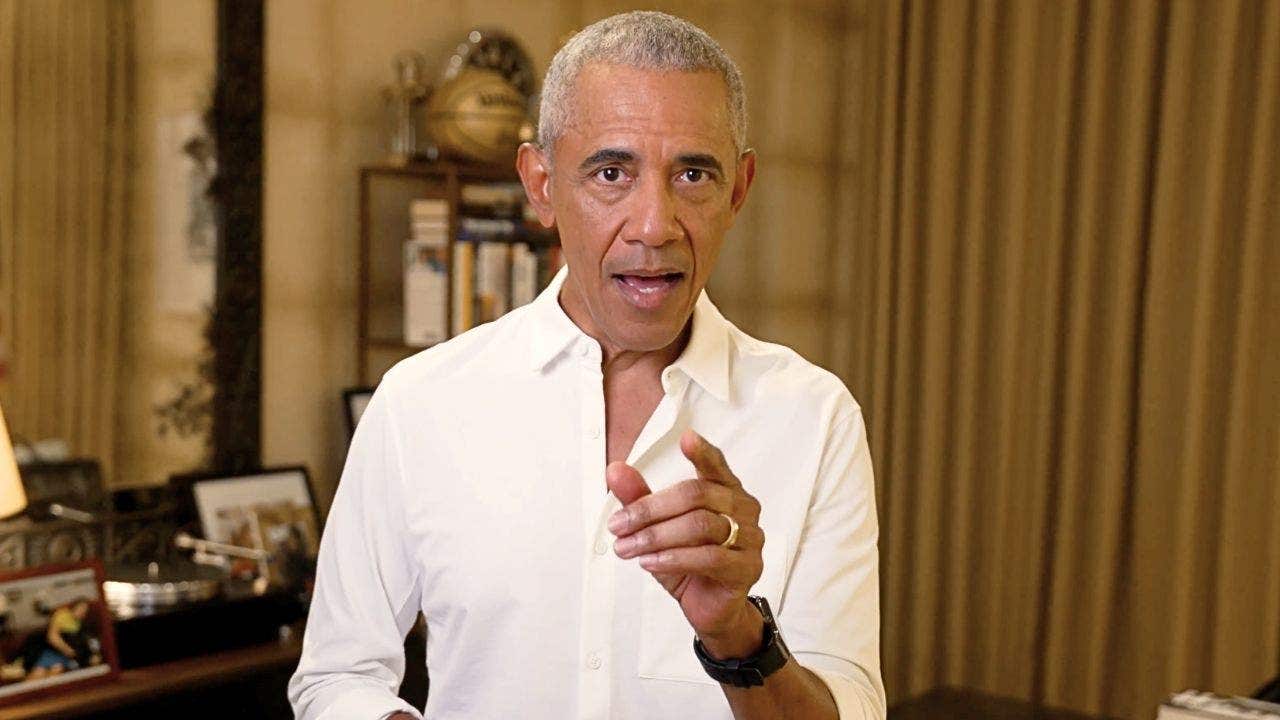
Into that fray steps Barack Obama, suddenly everywhere in ads and on the stump, pitching this plan as fair and temporary. His calm, familiar voice is meant to soothe and persuade, but to many conservatives it reads like stagecraft designed to paper over a raw power grab. If the plan truly was about fairness, Democrats would be showing the map and defending the choice openly.
Instead, Democrats keep the details under wraps and rely on star power to sell the story. That’s why Obama matters to them: he can deliver a comfort zone for voters who might otherwise be skeptical. For Republicans, it’s proof the party is trying to hide the mechanics of what they’re doing, not explain them.
Obama’s political instincts make him a natural surrogate for a nationalized pitch, especially when hand-holding on a controversial state issue is needed. But his presence also raises old questions about messaging and truthfulness that critics argue have followed him for years. From the infamous line “If You Like Your Doctor, You Can Keep Your Doctor” to other high-profile missteps, opponents say these examples show a pattern of selling big ideas as comforting promises that didn’t hold up.
There are other headlines Democrats would rather not revisit, which is why conservative commentators keep bringing them up. Claims about Benghazi, the Syrian red line, and the controversies around 2016 have become shorthand for a broader skepticism about how Democrats handle accountability. For many Republicans, those episodes feed a deep mistrust of the current redistricting push and the people leading it.
Tulsi Gabbard has also been cited by critics as saying Obama played a role in the 2016 scramble to investigate and damage Donald Trump, and that allegation is folded into a larger narrative about political weaponization. Whether or not every claim is airtight, the cumulative effect is to paint a picture of a political class willing to bend rules to secure outcomes. Voters watching from outside the circus see a lot of old tactics repackaged for a new moment.
What’s striking in Virginia is how Democrats refuse to put the actual map front and center in their messaging. That omission speaks loudly to those who worry about the integrity of the process: show the map, show the math, and defend it honestly. When you’re hiding the details, the natural conclusion is that the details are embarrassing.
Democrats had options that would have looked less extreme and been easier to defend, yet they chose a much more aggressive route. The overreach suggests confidence that institutional advantages will protect them, not a genuine belief that the public will embrace their plan. That’s why conservatives argue this is not governance, it’s gaming the system.
In the end, Virginia’s vote will test whether a heavily promoted, closely guarded redistricting plan backed by a high-profile Democratic figure can overcome a wave of skepticism. Republicans hope voters will see through the celebrity ads and demand transparency and fairness in how congressional lines are drawn. For now, the debate is raw, partisan, and very much up for grabs, with national implications if this model spreads to other states.
