
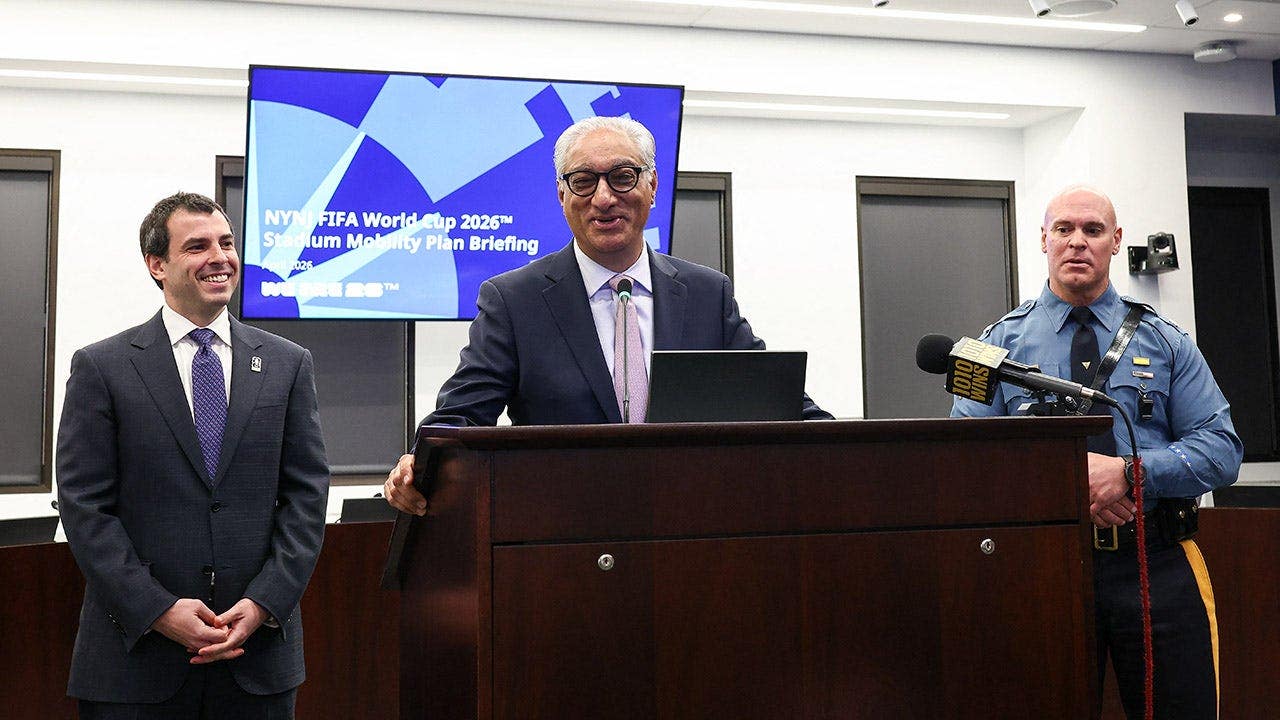
The FIFA New York New Jersey Host Committee has given its support to NJ Transit’s plan for moving fans to MetLife Stadium during the World Cup, even though the proposed round-trip transportation price can run as high as $150. That endorsement came amid sharp exchanges among officials, with critiques focused on cost, equity and practical capacity for handling massive crowds. The debate highlights a broader tension between staging a global event smoothly and keeping access affordable for local residents.
At the center of the argument is the $150 travel option that would bundle rail and shuttle service for the trip to the stadium. Supporters argue the package is designed to centralize and streamline crowd movement on event days, converting a chaotic commute into a coordinated flow that reduces safety risks. Opponents point out that the price point effectively locks out many fans who rely on more affordable transportation to attend games and local events.
Officials pressed on logistics and safety, emphasizing the need to avoid congested roads and overwhelmed stations that could pose real public safety problems. Planners say tightly scheduled, prepaid services reduce the odds of last-minute decisions that create bottlenecks and emergency situations. Critics counter that the same schedule-driven approach can limit flexibility for families, shift workers and lower-income supporters who cannot commit to prepaid, fixed-time travel.
Equity was a recurring concern during public briefings and internal meetings, with several voices urging subsidies or alternative fare structures. Local leaders asked for options that would allow commuters to pay less or to purchase single-leg trips rather than full-priced round trips. The Host Committee’s backing did not come with a detailed mitigation plan for these worries, which amplified tension among stakeholders who want major events to leave positive local legacies.
Demand forecasting and capacity planning factored heavily into the discussion, as transit managers laid out worst-case and best-case scenarios for passenger surges. NJ Transit officials presented simulations showing how concentrated arrivals and departures could strain platforms and buses without strict timing and ticketing controls. Observers noted that imposing a premium fare might be a blunt instrument for managing demand but could be effective at deterring last-minute travel that overwhelms the system.
There was lively debate about alternatives that could soften the blow for working families and regular commuters, including shuttle expansions, neighborhood pickup points and discounted passes for local residents. Some planners proposed staggered arrival windows tied to game times to spread peak demand, while community advocates pushed for vouchers or targeted discounts for lower-income neighborhoods. None of these proposals were finalized when the Host Committee signaled its overall support, leaving follow-up work on concrete concessions unresolved.
Transparency and communication were also flagged as critical if the plan moves forward, since confusion about fares and schedules could create public backlash and operational headaches. Transit agencies must provide clear, accessible information on purchase options, refund policies and contingency plans for service disruptions. Community groups insisted that outreach be proactive and multilingual so residents who are less online or who speak other languages do not miss critical updates.
Funding and revenue questions complicated the mix, as higher fares could boost event-related revenue while also raising equity red flags that officials are reluctant to ignore. Some policymakers suggested blending private sponsorships and public subsidies to cover the shortfall for discounted tickets without weakening the coordinated traffic control model. The Host Committee’s endorsement suggests a preference for a centralized approach, but how that approach will be balanced with fairness measures remains unsettled and will shape public reaction in the months ahead.
