
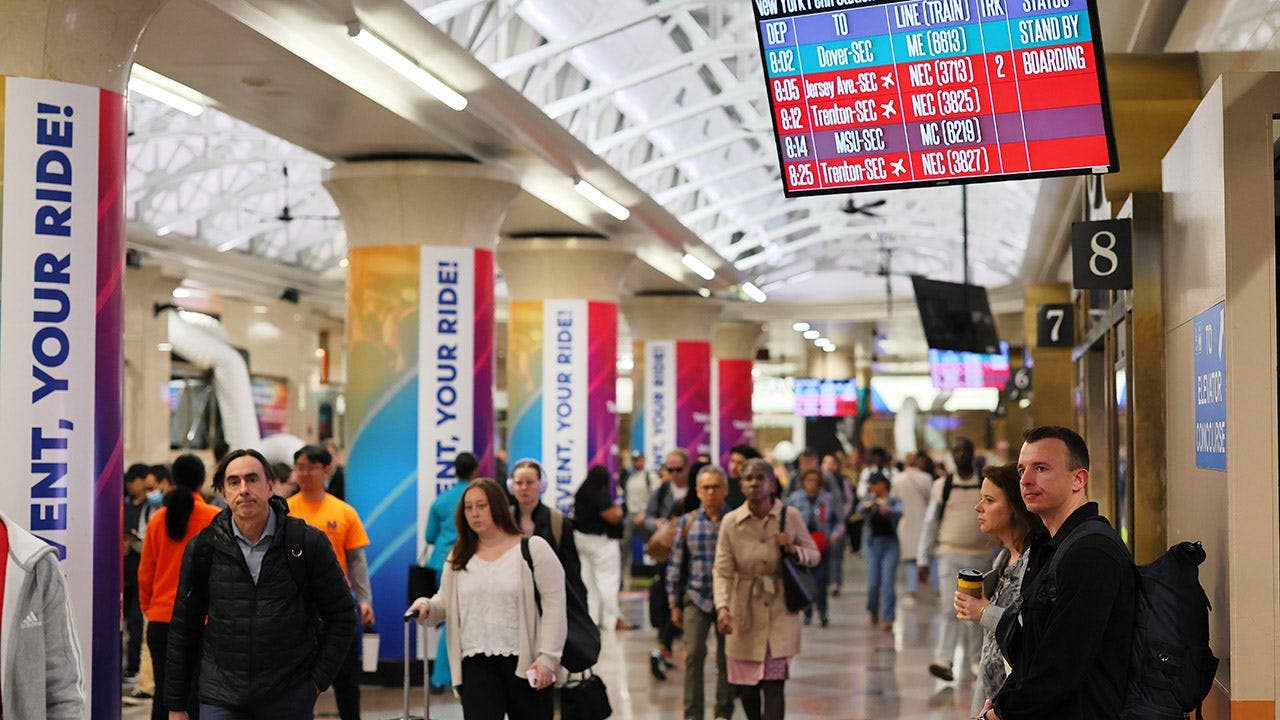
The FIFA World Cup’s chief operating officer publicly criticized NJ Transit’s plan to sell $150 train tickets for match days, warning that the pricing could keep fans away and damage the event’s atmosphere. This article lays out the immediate backlash, practical concerns about access and crowd flow, and possible alternatives that could keep fans connected without shortchanging transit needs.
The objection came from a high-level organizer who said the high fares would have a “chilling effect” on supporters planning to attend games. That exact phrase captured the fear that steep travel costs could suppress turnout and leave stadiums quieter than expected.
From a logistical standpoint, transit agencies often raise prices to cover extra service and security costs on peak event days. But when the price point climbs to a figure like $150, it changes the calculus for many fans who budget carefully for travel, tickets, lodging, and concessions.
Fans are not just ticket buyers, they are the oxygen of big tournaments, and organizers worry that fewer traveling supporters means less atmosphere and lower overall spending in host cities. If travel becomes prohibitively expensive, the economic benefits that host communities expect from visitor spending can drop off rapidly.
There is also an equity angle to consider: sports events should be accessible to a wide range of supporters and not just those who can absorb sudden spikes in travel costs. That tension between covering operational expenses and keeping events inclusive is a core part of the debate around premium event pricing.
From NJ Transit’s perspective, premium event pricing can be used to manage demand and cover the extraordinary costs of running expanded service, extra staff, and heightened safety measures. But transparency matters; commuters and fans want a clear breakdown of why a fare is set so high, and that level of detail can ease public frustration.
Another practical issue is crowd distribution. Very expensive single-ride fares may push people toward private vehicles or surge-priced ride-hailing during event windows, which can create traffic congestion and complicate overall crowd management. Reasonable, predictable public transit pricing tends to encourage the mass movement that makes large events run more smoothly.
Alternatives exist that don’t force a choice between financial solvency and accessibility. Tiered pricing options, bundled match-day passes, free shuttle links from park-and-ride lots, and partnerships with local businesses for subsidized travel are all ways to spread costs while keeping fans in the stands.
Organizers and transit authorities also benefit from coordination. If the World Cup schedule and expected attendance are shared early and collaboratively, transit agencies can plan targeted service increases and pricing options that match demand without resorting to blunt, high-cost fares. Coordination reduces surprises and helps preserve fan experience.
Public perception matters as much as the bottom line. When an organizer publicly labels a transit policy as potentially exclusionary, it raises the political and media stakes for transit leadership. Clear communication, evidence-based pricing, and visible concessions or mitigations can cool tensions quickly.
Moving forward, a practical path is to open dialogue, publish the cost drivers behind match-day fares, and pilot lower-cost options tied to early purchases or community discounts. Those steps can preserve transit funding needs while making sure the World Cup remains a spectacle full of traveling fans rather than empty seats and what-ifs.
