
By OBBM Network Editorial Staff
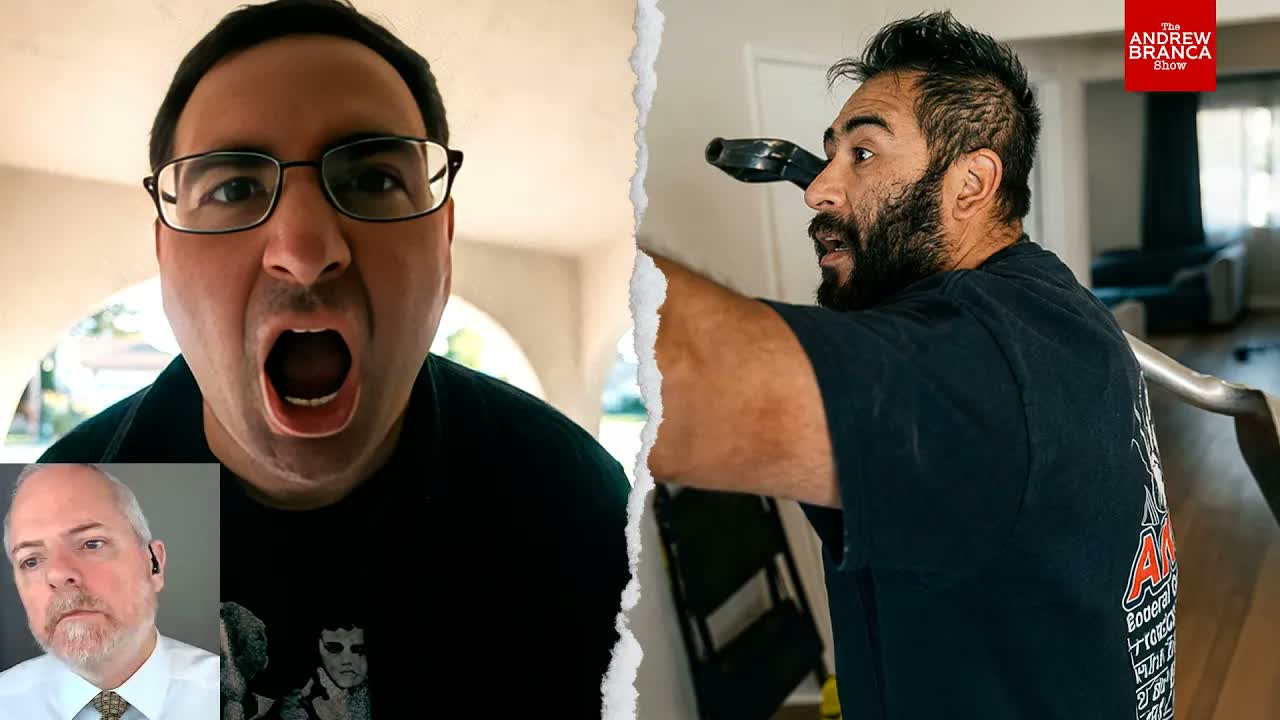
Derived from an episode of The Andrew Branca Show.
In a recent episode of The Andrew Branca Show, the host explored the legal framework that protects homeowners when faced with forced entry. The discussion centered on the conditions under which homeowners can justifiably use force, including deadly force, to defend their property and loved ones. By examining specific state laws, the episode provided a nuanced understanding of the legal protections available to homeowners.
Texas and the Use of Deadly Force
Texas stands out as the only state in the United States that permits the use of deadly force in defense of personal property under certain conditions. According to Texas Penal Code 9.42, a homeowner may use deadly force to protect personal property, but there are stringent requirements that must be met. The episode cautioned listeners that failing to meet these conditions could result in an unlawful killing charge. “I’ve seen 9.42 used effectively as a defense in the killing of someone over just personal property,” the host noted, emphasizing the importance of understanding the law’s intricacies.
Highly Defensible Property and the Castle Doctrine
The concept of highly defensible property extends beyond personal property to include dwellings, workplaces, and occupied vehicles. The host explained that the key distinction lies in the property’s role in providing shelter and protection to its occupants. States like California have specific provisions for defending such properties, as outlined in California Penal Code 197 and 198.5. These codes allow for the use of force, including deadly force, when an intruder endeavors to enter a habitation violently.
Elements of Self-Defense
The episode detailed the five elements that constitute a self-defense claim: innocence, imminence, proportionality, avoidance, and reasonableness. These elements are cumulative, meaning all must be present unless legally waived. The host explained that in cases involving highly defensible property, legal presumptions often cover most of these elements, making it easier for homeowners to justify their actions. “A reasonable and prudent person in your circumstances would have shared that belief,” the host stated, underscoring the importance of reasonableness in self-defense claims.
California’s Legal Presumptions
California law provides a legal presumption of reasonable fear of imminent death or great bodily harm when an intruder unlawfully and forcibly enters a residence. This presumption simplifies the homeowner’s defense by covering several self-defense elements. The episode highlighted that while unlawful entry is straightforward, the requirement for forcible entry ensures that the threat is genuine and imminent. This distinction is crucial in establishing the homeowner’s right to use force.
Broader Implications for Homeowners
The discussion on The Andrew Branca Show underscores the importance of understanding state-specific laws regarding self-defense and property protection. Homeowners must be aware of the legal conditions under which they can defend themselves and their property to avoid legal repercussions. The episode serves as a reminder that while the law provides protections, it also requires a thorough understanding to navigate successfully.
The full episode of The Andrew Branca Show is available on OBBM Network TV.
Watch The Andrew Branca Show on OBBM Network TV: https://www.obbmnetwork.tv/series/the-andrew-branca-show-208238
