
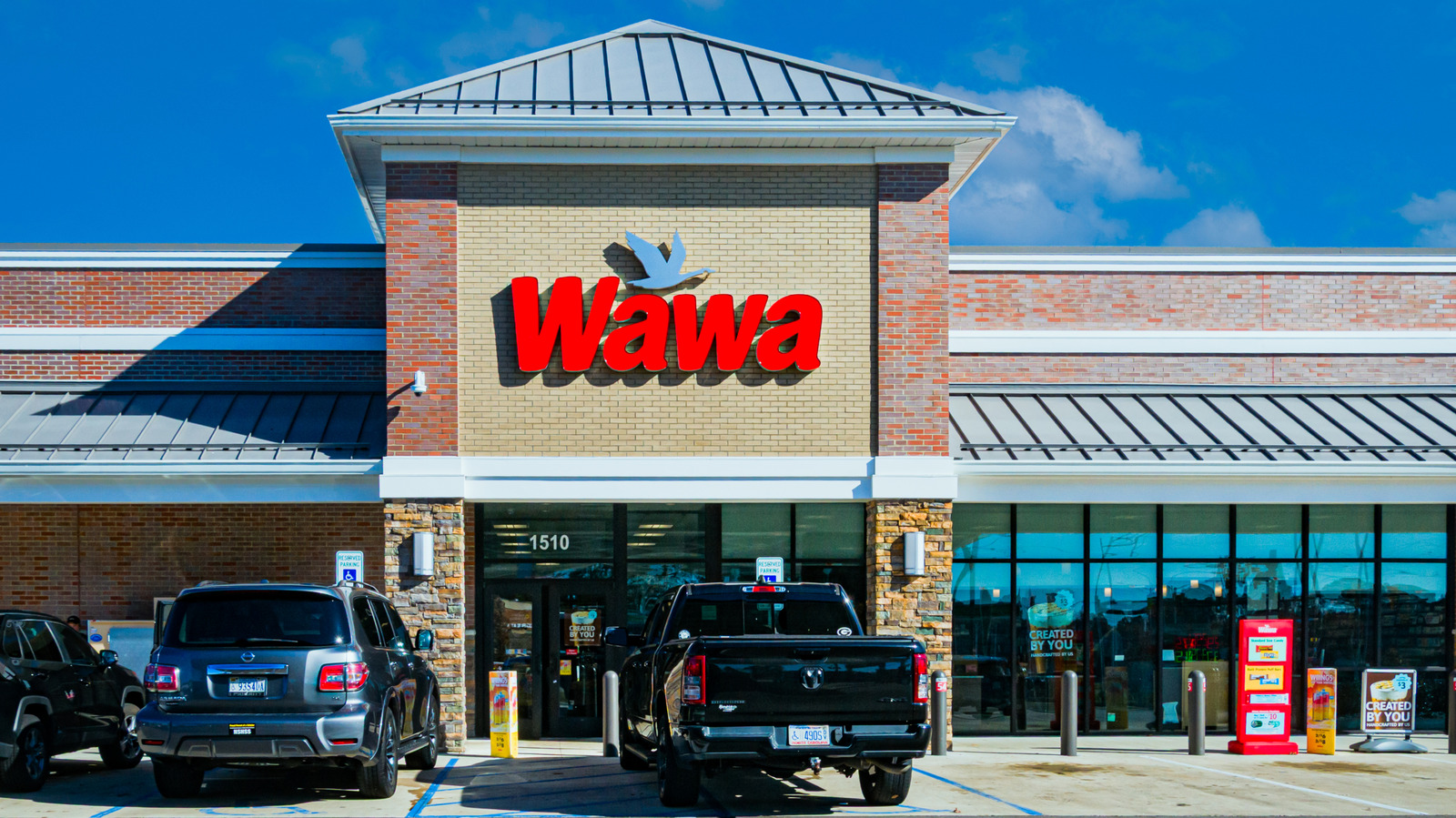
Wawa is a beloved convenience chain across the Mid-Atlantic, known for made-to-order food, friendly service, and that unmistakable Canada goose logo; this piece explores why Wawa feels local, how its ownership sets it apart from typical corporations, and what that means for customers and communities.
Walk into a Wawa and you get a consistent vibe: clean stores, fresh coffee, and people in a rush who still stop to chat with clerks. For many in the region, Wawa is more than a pit stop, it is part of daily life and neighborhood identity. That steady presence is a big reason why the brand resonates so strongly from Pennsylvania to Florida.
The Canada goose icon is simple but effective, a visual that sticks in your mind and signals something familiar. It started modestly and grew into a symbol tied to convenience and trust rather than highbrow branding. Over time that goose became shorthand for reliable service and predictable quality, which is no small feat in the quick-serve world.
Behind the logo, the company’s ownership is unusually private compared with publicly traded chains. Wawa operates as a privately held business, shaped by long-term thinking instead of quarterly earnings pressure. That structure lets leadership focus on stable growth, store experience, and employee practices without the glare of Wall Street demands.
That private status also affects how decisions get made on the ground. Management can prioritize investments in staff training, store layout, and food programs because returns are measured over years rather than months. Customers feel the difference when clerks know regulars and when stores maintain a level of consistency that fleeting market trends seldom reward.
Community ties are another outcome of Wawa’s way of doing business. The chain sponsors local events, supports charities, and shows up for emergency relief efforts, behavior that reinforces loyalty beyond simple transactions. When a store closes late or opens early to help a neighborhood in need, people remember, and that memory builds brand goodwill in a tangible way.
Expansion has not erased Wawa’s regional character, even as the chain stretches further south and into new markets. New stores adopt the same menu staples and layout cues that longtime customers expect, while testing new offerings that can roll out slowly. That cautious, experimental approach reflects a company comfortable with steady evolution instead of disruptive upheaval.
For shoppers and communities, the combination of a recognizable logo, reliable service, and private ownership creates a practical advantage: predictability. You know what to expect at a Wawa, and that trust is valuable in the fast pace of everyday life. As the brand navigates growth, that focus on familiarity and community connection will likely guide its choices without the need for quick financial theatrics.
