
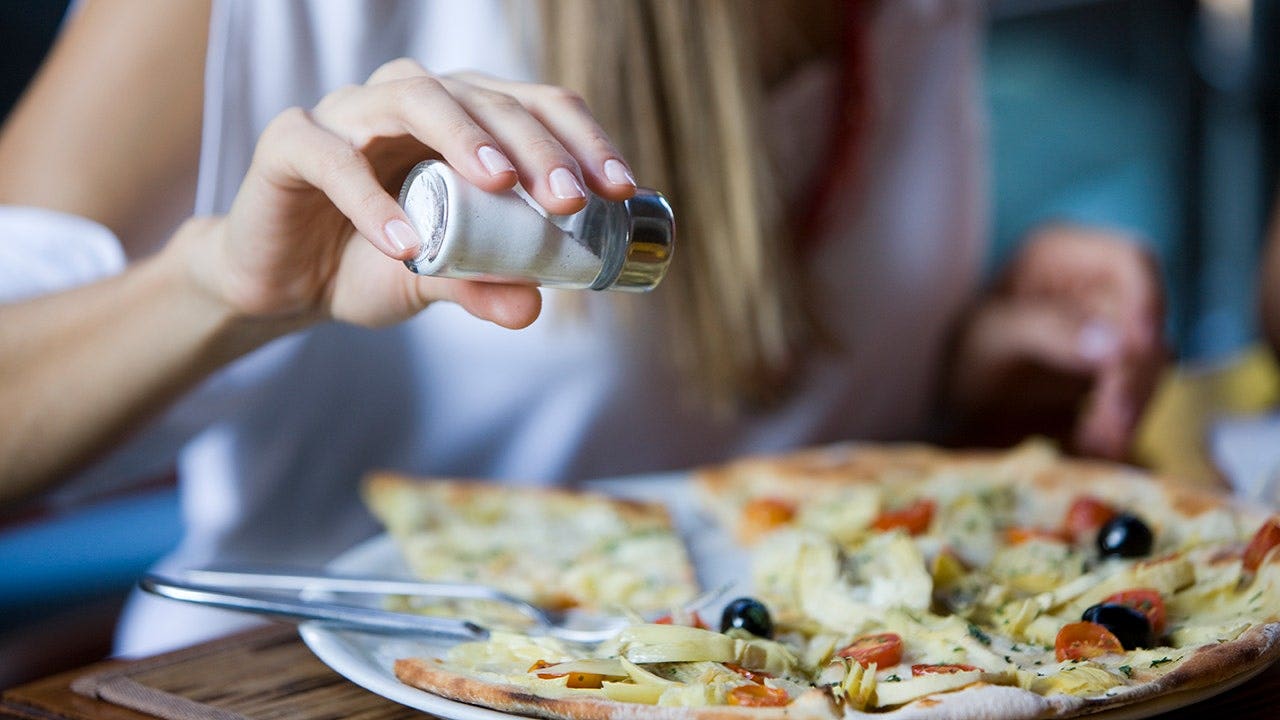
A new analysis of survey data from older adults in Brazil highlights who is most likely to shake extra salt on their meals and why that habit matters for health, while experts suggest simple swaps and changes at the table to cut down on added sodium.
Researchers looked at a national sample of more than 8,000 Brazilians aged 60 and up to see who reported sprinkling salt on food after it was served. They asked a straightforward question to participants: “Do you have the habit of adding salt to food at the table?” The answers revealed patterns that go beyond mere preference.
Roughly one in nine older adults said they routinely add salt at the table, with men more likely to do it than women—12.7% versus 9.4% in the surveyed group. That gap led investigators to dig into lifestyle and dietary differences that might explain the habit. Living arrangements, medical diets and the kinds of foods people eat all showed up as linked factors.
Men who were not following a diet for high blood pressure were more than twice as likely to add salt compared with men who were adhering to such a diet. Men living alone had a 62% higher likelihood of using extra salt than those living with others, suggesting social context matters. These connections hint that routines, like eating alone or relying on convenience foods, can push taste preferences toward saltier choices.
Women also showed clear patterns: those not following a high blood pressure diet had 68% higher odds of adding extra salt. Women who rarely ate fruit were 81% more likely to reach for the salt shaker, and those skipping vegetables had a 40% higher chance of doing the same. Higher intake of ultraprocessed foods and living in urban areas were both associated with increased discretionary salt use among women.
The study is cross-sectional, so it draws associations rather than proving cause and effect, and it relies on self-reported habits, which can introduce error. Still, the links align with what we already know about sodium and health: diets high in sodium tend to raise blood pressure and increase the risk of heart disease, gastric cancer, obesity, osteoporosis and kidney disease. Global health guidance recommends adults keep salt well under a teaspoon a day.
Global estimates tie excessive sodium consumption to a large number of deaths each year, underlining why small behavioral shifts can have big public health payoffs. Study authors called for practical, easy-to-adopt alternatives to habitual salt use that preserve flavor without the health trade-offs. One co-author suggested tasting techniques and seasoning swaps that keep food enjoyable while cutting sodium.
“The use of herbs and natural seasonings as alternatives to salt, or culinary techniques such as using the acidity of citrus fruits, may help reduce discretionary salt use while maintaining food palatability,” she wrote in a press release. She also pointed to straightforward table habits: “Practical strategies, such as avoiding the routine placement of saltshakers on the table, may also help reduce habitual salt use.”
Registered dietitians echoed those practical ideas and noted that observed gender differences make sense in everyday life. “It’s interesting that this study found that men were significantly more likely to add salt to their food compared to women, because this is an observation I’ve had as well,” said one nutrition expert who commented on the findings. She suggested awareness and small behavior shifts could make a measurable difference.
“It could be because women are more bloat-conscious overall and may be more informed on the medical harms of excessive salt, as well as the more superficial ones like making your rings hard to take on or off (when you’re dealing with water retention from increased salt intake),” she added, pointing to both health and day-to-day motivations for cutting back. She also connected the dots between takeout, processed foods and higher salt preferences.
“That is further reflected in the stats showing that the less fruits and vegetables one eats, and the more processed foods consumed, the more likely one was to add salt to their food,” she noted, emphasizing diet quality as a key lever. The same expert urged public health action: “This should encourage HHS and public health officials to promote nutrition education and the importance of whole foods, less processed foods and reduced salt intake overall,” she said.
The picture that emerges is simple and actionable: encourage fresh produce, reduce ultraprocessed choices, and make small changes at the table to interrupt automatic salt use. For older adults and anyone managing blood pressure, those swaps are more than culinary tweaks—they are steps toward measurable health benefits. Modest shifts in seasoning and routine can reduce sodium exposure without sacrificing the pleasures of a well-seasoned meal.
