
Colorado has pushed a stack of laws and court fights that read like a direct challenge to free speech, and those moves have repeatedly bounced back from the courts. This piece tracks the state’s recent battles—from attempts to bar speech and association to new rules aimed at lawyers—and explains why those fights are shaping national First Amendment law. The tone here is straightforward: these are political choices with legal consequences, and the courts have often pushed back hard. Expect clear examples, named cases, and the ways those losses feed into a larger conservative legal narrative.
Call it irony: Colorado’s motto “It’s Our Nature” now feels like a warning to anyone who disagrees with the political machine in Denver. State leaders have launched policies that target speech and association, then waited for courts to sort out the fallout. Instead of quieting dissent, those campaigns have generated landmark decisions that reinforce constitutional protections. That pattern is familiar and, for conservatives, instructive.
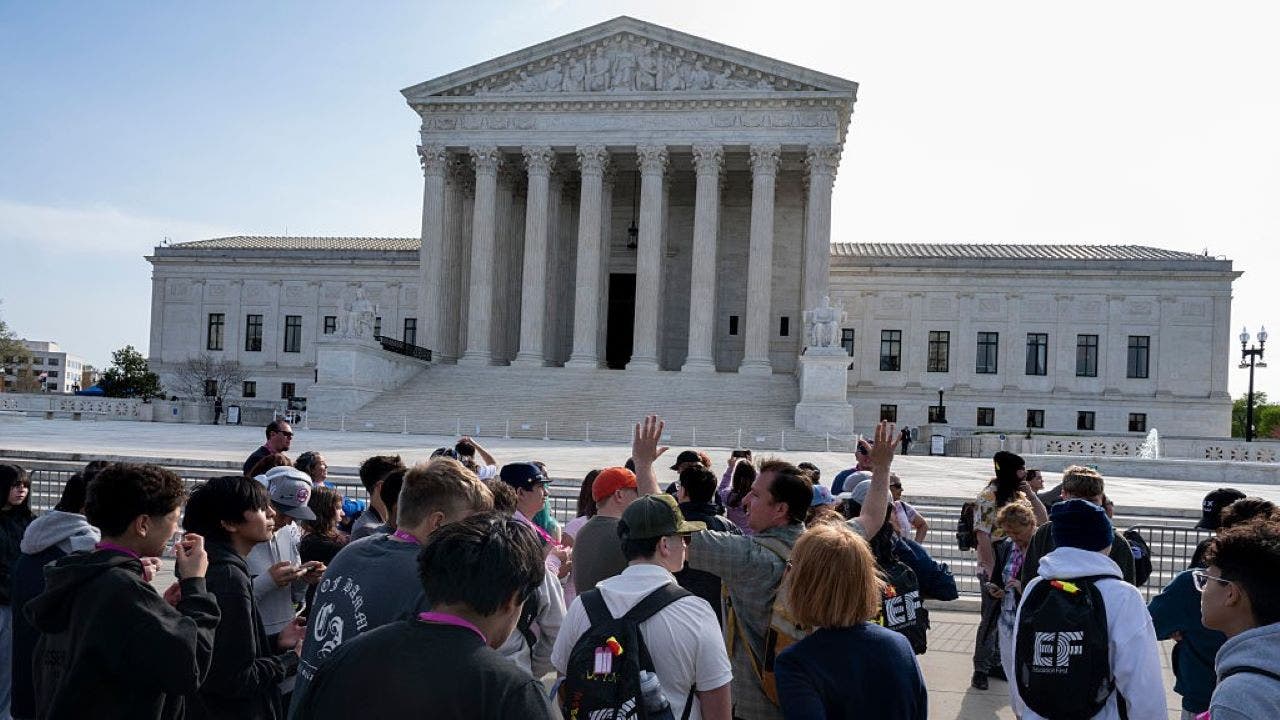
The state has even flirted with removing a presidential candidate from the ballot, putting Colorado in the middle of a national fight over political expression. That gambit ended up in the Supreme Court, which rejected the effort unanimously. The episode underscored how aggressive state actions against speech can backfire and hand the judiciary opportunities to reaffirm broad First Amendment principles.
On culture fights, Colorado pushed business owners into court over expressive choices, sparking Masterpiece Cake Shop and later 303 Creative. Those cases became touchstones for speech rights, showing that forcing artists and creators to endorse messages they disagree with will prompt constitutional scrutiny. The litigation against Jack Phillips and others ultimately strengthened protections for conscience and creative expression.
Colorado’s campaign against what it labels conversion therapy is another front where the state has suffered major defeats. In Chiles v. Salazar, the Supreme Court rejected Colorado’s position by an 8-1 margin, with only Justice Ketanji Brown Jackson in the minority. After that loss, the state tried to double down with legislation increasing liability and waiving statutes of limitations, which promises more courtroom fights for years to come.
Lawmakers then adopted HB 25-1312, expanding public accommodation rules to cover “gender expression,” including “chosen name” and “how an individual chooses to be addressed.” Federal district judges have been mixed, but at least one refused to block the law at the preliminary stage. Plaintiffs are appealing, and groups like Alliance Defending Freedom have stepped in for businesses such as XX-XY Athletics and Born Again Used Books.
Meanwhile, Senate Bill 25-276 requires attorneys using the state e-filing system to certify annually under penalty of perjury that they will not use personal identifying information to assist federal immigration enforcement. The rule reads like a pledge to refuse cooperation with federal authorities in certain contexts, and the language is vague enough to raise serious constitutional and ethical questions. Lawyers have already objected to being forced into endorsing a policy as a condition of representing clients.
Specific procedures exist for sealing information in court records, and judges weigh motions to seal on legal grounds in individual cases. Yet the new certification requirement sweeps broader than case-by-case sealing and injects uncertainty into basic lawyering duties. The tension between state policy and federal enforcement promises more litigation, and the federal government itself could intervene if it views state rules as obstructing national law.
“We recognize that some people may be frustrated by the requirements of this new legislation,” but officials have argued the judiciary must follow laws as enacted and try to make compliance simple. That exact line captures the disconnect: policymakers insist their rules are manageable, while critics see compelled statements and vague prohibitions that chill speech and professional judgment. Whatever the outcome, Colorado’s strategy of testing constitutional lines is clearly deliberate and ongoing.
Those testing grounds have a pattern: blue states pass aggressive statutes that courts overturn, and the backlash creates precedent that protects liberty in other arenas. Colorado’s string of defeats on speech echoes earlier fights over gun laws, where controversial statutes ended up catalyzing big Second Amendment wins. For now, the legal tug-of-war in Colorado is far from over, and conservative lawyers and advocates are watching closely for the next appeals and decisions.
