
Rising gas prices have pushed more buyers toward cars that stretch every gallon, and for 2026 there are compact hybrids and efficient sedans that can realistically hit 50 mpg or better. This piece highlights why those cars matter, what to expect from 2026 models, five strong candidates that deliver exceptional fuel economy, and practical tips for getting the most out of them. Read on to see how small engineering choices add up to big savings at the pump.
Gas prices keep people thinking about mpg, and manufacturers are answering with smarter powertrains instead of just more battery range. For many shoppers a car that returns 50 mpg or more means less time worrying about filling up and more money staying in the bank. The 2026 crop focuses on hybrids and ultra-efficient combustion-engine designs that prioritize highway and city economy alike.
When hunting for a 50-mpg car, look first at hybrid systems that blend combustion engines with electric assists to shave consumption. Lightweight materials and improved aerodynamics also play a big role in squeezing extra miles per gallon. Transmission design and low-rolling-resistance tires are quieter contributors that matter a lot in real-world driving.
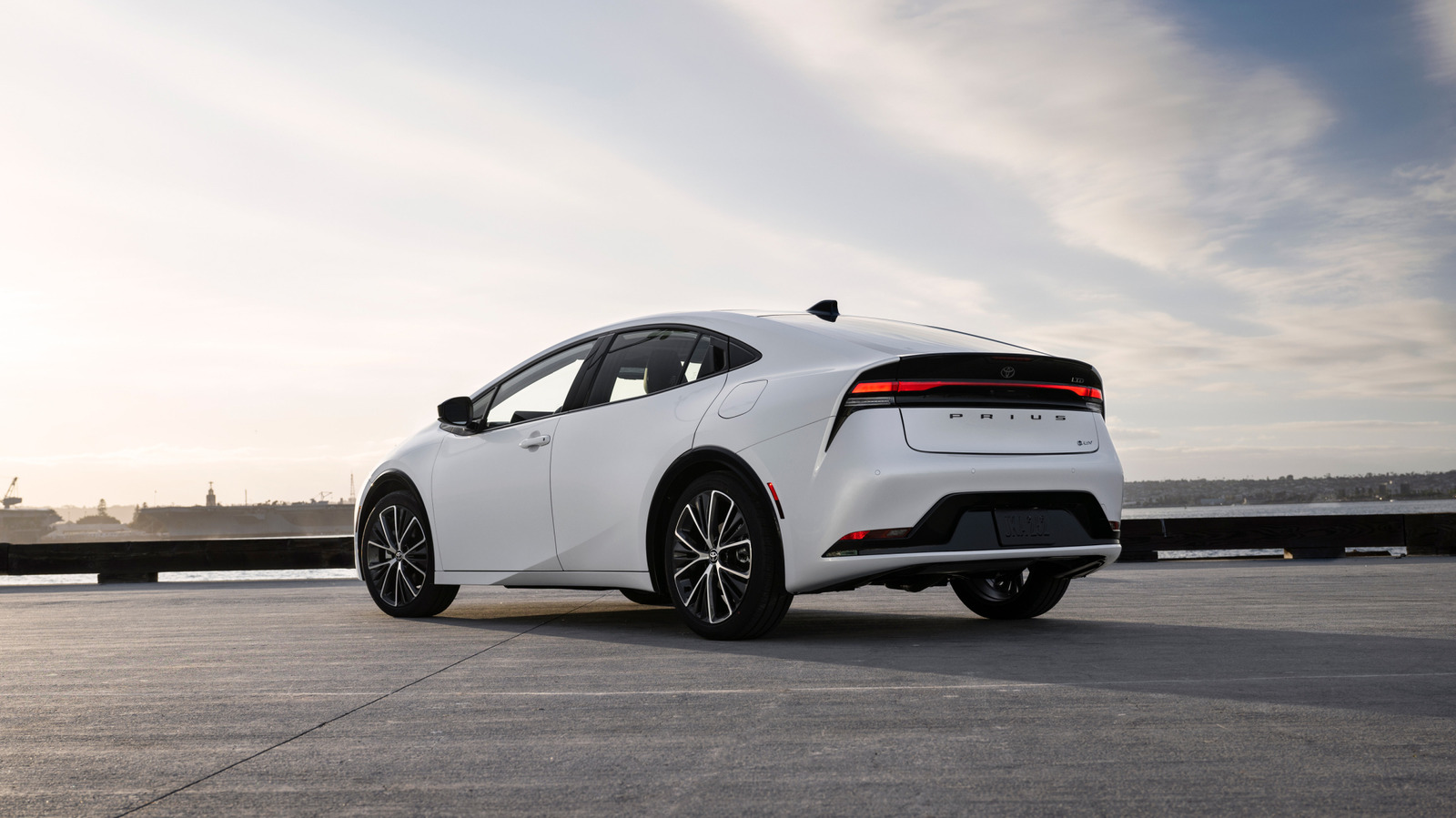
Toyota remains a go-to name for high mpg thanks to long-tuned hybrid tech and consistent real-world results. The Prius still represents the benchmark for combined fuel economy in many trims, and its 2026 iteration refines efficiency without making the package complicated. If you want proven fuel savings rather than experimental tech, Toyota hybrids demand attention.
Hyundai and Kia have pushed hard on efficient small cars and hybrids, and models like the Elantra Hybrid and Niro Hybrid have shown combined figures in the 50-mpg neighborhood on prior testing. Their cabins are modern, warranties generous, and the powertrains feel smooth rather than quirky. For buyers who want value plus efficiency, these brands are serious contenders for 2026.
Compact sedans that emphasize low weight and tight aero are also capable of crossing the 50-mpg line without plugging in. Models that pair small-displacement turbo engines with smart hybridization can be surprisingly frugal on the highway. Those alternatives give drivers a familiar sedan shape with the kind of economy usually reserved for hybrids.
For shoppers who prefer the option to go electric for short trips, plug-in hybrids offer a hybrid approach to reaching very high mpg-equivalent numbers. Short daily errands can be done purely on battery, while longer trips flip the car back into efficient hybrid cruising. The net result is often an effective fuel economy that looks great on monthly costs, especially if you can charge at home.
Practical ownership tips matter just as much as the sticker mpg number when it comes to real savings. Maintaining tire pressure, using recommended motor oil, and avoiding excess weight in the trunk all keep economy near the advertised figures. Smart driving habits like gentle acceleration and steady speeds also deliver immediate, measurable returns at the pump.
Expect the 2026 lineup to refine software and controls so hybrid transitions are smoother and the engines operate in their most efficient bands more often. Better predictive energy management and adaptive cruise features help keep mpg high by avoiding unnecessary throttle. Those behind-the-scenes improvements are why newer model years often feel more efficient even if the hardware looks similar.
Resale and total cost of ownership are important to factor in when choosing a 50-mpg car. High-efficiency models often hold their value well with buyers who want low operating costs, and reduced fuel spending compounds over years of ownership. Consider warranty coverage and available dealer support when comparing similar candidates.
Charging infrastructure matters for plug-in hybrids, but if most of your miles are local you can treat the battery as a daily gas saver without relying on public chargers. For drivers who commute under 30 miles each way, PHEVs can convert many days into electric-only trips and drive down fuel expenses dramatically. If you travel long distances frequently, pure hybrids often deliver better long-range simplicity and still hit outstanding mpg.
Buying used can be a smart way to get 50-mpg performance without the fresh car premium, but check for proper hybrid maintenance history and battery condition. Certified pre-owned programs and thorough inspections reduce the risk of surprises. A well-kept older hybrid can deliver many years of low-cost motoring for a fraction of a new car price.
Whether you choose a compact hybrid, a plug-in, or an aerodynamic small sedan, the key is matching the car to your driving pattern. If most of your miles are city-based, hybrids and PHEVs will shine; if you do a lot of highway driving, look for models with proven high-speed economy. In either case, 2026 options make it easier than ever to find a car that reliably achieves 50 mpg or better without trading away comfort or technology.
