
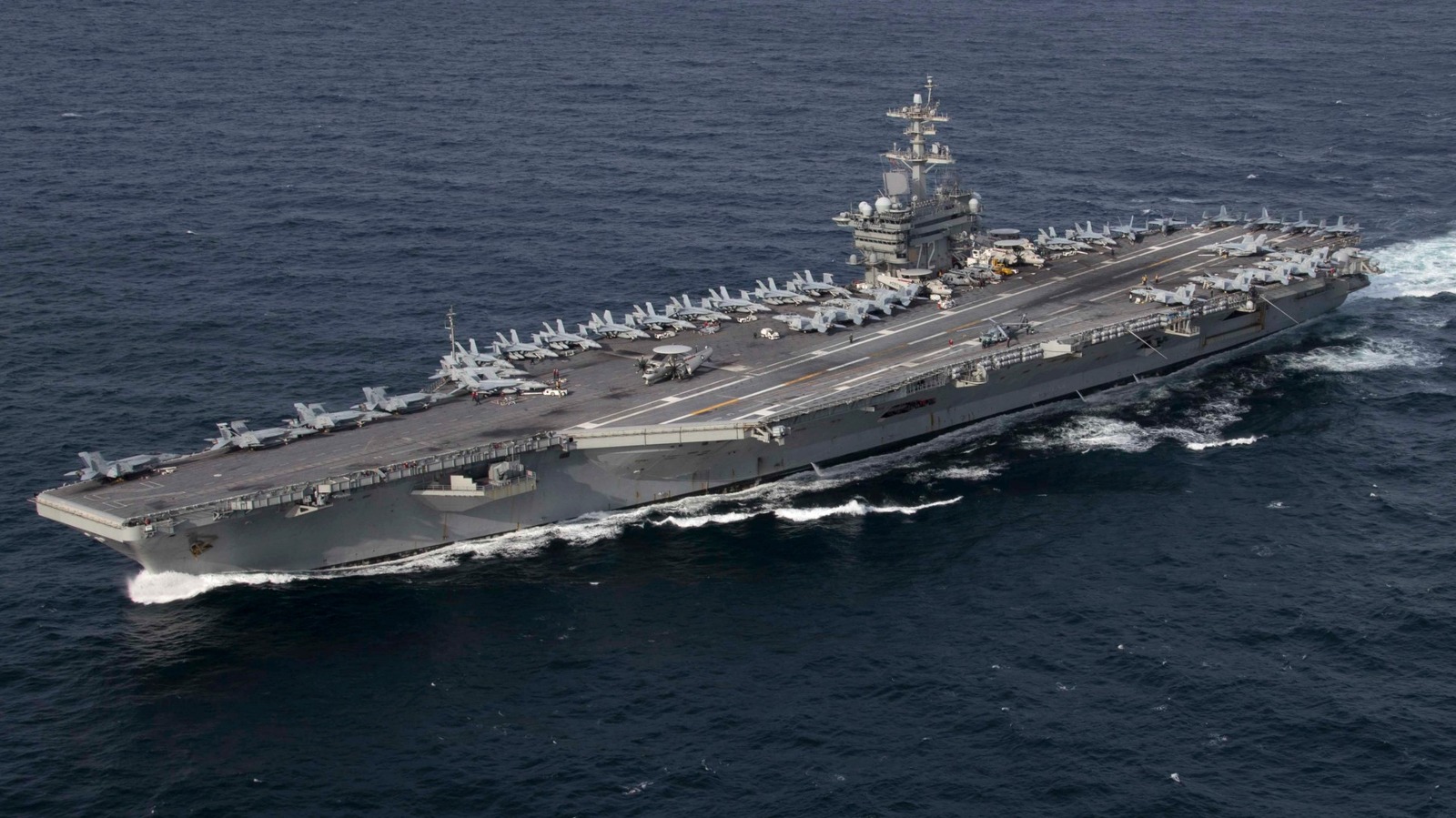
Aircraft carriers normally keep a firm five-mile buffer from shore or other high-risk areas, but there are clear, practical moments when commanders have to chip away at that cushion. This article explains the safety logic behind the five-mile rule, the kinds of operational demands that force exceptions, and how crews manage the trade-offs when distance has to be sacrificed for mission, rescue, or safety.
The five-mile rule exists because carriers are big, slow-turning platforms with far-reaching air operations that need clean airspace and predictable sea room. Keeping that distance reduces collision risk for ships and aircraft, minimizes wake interactions, and gives carrier air traffic controllers margin for error during recoveries and launches. It also simplifies legal and diplomatic navigation near foreign coasts.
Routine flight operations are the single biggest reason carriers insist on space, but paradoxically they are also a reason commanders sometimes close the gap. In cases of emergent recovery: wounded aviators, damaged aircraft, or fuel-critical single-seat fighters returning from missions, captains will maneuver closer or alter patterns to speed recovery. The time pressure and human lives involved can justify breaching standing distance norms.
Medical emergencies at sea force unimaginably fast decisions, and carriers are often the biggest hospital available for miles. If a crewmember or embarked civilian needs immediate care, the carrier may steam in to launch or receive helicopters, or to meet a small boat, reducing that five-mile buffer in minutes. Those moves are surgical and planned on the fly, because the alternative would be greater risk to a person’s life.
Environmental hazards and navigation constraints also push carriers into tighter quarters than they’d prefer. Narrow straits, shallow approaches to ports, and congested littoral waters impose geometric limits on where a massive carrier can operate safely. When transit routes demand it, watch teams and pilots work extra hard to maintain safety margins even as the ship’s hull moves into less forgiving water.
>Tactical necessity sometimes trumps peacetime caution, especially during high-stakes operations near hostile shores where distance equals diminished effectiveness. To launch timely strikes, provide close air support, or assert presence, commanders may accept closer patrols and tighter stationing under carefully managed conditions. Those moves hinge on intelligence, escorts, and rules of engagement designed to keep risk proportional to the objective.
Legal and diplomatic lines matter too, and carriers don’t want to step on sovereignty unless there’s a reason. International law, allied coordination, and diplomatic fallout shape how and when a ship slips inside customary buffers. In short, commanders weigh the mission, the legal picture, and tactical necessity before abandoning a standing rule.
Technology and training reduce how often the five-mile rule is bent, but they don’t erase the human and mechanical unpredictability of carrier life. Better avionics, more precise navigation, and improved comms tighten margins, yet unexpected damage, sudden medical crises, or hostile moves still demand occasional exceptions. When those moments come, the ship’s crew makes fast, risk-informed choices so the carrier can keep doing what only a carrier can do: project power, protect people, and operate relentlessly at sea.
