
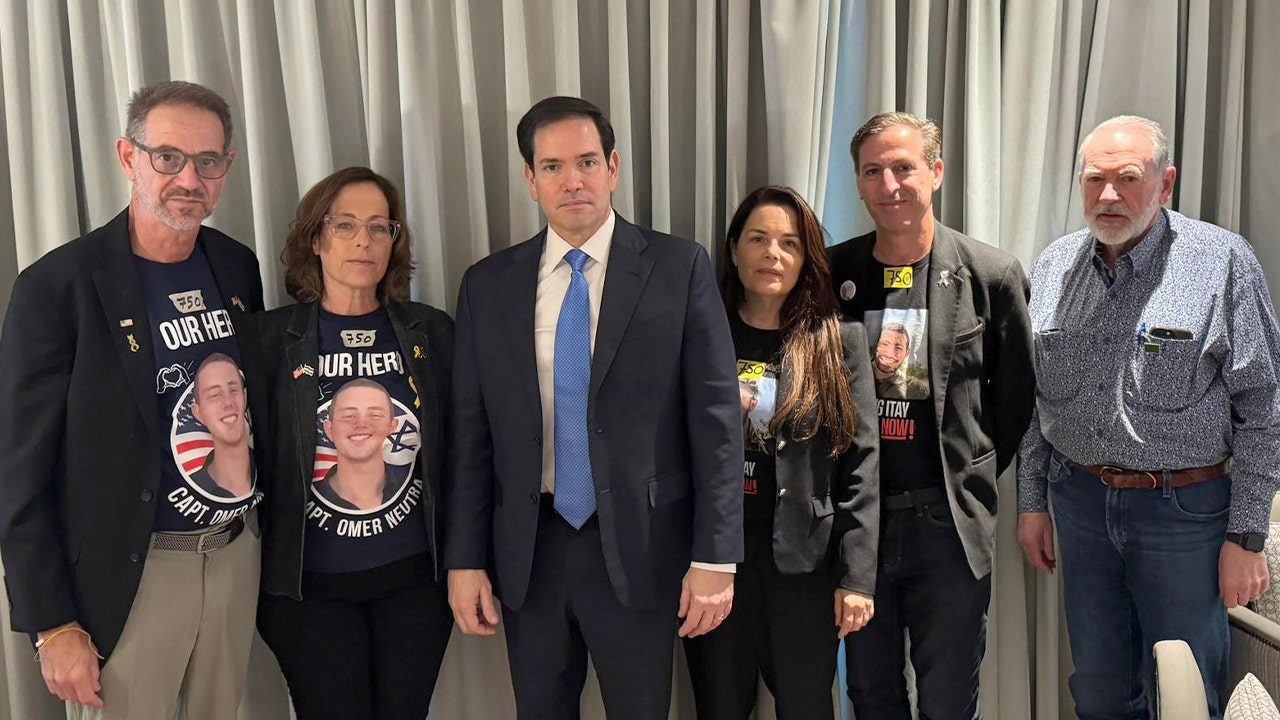
The Senate’s unanimous tribute to American victims of October 7 brought long-overdue recognition to families who have carried grief in silence, but the hard part is still ahead. Memory matters, and so does action, especially when the dead were U.S. citizens murdered by terrorists and their names were nearly forgotten in the noise of politics. The next step is not ceremony for ceremony’s sake, but real support, real investigation, and real justice that reaches beyond the headlines.
On October 7, 2023, nineteen-year-old Itay, an American-Israeli soldier at Nahal Oz, was kidnapped and murdered by Hamas terrorists. His remains were kept in Gaza for 760 days, a cruel stretch of time that turned mourning into a kind of torture for his family, and he was finally returned in November 2025 as the last American hostage. He was not a statistic, and neither were the other Americans killed that day, including Judy Weinstein, Danielle Waldman, and Carol Siman Tov.
That is why the Senate vote mattered so much. With no objections, lawmakers adopted a bipartisan resolution honoring the 46 Americans murdered by Hamas and placing their names into the official record, where they should have been from the start. For families who have felt invisible for too long, that kind of acknowledgment carries real weight, even if it cannot undo the loss.
Washington is also preparing a formal gathering to recognize the American victims together, which marks a striking shift from the usual political shrug. Many people in the United States still do not fully grasp that one of the deadliest terror attacks against Americans since September 11 also claimed U.S. citizens abroad. That gap in public understanding is part of the pain, because forgetting gives extremists exactly what they want.
Still, recognition alone does not equal healing. Families can stand in a room full of cameras and official statements and still go home with the same raw questions, the same sleepless nights, and the same empty chair at the table. A ceremony can open the door, but it cannot be the end of the road.
That is why the call for the October 7th American Victims Family Support and Remembrance Act hits so hard. The families deserve the same kind of mental health help and medical rehabilitation Congress provided to 9/11 families through the Zadroga Act, along with a permanent memorial in Washington that says their loved ones mattered to the country they served. Grief gets heavier when people are expected to carry it alone.
There is also a deeper demand here, one that goes beyond comfort and into truth. Congress should create a formal committee to investigate how nearly 50 American citizens were killed on October 7, because recovery without answers is incomplete. The families still do not know exactly how their loved ones died, and no nation should ask them to settle for mystery and silence.
The precedent is already there, and it is not subtle. When Americans died in Benghazi, Congress investigated; when lives were lost at Khobar Towers, Congress investigated again. The logic is simple enough: if the United States owes clarity to its citizens in one tragedy, it owes the same clarity here, especially when the victims were murdered by terrorists overseas.
Then comes the hardest part, the one that separates sympathy from seriousness. The Justice Department has to keep going after everyone responsible for October 7, not just the killers on the ground but the people who funded, armed, and enabled them. If terrorists learn that murdering Americans carries no lasting consequence, the danger only grows, and the next family is left exposed.
That is why this moment should not fade into a polite Washington memory. The Senate has already spoken with unusual unity, and now the country has to decide whether that unity means anything at all. Families who lost sons, daughters, parents, and grandparents deserve more than a line in the congressional record, and they will keep pressing until the promise behind that vote turns into something real.
