
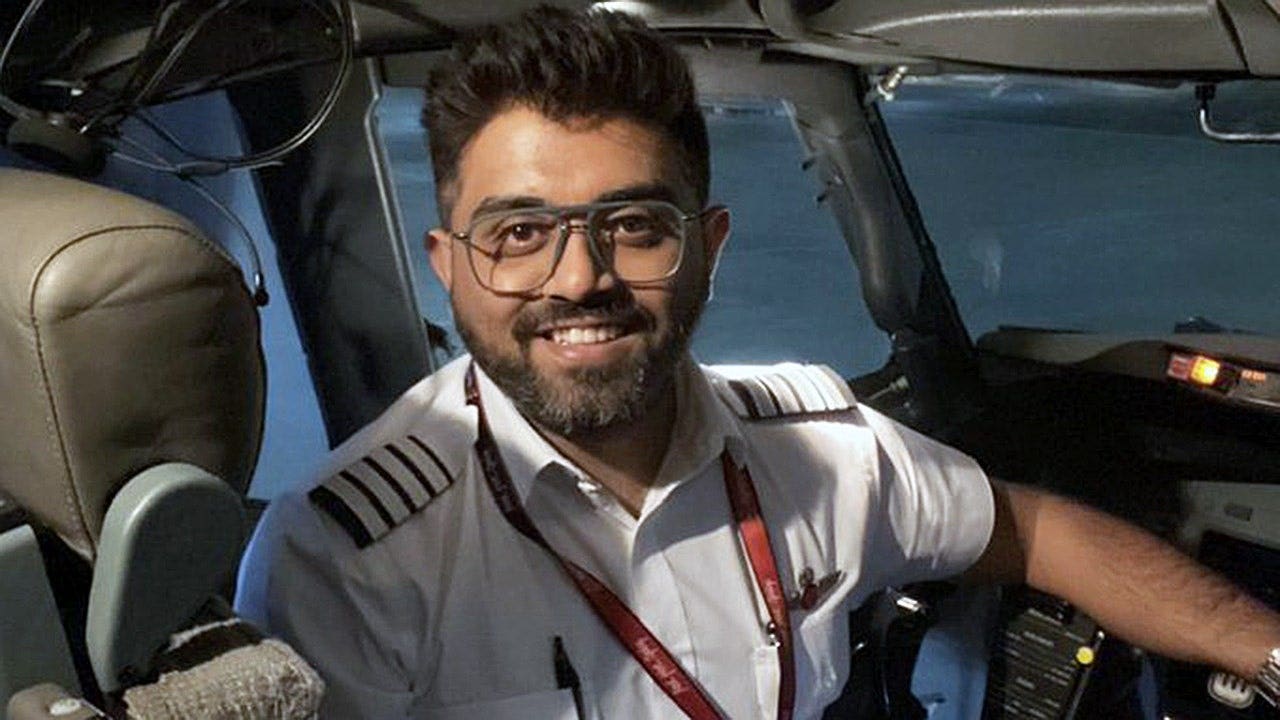
FlyDubai Flight 1073 turned into a nightmare fast, but the people on board did not freeze. A knife attack in the air could have ended in mass tragedy, and the reason it did not comes down to one blunt truth: people acted when it mattered.
That kind of event strips away the fantasy that danger always arrives neatly labeled and easily contained. In the real world, the first line of defense is often the person already in the seat, already awake, already paying attention.
There is a hard lesson hiding in that chaos. Hope is nice, but hope alone does not stop a blade, open a cockpit door, or keep a plane from becoming a weapon.
What happened over Saudi Arabia also raises the uncomfortable question of how an attack like that is even possible inside the cabin. If the wrong person gets access, and if others on board are caught flat-footed, the outcome can turn ugly in seconds.
The near-disaster also shows why instinct matters so much. People notice things long before they can explain them, and that gut feeling is often the difference between staying passive and getting moving.
Passengers and crew were forced into action, and that alone says plenty about how thin the margin can be in the sky. When a pilot is injured and the cockpit is threatened, there is no time for theory or second-guessing.
This is where old lessons about preparedness suddenly stop sounding dramatic and start sounding practical. Train your eyes. Trust your read on the room. Pay attention to who seems helpful, who seems off, and who is positioned to make a bad situation worse.
Airline security has changed a great deal over the years, especially after the horror of Pan Am 103 and then the attacks of September 11. Those events forced the world to understand that aviation is not just transportation, it is a target when threats are real and active.
That history matters because attackers adapt, and security has to do the same. A plot that might have looked impossible yesterday can look obvious after somebody finally tries it today.
The FlyDubai incident also exposes a weakness that is easy to ignore until it bites back: the vetting of the people in the cockpit. Flying a plane is about skill, but it is also about judgment, stability, and the company a person keeps.
If warning signs are sitting in plain sight, they cannot be treated like background noise. Funding extremist groups, showing erratic behavior, or carrying dangerous political loyalties are not small issues in an industry built on trust.
That trust is earned through seriousness, not wishful thinking. The passengers who stepped up showed what it looks like when ordinary people refuse to hand over their fate to panic.
There is also a bigger cultural point here. Too many people have been trained to wait, watch, and assume someone else will take charge, but threats rarely cooperate with that mindset.
In a crisis, speed matters. The side that sees first, decides first, and acts first usually gets the upper hand, and that principle applies far beyond a battlefield.
The same idea is why readiness is more than a slogan. It is a habit, a mindset, and a refusal to be helpless when the moment turns sharp and ugly.
That is what makes the FlyDubai story so unsettling and so revealing. It shows how fast a routine flight can become a fight for survival, and how much can depend on a handful of people willing to move instead of wait.
In the end, the sky did not rescue anyone on its own. The people onboard did that, and the message they left behind is impossible to miss: stay alert, be prepared, and do not assume danger will announce itself politely.
