
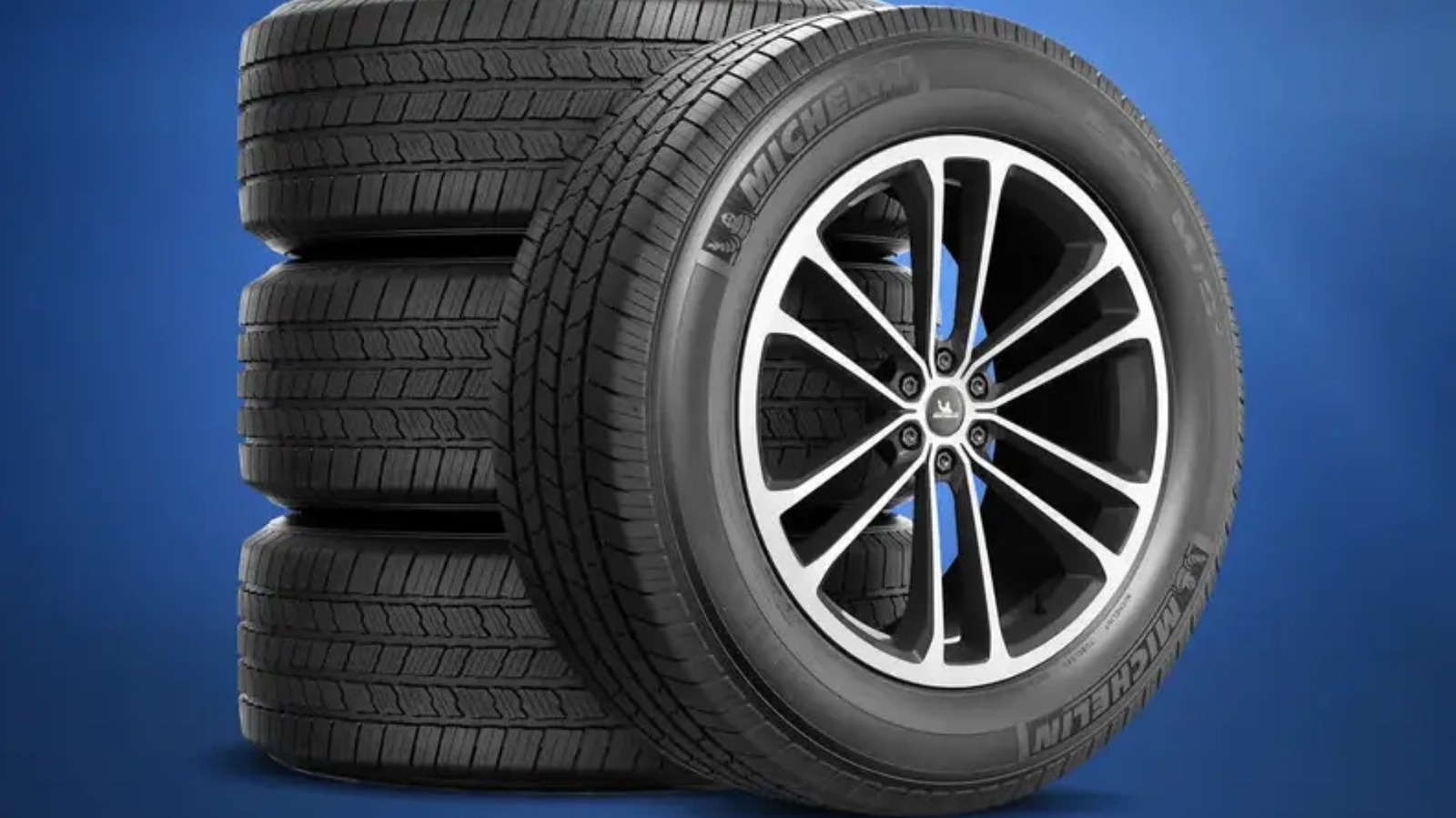
Michelin LTX tires are a family built for light trucks and SUVs, blending durability with highway comfort. This article walks through what sets the LTX line apart, how the designs vary for different uses, and practical tips for choosing and caring for them. If you drive a pickup, SUV, or tow regularly, understanding LTX options helps you match tires to real-world needs.
The LTX badge from Michelin signals tires meant for heavier vehicles and frequent highway miles. These tires are engineered to handle the extra weight and stress that come with trucks and full-size SUVs. Expect reinforced construction, stronger sidewalls, and compounds tuned for resistance to wear.
Within the LTX family, you’ll find variations for different driving priorities: all-season touring, rugged all-terrain, and mileage-focused highway models. Each variant tunes tread pattern and rubber compound to hit its target balance of grip, noise, and tread life. That choice matters once you factor in climate, load, and average speed.
Tread design is a central difference across LTX models and it influences traction and noise. Highway-oriented LTX tires use straighter grooves and denser tread blocks to lower rolling resistance and reduce road hum. All-terrain versions open up the groove pattern and add biting edges to improve traction on loose surfaces at the cost of extra noise.
Tire compound and construction determine how long the tread lasts under heavy use. Michelin typically uses longer-wearing compounds and careful casing design to extend mileage without sacrificing safety. That translates to fewer replacements over the life of a truck or SUV used for commuting and hauling.
Load carrying and towing are core LTX strengths, so pay attention to load index and ply ratings when choosing tires. A tire rated for your vehicle’s gross axle weight prevents premature wear and keeps handling predictable under load. If you tow or carry heavy payloads regularly, prioritize higher load ratings even if they raise cost slightly.
>
The original content included an image which has been removed from the body per guidelines.
Ride comfort and noise control are not ignored in the LTX family, despite the tougher construction. Michelin tunes the carcass and uses noise-canceling tread features to keep long drives mellow. That matters when your vehicle doubles as a daily commuter and a work rig.
Winter performance varies across LTX models, so check the rating if you see snow and ice regularly. All-season LTX tires may handle light winter roads but lack the bite of a dedicated winter tire. For frequent winter driving, a winter-rated option or a separate set of winter tires remains the safer choice.
Fuel economy gets a boost from highway-focused LTX variants that reduce rolling resistance. Less drag on the pavement translates into small but meaningful gains over long highway miles. If you rack up lots of interstate driving, factor rolling resistance into your purchase math.
Sizing and fitment are practical concerns: choose the exact tire size and rim compatibility your vehicle manufacturer specifies. Incorrect sizing affects speedometer accuracy, handling, and clearance during suspension travel. A professional installer can verify fit and help avoid issues like rubbing or load mismatches.
Maintenance is straightforward and vital for maximizing LTX performance: regular rotation, correct inflation, and timely alignment checks. These steps even out wear, protect carcass structure, and preserve handling characteristics. Neglect any of them and you’ll shorten the useful life of a premium tire quickly.
Warranties and treadlife guarantees vary by model and market, so read the fine print before buying. Some LTX models carry mileage warranties that reflect confidence in long life, while others focus warranties on workmanship. Compare warranty terms alongside price to assess real value over time.
Comparing LTX tires to competitors, Michelin tends to emphasize longevity and composure over chasing the cheapest sticker price. That can justify higher initial cost with fewer replacements and steadier performance. If you value predictable handling, quiet highway manners, and long wear, that trade often pays off.
When shopping, consider driving habits first, then match an LTX model to those needs and your budget. Ask about installation extras like balancing, TPMS service, and alignment in the final quote. A well-installed tire package will deliver the performance Michelin engineers designed.
Test drives, owner reviews, and third-party tests are useful but prioritize the criteria you actually care about: towing, mileage, winter traction, or low noise. Narrow your choice to the LTX variant that aligns with those priorities. Then let fitment, warranty, and price finalize the decision so you get tires that work for your life.
