
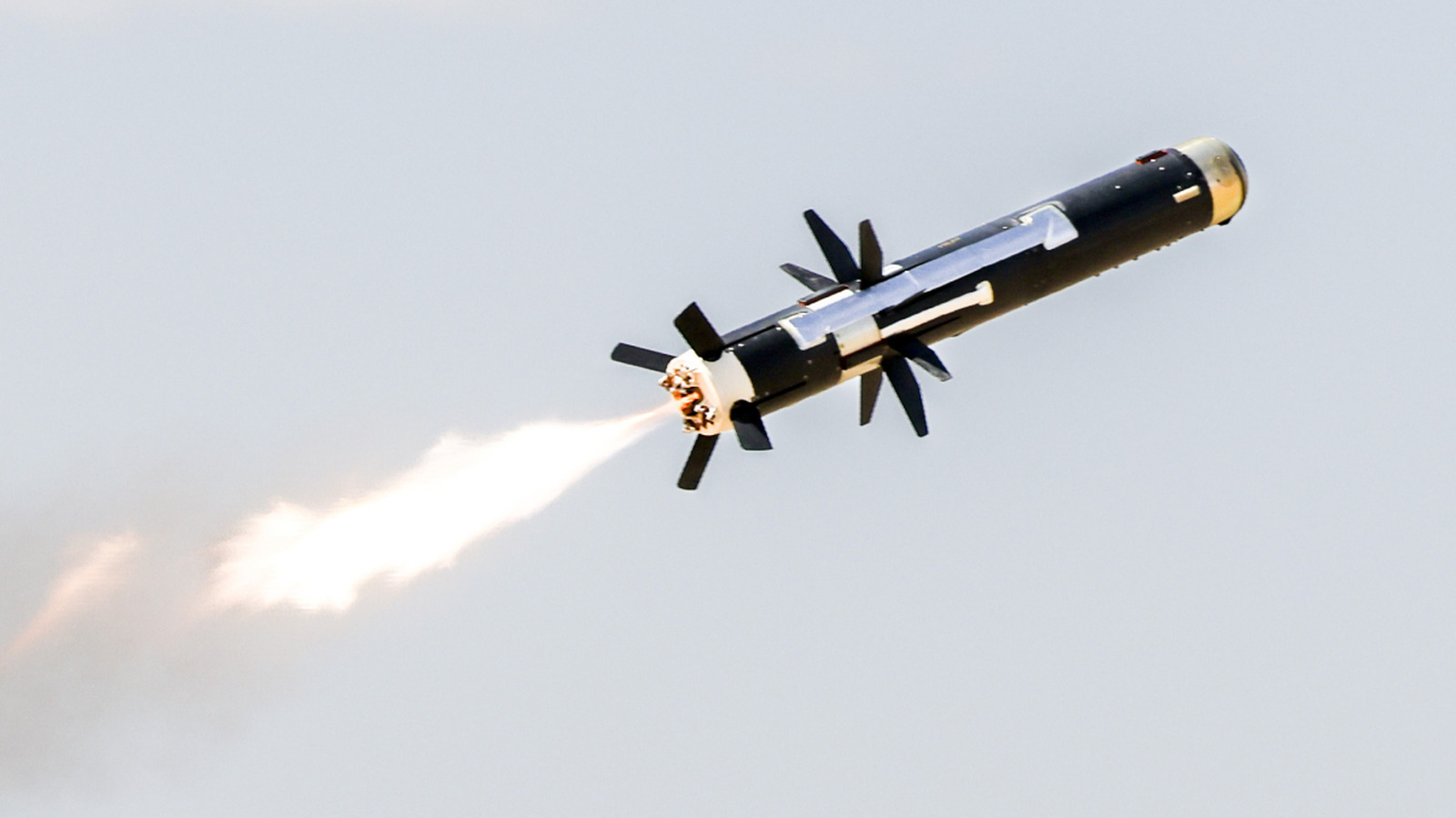
The Javelin anti-tank missile is a widely used U.S. weapon system and this article profiles the main companies that design, produce, and sustain it, outlining their roles, industrial capabilities, and how they work together to keep the system ready for current conflicts.
The Javelin system traces its roots to a public-private development effort, and today a small group of major defense contractors handle the design, production, and logistics. Lockheed Martin and Raytheon figure prominently as the industrial partners that manufacture hardware, integrate systems, and manage supply chains. These companies combine legacy expertise with modern electronics, shaping the missile’s guidance, propulsion, and launch components.
Lockheed Martin contributes systems engineering, production management, and assembly capabilities that knit the weapon’s subsystems together. Their experience with integrating complex avionics and battlefield electronics helps ensure the Javelin’s fire-and-forget seeker and launch unit work reliably under stress. Lockheed’s manufacturing footprint includes precision assembly lines and test facilities that handle acceptance testing and quality assurance.
Raytheon brings advanced seeker technology, electronics, and warhead expertise to the program, applying decades of missile and sensor experience. Their work typically focuses on the infrared guidance package and the miniaturized electronics that allow the missile to detect and track targets autonomously. Raytheon’s role also includes software development and updates that keep the guidance algorithms current against evolving battlefield conditions.
Beyond the two headline contractors, a network of specialty suppliers handles propulsion, warhead components, and the Command Launch Unit. Small and mid-sized firms provide rocket motors, composite casings, and battery systems that are critical to performance yet less visible to the public. These suppliers are often distributed across multiple states, creating redundancy and scaling production when demand spikes.
Production of a sophisticated missile like the Javelin relies heavily on strong supply chain management and long-term vendor relationships. Contractors coordinate sourcing of rare materials, precision-machined parts, and electronic components while maintaining strict security and quality standards. That coordination becomes especially important when ramping up deliveries for allied partners or when replacing battlefield losses quickly.
Lifecycle support and sustainment are central to keeping Javelin inventories reliable and deployable over decades. The prime companies run maintenance, repair, and overhaul programs, replacing aged electronics and refurbishing launch units to meet current operational requirements. They also manage training aids, simulation software, and technical manuals so operators can employ the system effectively in varied environments.
International sales and foreign military partnerships have expanded the industrial footprint of the Javelin program and required the primes to adapt production practices. Export customers often require local support agreements, spare parts packages, and training that shape how contractors package capability for sale. These international relationships also create political and logistical constraints that manufacturers must navigate carefully.
Innovation continues to be a focal point, with contractors investing in seeker improvements, lighter components, and enhanced countermeasure resistance. Ongoing upgrades aim to extend effective range, improve target discrimination, and reduce individual system weight for easier transport by infantry. Research and development work happens in parallel with fielded production to avoid disrupting deliveries while still pushing capability forward.
The partnership model that underpins the Javelin program—major primes working with specialty suppliers—helps the system remain flexible and responsive to demand. That structure also spreads technical risk across companies with complementary skills, making it easier to modernize components without redesigning the whole weapon. For militaries relying on the Javelin, that industrial depth provides a predictable source of capability and a path for steady improvement.
