
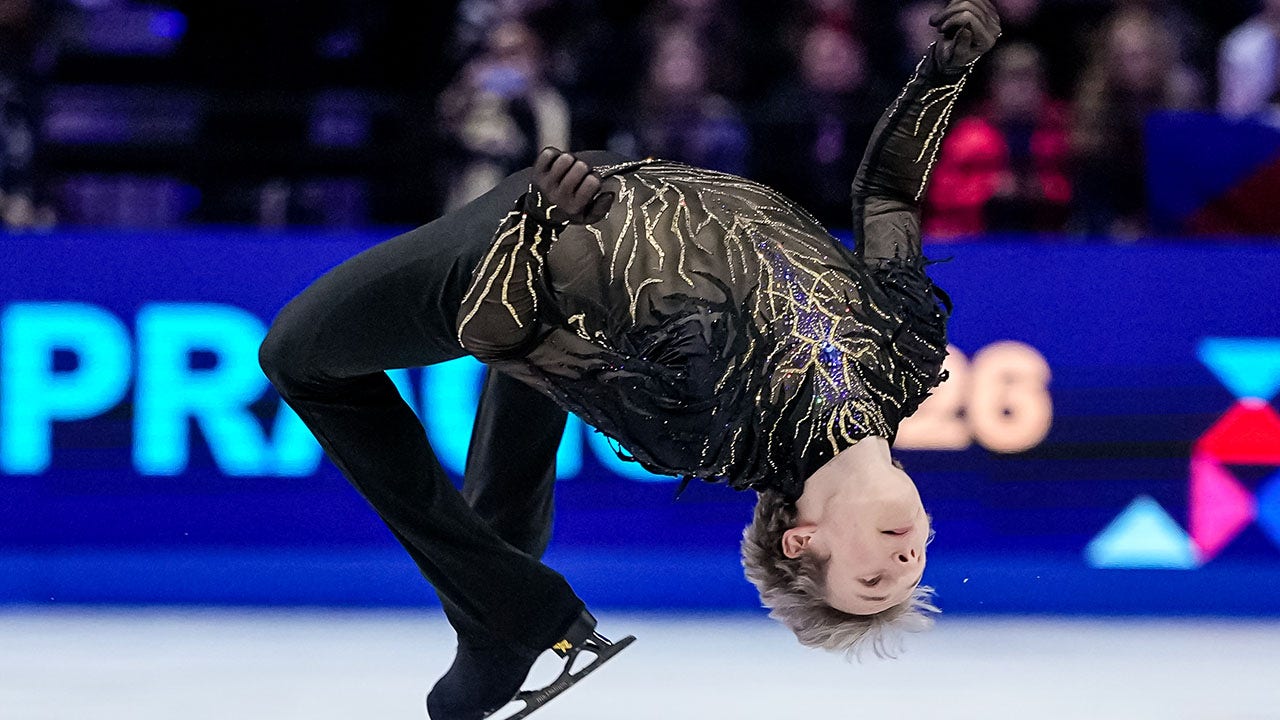
Ilia Malinin shook off Olympic disappointment and took home a third straight world title, proving his comeback was no fluke and that his place at the top of men’s figure skating is earned through grit and daring. This piece follows how he regrouped, the elements that set his skating apart, and what his streak means for the sport going forward.
The setback at the Olympics was a sharp moment, but it didn’t define him. Instead of letting one event derail his entire season, Malinin used it as fuel, sharpening focus and tightening every part of his program.
On the ice he looked different in the best way: calmer under pressure and more precise in execution. Judges rewarded that control, and crowds noticed the shift from frustration to composed aggression in his skating.
Technically, Malinin keeps pushing the boundaries of what’s possible. He lands high-difficulty jumps with a confidence that’s part athleticism, part calculated risk-taking, and that combination keeps rivals on alert and audiences on their feet.
Consistency was the backbone of his world title run; when others stumbled, he kept collecting clean elements. Those repeat performances aren’t glamorous to watch in a single run, but over a season they build an airtight case for supremacy.
Mental game matters as much as technique, and Malinin’s shows steady improvement. He’s become more strategic about when to use his big moves, saving them for moments that swing momentum and leave judges no choice but to take notice.
Training adjustments played a role, too, with a clear emphasis on endurance and polish. Little details like better flow between elements and cleaner landings added up, turning strong programs into nearly flawless ones.
Fans and competitors alike have had to recalibrate expectations; Malinin’s streak isn’t just about one more medal. It’s a signal that the sport’s elite level is evolving, with younger skaters bringing a blend of athletic daring and program sophistication that raises the bar for everyone.
There’s also an element of leadership in his skating now, a willingness to shoulder expectations and perform when it matters most. That kind of presence comes from experience, and stringing together titles builds a resume that makes him a reference point for judges and a target for challengers.
Looking ahead, the question isn’t whether he can win again but how he will keep innovating. Opponents will study his programs closely, so staying ahead will mean refining both big technical elements and the small artistic touches that separate champions from pretenders.
