
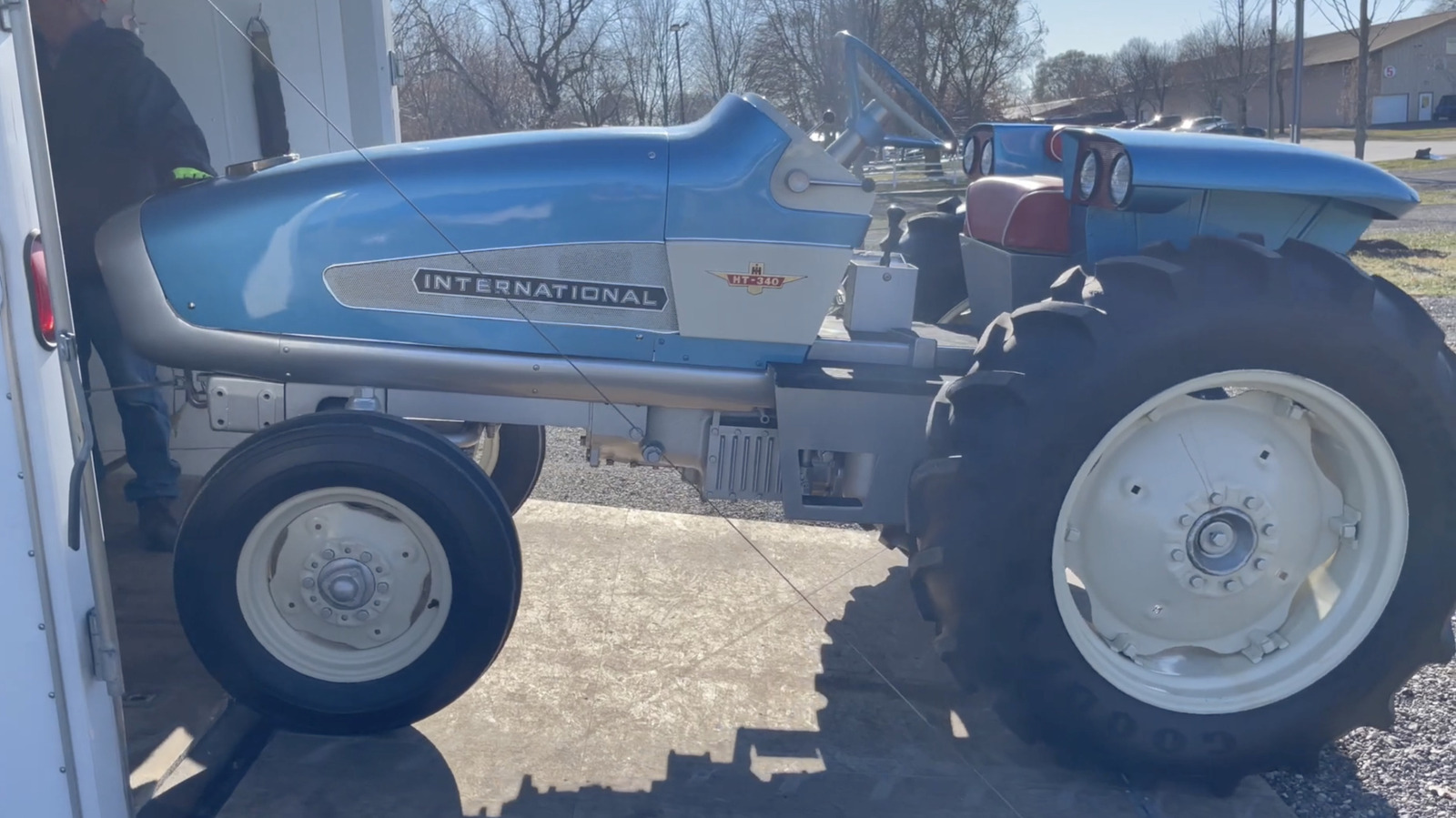
Decades ago, major manufacturers poured money into aviation as a bold alternative to tractors, trucks, and tanks, chasing the promise of speed, flexibility, and new military and commercial roles. This article traces why that idea took hold, what technical directions were explored, the practical problems that stalled wide adoption, and the lasting lessons those experiments left for modern engineering and logistics.
After World War II, engineers and company leaders started wondering if flight could solve stubborn ground problems. They imagined machines that could skip roads, avoid rough terrain, and deploy quickly in battlefield or farm situations. That optimism fueled experimental aircraft, tiltrotors, and hybrid designs aimed at replacing traditional land vehicles.
One big driver was the search for mobility without infrastructure. In many places, roads were expensive, vulnerable, or simply nonexistent, and flying machines promised immediate cross-country reach. That appeal was especially strong for military planners and remote-area farmers who needed tools that could get where wheels could not.
Manufacturers also saw a marketing opportunity: a futuristic vehicle would capture public attention and open new product lines. Aviation had glamour and technological prestige, so businesses poured engineering talent into prototypes. Those projects often doubled as research into engines, materials, and control systems that could feed other product families.
Technologists explored many forms: helicopters, autogyros, powered parachutes, and vertical takeoff and landing concepts that blurred the line between airplane and rotorcraft. Each approach offered trade-offs in lift, control, fuel efficiency, and payload. Engineers juggled those variables to match the needs of hauling cargo, towing implements, or powering armored systems.
In agricultural contexts, the idea of airborne tractors was particularly alluring when terrain was rough or fields were fragmented. An aircraft that could tow equipment or carry loads would bypass muddy paths and steep slopes. Reality, however, kept getting in the way, especially when it came to cheaply and safely moving heavy implements.
For military planners, airborne alternatives promised rapid force projection and the ability to bypass chokepoints. Designers sketched flying armored vehicles and aerial supply platforms that could deploy troops and gear without waiting on bridges or convoys. The complexity of armor, survivability, and sustainment in a hostile airspace proved a relentless obstacle.
Costs quickly became a major factor that undercut the promise of aviation substitutes. Aircraft demand precision manufacturing, maintenance, and trained pilots, and those needs drive up price and logistical overhead. For many buyers, the lower purchase price and simpler upkeep of tractors and trucks won out every time.
Safety and reliability were another low ceiling against mass adoption. Ground vehicles tend to be more forgiving of minor failures and can be repaired or towed with simple tools. Aircraft systems, by contrast, face catastrophic consequences from small faults, making their use in farm fields or front lines a risky proposition without huge investments in redundancy.
Infrastructure trade-offs also mattered. Even if a flying tractor could clear trees and rough soil, it still needed safe takeoff and landing areas, fuel supply, and space for maintenance. Those hidden infrastructure costs often canceled out the advantage of bypassing roads, especially in populated or tightly parceled agricultural regions.
Technological progress has kept some of the original ideas alive in new forms like drones, hovercraft, and VTOL urban air mobility concepts. Smaller, unmanned systems now accomplish many tasks once imagined for full-sized airborne tractors, and they do it more cheaply and with less risk. That evolution shows how core motivations survive even when the original form does not.
The experiments of past decades left engineers with valuable lessons about systems integration, avionics, and materials that matter today. Techniques developed for those ambitious projects migrated into mainstream aviation and vehicle manufacturing. While the dream of wholesale replacement faded, the research yielded tools and insights that improved many other technologies.
Ultimately, the push to substitute flight for wheels taught a clear lesson: innovation is not just about what is possible, it is about what is practical and sustainable. Manufacturers learned to balance ambition with logistics, and the hard choices they faced then still guide design thinking now. The history of those efforts remains a useful case study in how big ideas collide with everyday realities.
