
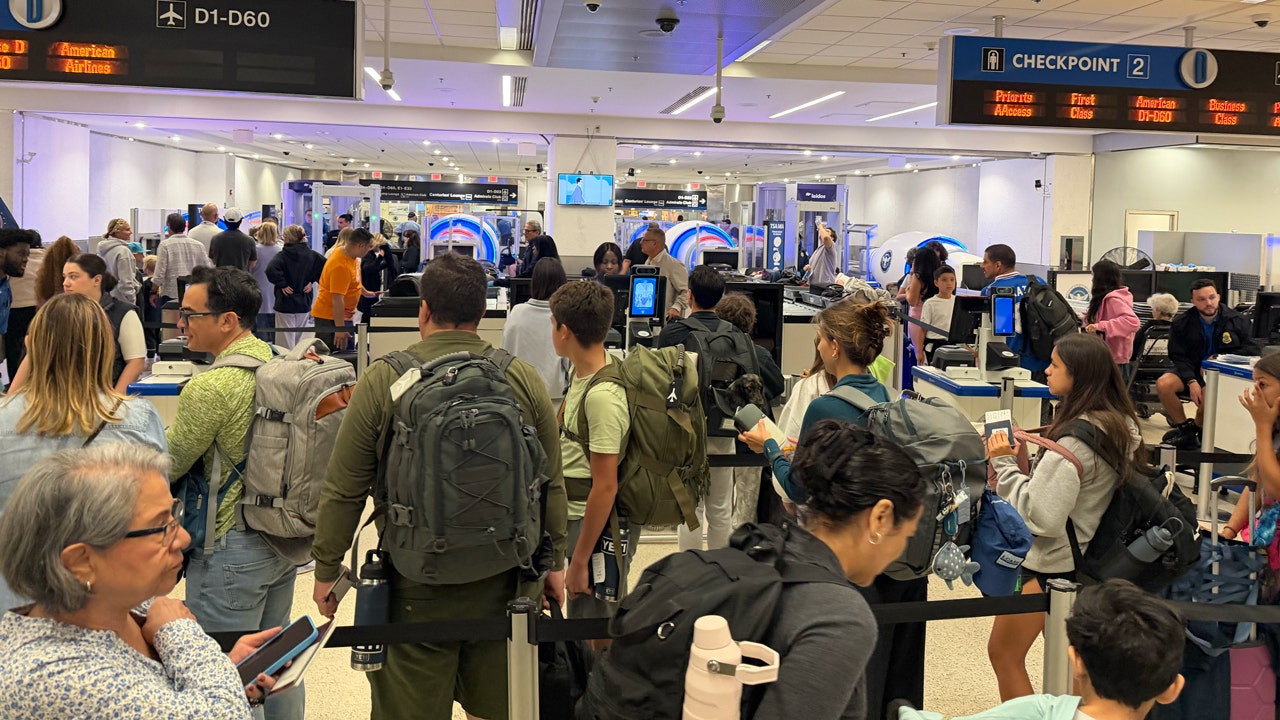
Travelers faced starkly different security lines at major hubs: hours in Atlanta and a smooth, short wait in Orlando. The difference comes down to who runs screening — federal TSA employees versus private contractors under federal oversight. This piece argues, from a Republican perspective, that expanding privatized screening makes sense, would reduce political leverage, and could spark broader reforms across other federal services. I make the case that moving the default to private vendors protects passengers and forces accountability.
On a recent travel day, Atlanta passengers endured five-hour waits while Orlando flyers cleared security in roughly 30 minutes. That contrast is not a fluke; it reflects two operating models. Orlando contracted private firms to manage checkpoints, operating under federal standards but with market incentives to perform. Atlanta relied on TSA staff, who during a funding standoff were absent or demoralized, producing chaos.
The immediate political context matters. When appropriations stall and DHS workers face pay uncertainty, government-run screening becomes a pressure point that can be weaponized. Democrats in Congress used funding leverage tied to immigration demands, creating a situation where travelers pay the price. That kind of leverage should not exist over everyday Americans trying to make their flights.
UNPAID DHS WORKERS ‘DISTRACTED’ AS TERROR THREATS RISE, FUELING AIRPORT SECURITY CONCERNS is a blunt reminder that staffing instability has national security implications as well as consumer pain. Private contractors operate with staffing flexibility and contractual performance metrics that reduce the chance of mass absenteeism. They still follow TSA security protocols and are subject to federal oversight, but they answer to airports and customers when lines get bad. That accountability is missing when a single federal agency runs everything without competition.
LIZ PEEK: VOTERS TELL CONGRESS ‘DO YOUR JOB’ AND END THE DHS SHOWDOWN captures the public mood: voters want functioning systems, not political brinkmanship. Making privatized screening the routine choice removes one easy lever for hostage-taking by opportunistic politicians. Airports that hire private firms can swap vendors if performance dips, creating continuous pressure to improve service and safeguard passengers.
Critics warn privatization risks cutting corners, but the Screening Partnership Program already requires contractors to follow TSA-approved procedures. The difference is incentives: private firms face direct consequences from airports and passengers when they fail. Bureaucracies, by contrast, rarely experience meaningful competition, so poor performance persists without consequences.
Transitioning every major airport would not be instantaneous. Scaling private operations nationwide takes time for procurement, vetting, and training. But starting the shift now would blunt the effect of future shutdowns and give airports the flexibility to manage staffing and technology upgrades. If done right, the change could be largely seamless for the traveling public while delivering steadier service.
Beyond checkpoints, privatization can modernize other aviation functions. Air traffic control is an obvious candidate — private management with public oversight could accelerate tech upgrades that improve safety and capacity. Similarly, letting private entities run targeted workforce training or welfare-to-work programs could produce measurable outcomes instead of bureaucratic box-ticking.
Opponents will argue that privatization hands public responsibility to private interests, but the federal government already outsources many functions effectively when contracts are structured around performance. The question is who is accountable when things go wrong. Private firms competing for contracts put their reputations and margins on the line; agencies insulated from competition face little pressure to fix chronic failures.
Passengers stuck in long lines are the real stakeholders, and policy should start with their interests. Making privatized screening the default would protect travelers from political standoffs and force a culture of responsiveness at airports. If policymakers want a safer, more reliable travel experience that resists being used as leverage, privatization is the pragmatic route that Republican leaders should champion.
