
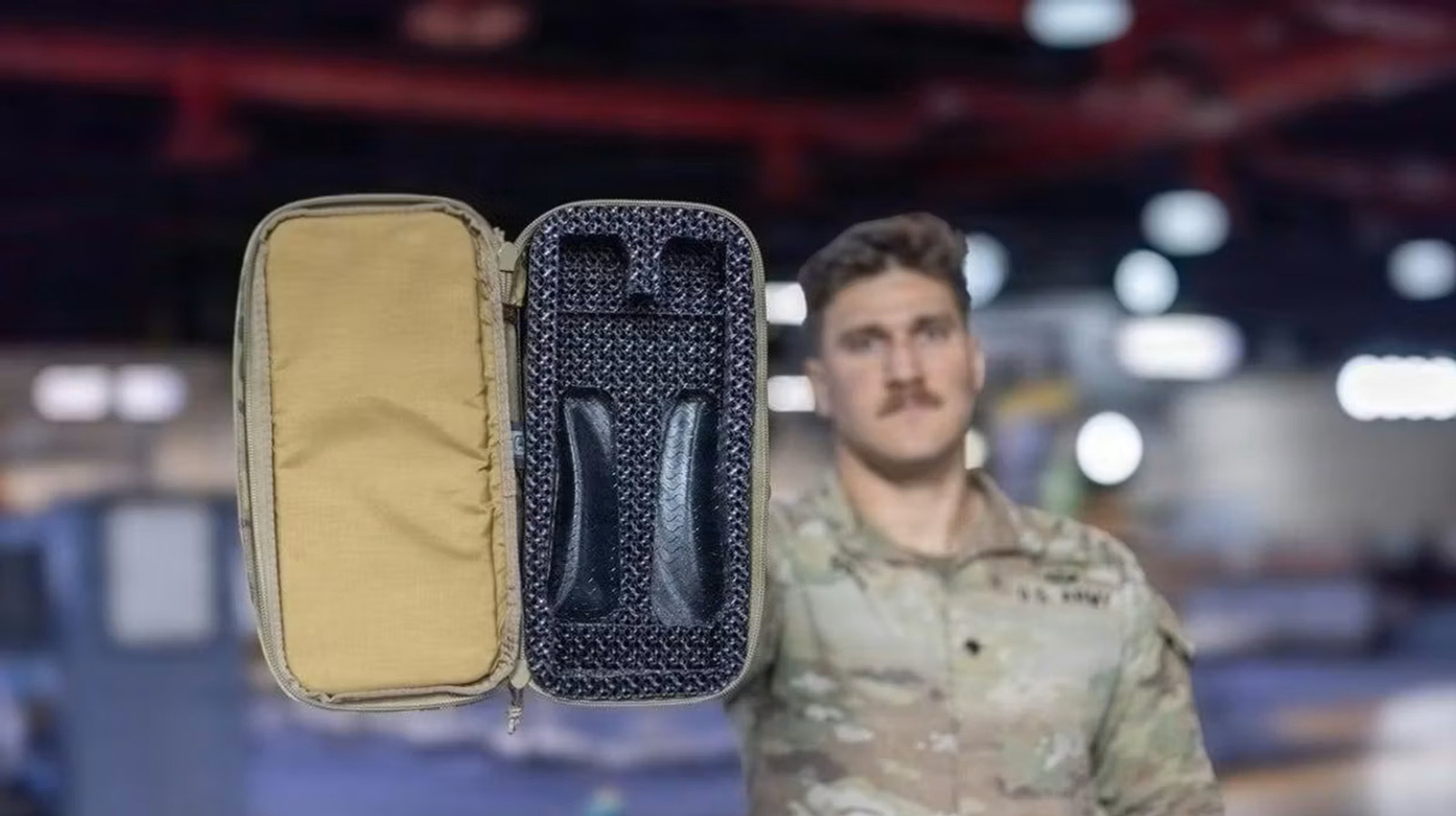
Dragon’s Lair, the military’s take on a “Shark Tank” for defense ideas, has already turned a competition entry into fielded hardware in under a year, signaling a faster lane for practical innovation. The new device moves from prototype to distribution rapidly, drawing attention for how it compresses traditional acquisition timelines. This story looks at how the program worked, what the gadget offers, who’s getting it, and what that speed could mean for future projects.
Dragon’s Lair borrows the pitch-and-fund formula from venture shows but adapts it for mission needs, inviting small teams to solve real problems with bold ideas. The setup rewards prototypes that can demonstrate operational value quickly, and judges weigh feasibility alongside impact. That focus on tangible outcomes lets promising tech avoid long bureaucratic queues that often stall military upgrades.
The hardware itself is compact, ruggedized, and built to address a narrow operational gap rather than attempt a sweeping platform replacement. Engineers prioritized reliability and simplicity so units could be produced and supported without massive logistics overhead. Early reports emphasize durability under field conditions, plus straightforward interfaces so troops can adopt the tool without heavy retraining.
Moving from concept to rollout in less than a year required tight collaboration between inventors, service liaisons, and production partners to lock down specs and manufacturing plans fast. Rapid prototyping labs and short-run production contracts played a big role, allowing early units to reach users while additional refinements continued. That parallel path of deploying working gear while iterating on feedback shortens the overall cycle from idea to impact.
Recipients for the first wave include front-line units that flagged the original need, giving operators a direct path to try the tech where it matters most. Field feedback has been folded back into small revisions rather than wholesale redesigns, and that iterative loop keeps momentum moving forward. Commanders appreciate a tool that answers a specific pain point without creating new burdens in training or maintenance.
The Dragon’s Lair approach challenges the old playbook of lengthy requirements documents, years-long testing phases, and large contracts signed before a single unit ships. It proves that smaller bets on focused solutions can pay operational dividends quickly, especially when decision-makers trust on-the-ground assessments. Still, that speed brings tradeoffs: scaling up production, ensuring cybersecurity, and integrating with existing systems all require careful attention once a device moves beyond initial fielding.
Looking ahead, programs that replicate the Dragon’s Lair model could become a steady source of improvements, especially if acquisition rules and funding authorities adapt to support fast turns. If the Pentagon and industry keep streamlining handoffs from innovators to producers, more mission-driven tools could reach users in months rather than years. The key will be preserving rigorous testing and sustainment planning as more clubs embrace rapid, targeted tech delivery.
