
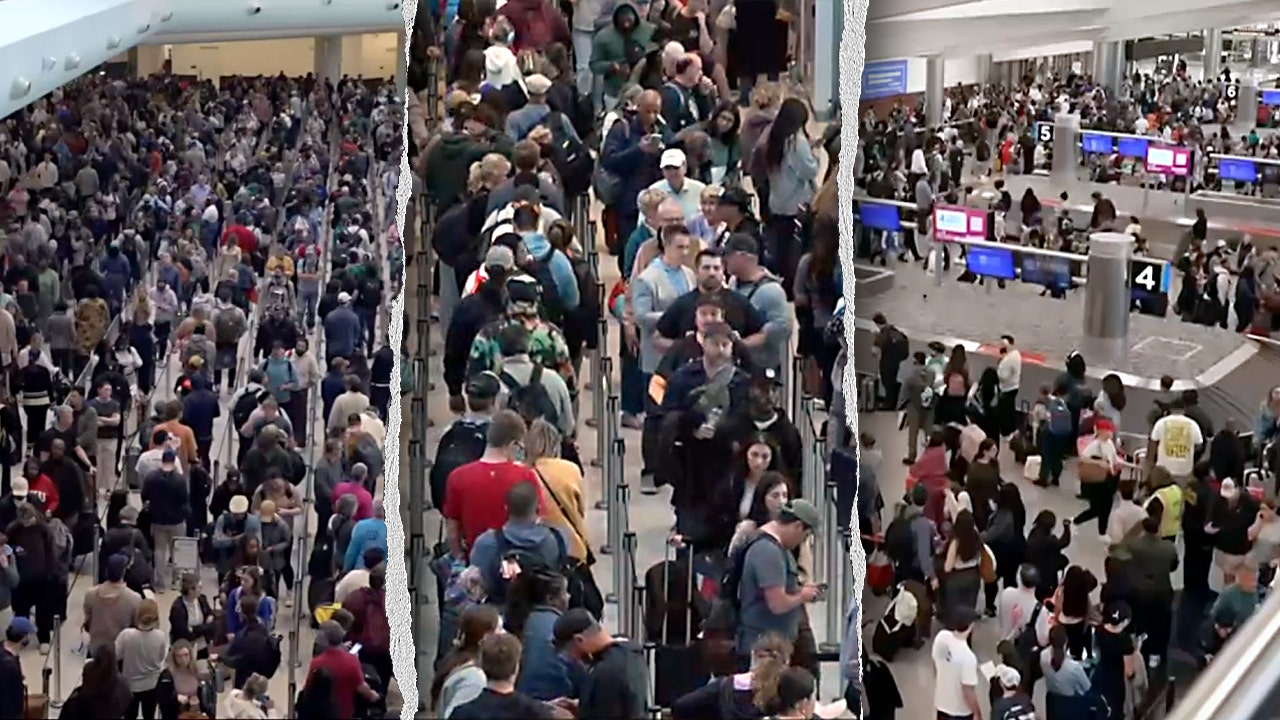
Congress has let a DHS funding fight spill into airport terminals, and ordinary Americans are paying the price. Lawmakers are squabbling over ICE and border policy while TSA staff go unpaid, lines grow, and public trust in Congress tanks. There is a clear fix: separate urgent security funding from the political arguments and use reconciliation to settle the larger immigration fights later.
Travelers are stuck in longer security lines because parts of the Department of Homeland Security are frozen by a political standoff. Democrats are refusing to fund DHS to protest enforcement actions tied to unrest in Minnesota, even though ICE already has funding secured through 2029. The result is that unrelated units like TSA are short on cash and staff, and airports are suffering for it.
Republicans have pushed back on piecemeal offers that would let Democrats pick and choose which DHS components get paid. The GOP believes that carving out only favored pieces rewards political theater and leaves critical enforcement understaffed. That stance aims to force a broader resolution rather than constantly defusing crises stove-piped by partisan leverage.
Meanwhile, public frustration is boiling over and it shows in the polls, where Congress sits at abysmal approval ratings. Voters are fed up watching elected officials bicker while security lines stretch and paychecks stop. That anger is bipartisan in feeling even if blame gets traded across the aisle.
There’s a dangerous upside to demonizing agencies responsible for immigration enforcement: eroding the very mechanisms that track traffickers and people on terror lists. Recent weeks have reminded us that the homeland threat is real, and reducing the operational capacity of agencies created after September 11 is reckless. Long TSA lines are annoying, but cutting security and enforcement is far more serious.
Some concessions have already been offered to Democrats, from body cameras for agents to limits on enforcement in sensitive locations. Further compromises under discussion include tighter warrant requirements that would slow down certain activities. Those are negotiable policy items, but forcing essential security staff to go unpaid is not a responsible bargain chip.
ICE agents have valid safety concerns when activists publish personal information and target officers and their families. Allowing masks protects both their privacy and their ability to work without fear of doxxing or retaliatory harassment. Making agents more visible on purpose only invites more threats against them and discourages good people from serving.
The White House has moved to send ICE personnel to help at airports while the impasse continues, an awkward irony if enforcement agents end up stabilizing the very operations held hostage by the fight. That shift underscores how urgent it is to unclog this mess so TSA and other essential services can function normally. Short-term deployments help, but they are not a substitute for a durable funding fix.
Republicans should take the practical path suggested by some leaders: immediately fund TSA, FEMA, and the Coast Guard, then use reconciliation or a later budget vehicle to resolve ICE and immigration specifics. That approach preserves security now while keeping leverage for policy changes later, including priority items like the SAVE Act. It’s the kind of win-win the public wants — get security back online and then solve the remaining disputes in a way that actually holds people accountable for real policy outcomes.
