
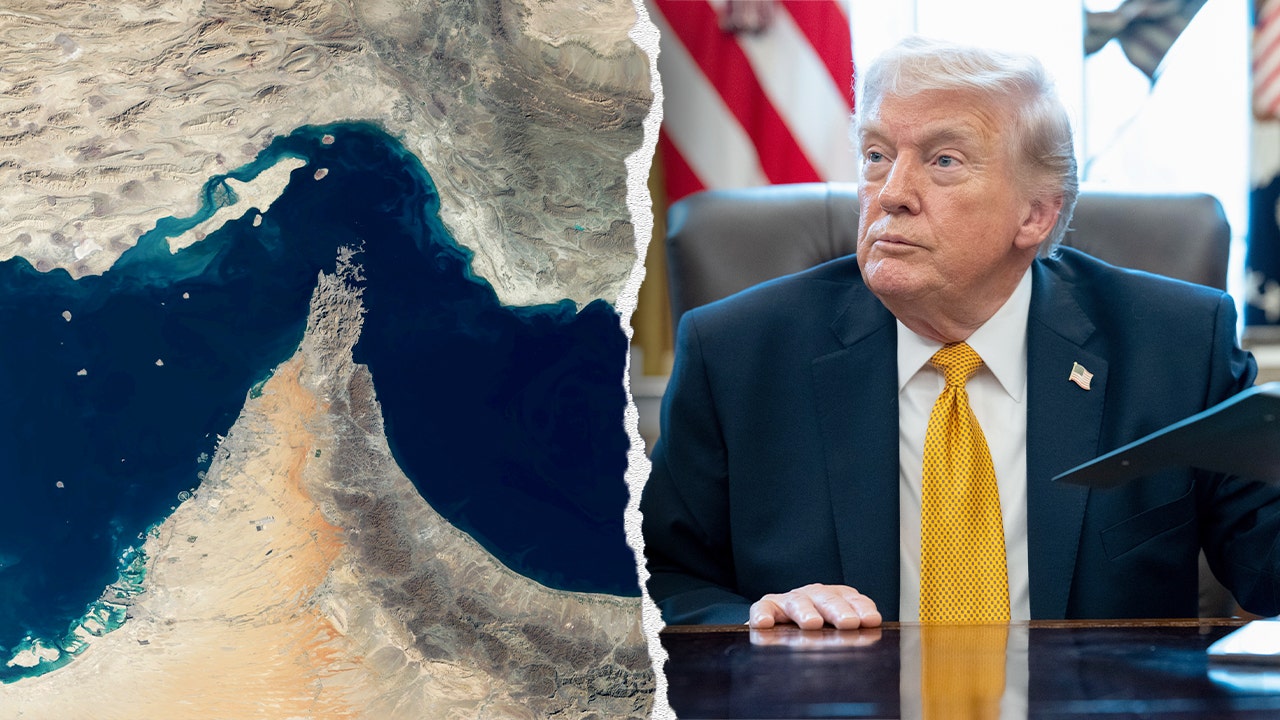
President Trump opened a narrow window for talks even as U.S. and Israeli forces kept pressure on Iran’s military network, a strategy that has visibly degraded Tehran’s capacity and rattled its command. The fighting has exposed a brittle regime that hides among civilians and leans on proxies, while domestic politics in Washington have turned funding and homeland security into partisan battles. The results so far show a weakened Iranian offensive posture, strained global energy routes, and renewed debates about American deterrence and alliances.
The president signaled a willingness to negotiate, though details on with whom are being kept close and quiet, and airstrikes did not pause. Israel continued striking military sites and repression networks, while American operations targeted the regime’s industrial and military nodes. That combination has been relentless enough to fracture Iran’s ability to project precise force in a matter of weeks.
Many pundits are loud, but their angles are predictable—rooted in support or opposition to Trump, to Prime Minister Netanyahu, or to Israel. None of those hot takes will be the final scorecard. The real judgment will come when major combat ends and again after a year of consequences and aftermath.
The tangible success so far is the debilitating of Iran’s leadership and strike apparatus, a blow that likely sows chaos inside the IRGC. With command structures damaged and rivals maneuvering for influence, the regime’s interior tensions are now an operational vulnerability. That chaos undercuts Tehran’s ability to sustain coordinated, credible campaigns beyond scattershot missile launches.
The Iranian regime has proved untrustworthy and unconstrained, willing to attack anyone within range and showing scant regard for civilian lives. Its playbook mirrors that of its proxies—embed among the population, fire indiscriminately, and threaten strategic chokepoints. In plain terms, spraying missiles and menacing the Strait of Hormuz is the best the regime can currently do.
Those threats matter because they can ripple through the global economy, pushing energy buyers and sellers to scramble for alternate routes and suppliers. Even if the Strait is secured by naval escorts, businesses and governments will accelerate diversification away from a region that has become visibly unstable. That shift will reshape markets and logistics for years.
American and Israeli intelligence have peeled back the curtain on Iranian leadership layers, gaining deep insight into the decision makers and any successor cells if the regime endures. That knowledge lends precision to ongoing operations and reduces the fog of war that often empowers rogue actors. It also deprives Tehran of the secrecy it needs to coordinate wide-ranging attacks.
President Trump’s actions have reasserted American deterrence after the strategic losses elsewhere, and they have tightened the U.S.-Israel security bond to a practical, operational partnership. At the same time, the crisis exposes a split in Europe between exhausted old partners and new frontline states that are willing to shoulder risk. The geopolitics of the next decade will look different because of who showed up and who did not.
Meanwhile, partisan maneuvering in Washington has been stark. Democrats repeatedly left key homeland security funding stalled, turning a national security necessity into a political stunt at a dangerous moment. The Pentagon’s request for additional conflict funds is substantial, and Republicans should press for a reconciliation path that supplies what the military needs and secures the homeland for years, not headlines.
Republicans have a clear messaging advantage if they make security the centerpiece—domestic and international. Voters judge who will keep them safe and who will play politics when the nation faces danger, and right now the contrast is raw and visible. If the GOP focuses decisively on defense and border security, it can translate strength into real political gains without surrendering principle.
