
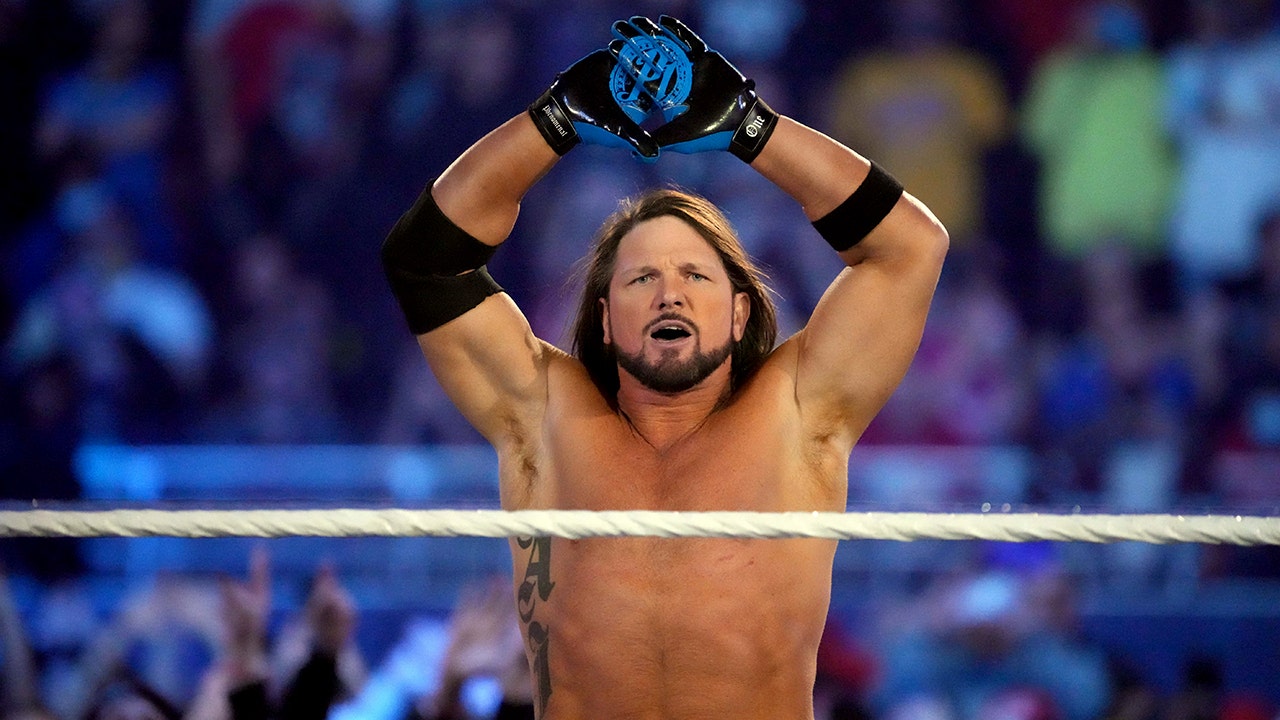
Kelani Jordan talked about a quick hallway conversation with AJ Styles after the women’s Royal Rumble match and shared that she wanted to try the Phoenix Splash, the high-flying move Styles helped popularize; this article expands on that exchange, the move’s history, the risks and rewards of attempting it, and what it could mean for her trajectory in WWE NXT.
Kelani Jordan made a noticeable impression during the women’s Royal Rumble with a mix of athleticism and poise that turned heads. She’s an emerging talent whose in-ring style blends agility and bravado, and that night left fans and veterans alike curious about what she might do next. That kind of attention makes a brief encounter with someone like AJ Styles more than a footnote; it becomes a potential pivot point in a young star’s career.
The moment with AJ Styles was short but meaningful, the kind of backstage exchange wrestlers remember because of who it involved. AJ is a living legend whose signature moves and ring psychology carry weight in locker rooms across promotions. When Jordan described their chat, she framed it as a respectful nod from a veteran rather than a formal proposal, and that tone matters in a business built on timing and trust.
The Phoenix Splash is a dramatic top-rope corkscrew senton that flips offense into an exclamation point, a move AJ Styles popularized and fans still buzz about. It’s beautiful because it reads well on camera and looks devastating in execution, but it also demands precision, core strength and a trust in one’s ability to land safely. For anyone considering adding it to their repertoire, the math is simple: reward equals risk, and that equation shapes training choices and match planning.
Kelani saying she wanted to try the Phoenix Splash signals ambition and a willingness to expand her toolkit, not a reckless grab for highlights. Attempting a prototype like that requires hours of work on fundamentals, a phased approach to drilling rotation and landing mechanics, and buy-in from coaches and opponents. In NXT’s environment, where young wrestlers refine moves with a safety-first mindset, that process would be supported but still carefully monitored.
AJ’s reaction matters because wrestlers talk and reputations follow, and a veteran’s green light can open doors. If AJ encouraged her, it’s a tacit endorsement that could lead to more opportunities and a faster learning curve in high-profile matches. Even a brief compliment from someone of his stature tends to ripple outward, influencing how writers, producers and other wrestlers view a performer’s ceiling.
Fans online noticed the interaction and immediately began speculating about what it might mean for upcoming NXT shows, with clips and reactions spreading on social platforms. Those reactions are a double-edged sword: they can build momentum and buzz, but they also build expectations that a young wrestler must meet. How Kelani responds on social and in follow-up interviews will shape the narrative as much as any in-ring attempt to execute the move.
From a booking standpoint, adding a high-risk, high-reward maneuver like the Phoenix Splash could vault Kelani into a different tier of match types and rivalries, especially in programs where aerial offense changes story beats. It could also become a signature that defines an act, provided she and the creative team commit to protecting her body and pacing the progression. The real test will be balancing ambition with sustainable growth so she can keep evolving week to week without unnecessary setbacks.
