
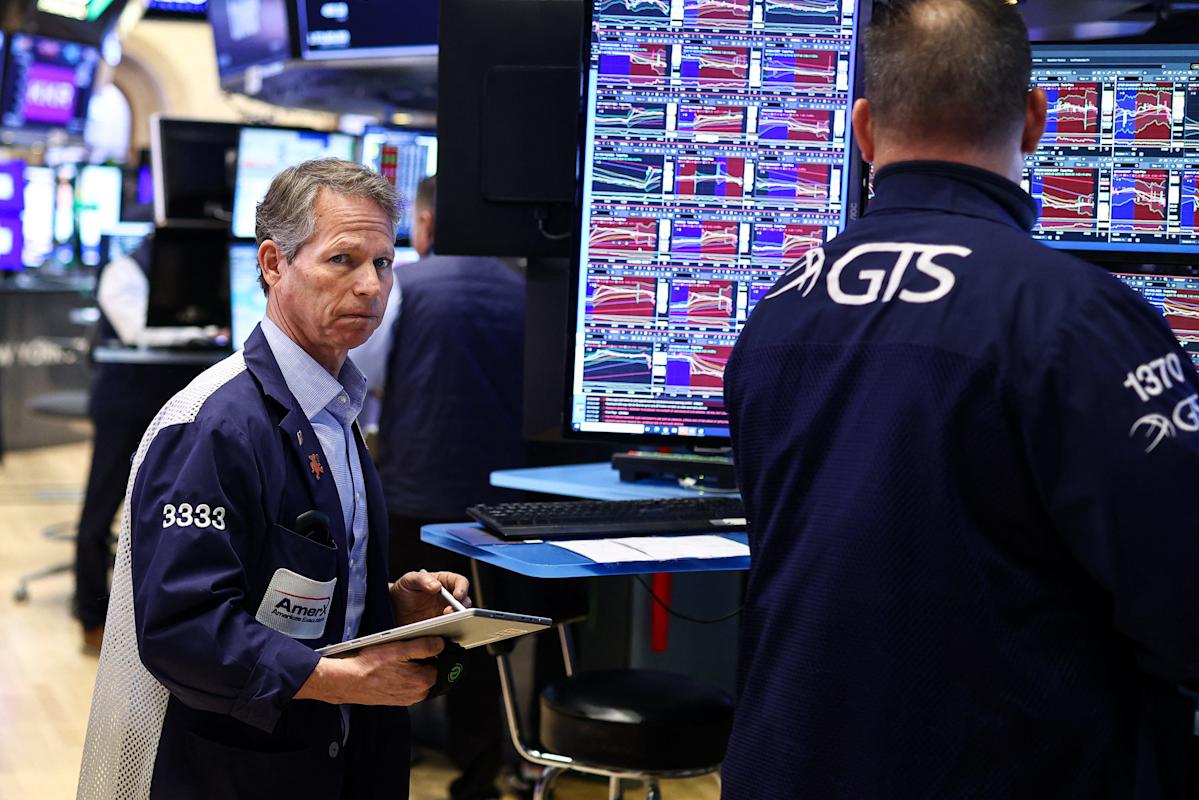
When stocks slide, the immediate gut reaction is stress and action, but this piece lays out calm, practical steps to protect a 401(k) and possibly take advantage of lower prices. You’ll read why selling in a panic usually hurts, how staying invested can reward you, and where opportunities to buy on discount may lie.
Markets are jittery after a string of shocks: geopolitical flareups, rising energy costs and renewed inflation worries have rattled investors. Those forces make headline noise, but they are not the same thing as a fundamental change to your retirement plan. Long-term accounts like 401(k)s are built to absorb short-term shocks, not to be micromanaged around every market headline.
The reflex to sell when the market drops can feel smart and decisive, but it often backfires. Panic-selling locks in losses and removes you from the days when rebounds happen. The basic investing rules still hold: buy when prices are low, sell when they’re high, avoid impulsive moves and stick to your plan.
Trying to pick the bottom is a risky game with bad odds for most people. “Any time you’re trying to avoid a downturn, the risk of being wrong is pretty high,” said Peter Lazaroff, a certified financial planner in St. Louis, speaking to USA TODAY in 2025. “And you have to be correct twice.”
Market timing fails because you must correctly guess two moments: when to get out and when to get back in. Those perfect entry and exit points are rarely obvious even to professionals, and missing a few big up days can ruin the benefit of sitting out a slump. “So often, some of the absolute worst days in the market are in close proximity to some of the absolute best days in the market,” said Kristy Akullian, head of iShares investment strategy, Americas, at BlackRock, speaking to USA TODAY in 2025.
There’s a real payoff to staying connected to the market through downturns. “The benefit of staying invested is, you’re going to be in the market on the days when there are the biggest gains,” said Patrick Means, vice president and branch manager at a Schwab branch in Dallas, speaking to USA TODAY in 2025. Those big gain days often follow sharp selloffs, so being out of the market can mean missing the recovery.
Discipline matters more than clever timing. Keep contributions flowing, maintain your target asset mix and rebalance when your plan calls for it rather than reacting to daily headlines. Following a written investing plan reduces emotional decisions and tends to produce better long-term outcomes than impulsive shifts.
“You can’t control the markets. You don’t know what they’re going to do,” said James Martielli, head of investment and trading services at Vanguard, speaking to USA TODAY in 2025. “You can control yourself by not making emotional decisions.”
If you won’t need the money for years, volatility is mostly an annoyance, not a crisis. “If you need funds soon, don’t have it invested,” said Randy Bruns, a certified financial planner in Naperville, Illinois, speaking to USA TODAY in 2025. “If you don’t need the funds for 15 years, stop looking at the volatility.”
That window is exactly why downturns can be buying opportunities for long-term savers. A correction means prices are lower, so regular contributions buy more shares. If individual stocks feel too volatile, broad index funds and many ETFs offer instant diversification and tend to be less risky than single-stock bets.
Some funds are designed to cushion swings and aim for steadier returns, which can be worth considering inside a retirement plan for nervous savers. If you prefer lower sensitivity to market gyrations, look for funds with a minimum-volatility mandate or a more conservative mix. Whichever route you pick, focus on low fees, a clear plan and predictable saving habits rather than chasing hot tips.
Automatic contributions and occasional rebalancing take emotion out of the process and turn market dips into disciplined buying opportunities. Keep your time horizon in mind, maintain diversification across stocks and bonds, and let compound growth work for you rather than trying to outguess the market.
