
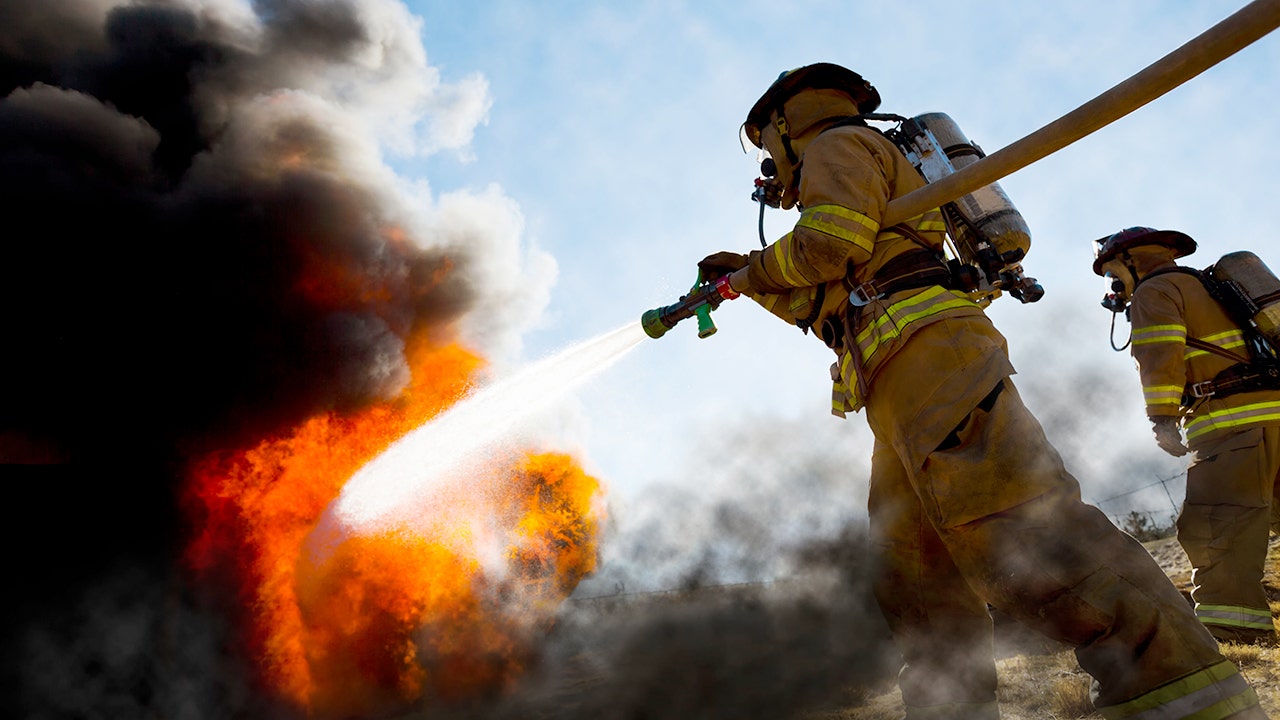
First responders face unique, long-term health risks that cut into life expectancy, but small, consistent health habits, targeted testing and better recovery routines can make a measurable difference for those on the front lines.
Firefighters and other emergency personnel routinely face invisible hazards — smoke, chemicals and heat — that pile up over a career and show up as chronic disease later in life. Experts point out that these occupational exposures, mixed with disrupted sleep and intense physical stress, are a recipe for accelerated health decline. Recognizing that pattern is the first step toward changing it.
“For me, it’s personal,” said the Sacramento firefighter of nearly 30 years. “I lost both my parents to cancer … and I learned early in my career that heart disease and cancer are what take firefighters out.” He explained that the immediate dangers of the job are only part of the story.
“We don’t necessarily usually die in a fire. We die years later from what the job does to us.” Those words underline how delayed effects — not single catastrophic events — drive the shortened lifespans seen among first responders. Memorials and lost retirements are grim reminders that the toll is often paid after service ends.
“I’ve stood at memorials for people who have never made it to retirement,” he said. “Even for some of our members and firefighters who do retire — a year or two after that, that’s when they pass away. That really stays with you.” The emotional weight of those losses pushes some departments to prioritize prevention and follow-up care.
“When you combine repeated exposure to toxic chemicals and carcinogens with the extreme physical and physiological stress of the job, it creates a perfect storm for chronic disease to accelerate much faster than it would in a typical office environment,” Henry said. Medical leaders recommend treating occupational risk like any other public health problem: identify, monitor and act early.
A practical mindset shift matters: “When we run into burning buildings, it’s really the invisible exposures over decades that threaten our lives,” he said. “Being strong doesn’t cancel out toxic exposures or sleep deprivation.” That’s why resilience alone isn’t enough; prevention and recovery routines must be standard operating practice.
“We inspect our rigs, and we inspect our equipment all the time. We’re always checking those boxes and making sure we’re ready to go,” he said. “And it shouldn’t be any different [with] our health.” Turning self-care into routine maintenance creates consistency that stacks up over a career.
Beyond annual physicals, biomarker testing and wearable data can illuminate early warning signs that standard exams miss. Tracking heart health, inflammation markers and sleep quality gives firefighters concrete metrics to act on, not just general advice. That data-driven approach helps catch cardiovascular strain before it becomes a crisis.
“Sleep is the single most important variable in that equation,” she said. “I know how difficult that is with a firehouse schedule, but when you are off-shift, you have to be disciplined about a strict sleep environment to let your body repair the damage.” Prioritizing recovery windows can change how the body withstands repeated stress.
“You need to understand your own biomarkers so you can spot the early warning signs of cardiovascular strain long before it becomes a crisis,” she advised. Simple, measurable targets beat vague goals every time, and they make it possible to tune training and rest for long-term benefit. Small, consistent improvements add up.
“If a plan is too aggressive … you’ll never actually adopt it into your daily life,” Henry warned. “It’s about making the changes that are realistic enough to stick.” That might mean aiming for a protein target, cutting alcohol, or adding a short strength routine that protects muscle and metabolic health.
Supplement strategies can fill gaps when shifts disrupt meals and recovery. A basic “longevity stack” might include creatine for muscle and cognitive support plus a clean protein source to hit nutritional needs during long days. Those are practical fixes, not miracle cures, but they help maintain resilience.
“Too often, the cumulative toll never shows up on a routine physical and isn’t apparent until it’s already a crisis,” she said. That’s why some programs now pair biomarker screening with personalized plans for thousands of first responders, aiming to build long-term datasets that map exposures to outcomes. “We’re talking about tracking biomarkers against known occupational exposures … across thousands of firefighters, over years,” Henry said.
“That data could rewrite what we know about how this career affects the human body.” With better tracking, clearer recovery rules and small, sustainable habit changes, the career that keeps communities safe can become safer for those who answer the call.
