

A UK tribunal has allowed a Bangladeshi migrant known as MM to stay, finding that deporting him would likely mean a lengthy prison term based on an in absentia conviction tied to political activity; the judges concluded the charges were politically motivated and that the risk of detention on return remains real even after political turnover in Dhaka.
MM told the court he served as a “political leader” of Islami Chhatra Shibir, the student arm of Jamaat-e-Islami, and maintained the bomb charges were fabricated to punish his politics. Court papers showed he was sentenced to 20 years and that outstanding arrest warrants exist, and the tribunal accepted those documents as genuine evidence in the appeal. That factual acceptance set the legal foundation for the tribunal’s protection decision.
const observer = new MutationObserver((mutations) => { const adDivToHide = document.querySelector("#dailycaller_incontent_1"); if (adDivToHide && dc_noads_page) { adDivToHide.classList.add("hide-premium", "hide-free"); observer.disconnect(); console.log("Ad div found and hidden"); } }); observer.observe(document.body, { childList: true, subtree: true });
The Home Office argued the practical threat had diminished because political control in Bangladesh shifted after the Awami League left power in August 2024, and officials suggested reprisals were less likely now. The tribunal’s judge, Madeleine Reeds, disagreed and pointed to preserved findings showing the conviction rooted in political targeting rather than ordinary criminal conduct. Reeds also noted that key figures and supporters of the prior regime still influence parts of government and law enforcement.
A United Nations probe that documented up to 1,400 deaths during unrest informed the wider context the judges considered, and the tribunal treated those findings as relevant to the risk analysis. Judges concluded MM faced a “reasonable likelihood” of detention if sent home, and that bail prospects were uncertain even when political motives were clear. That legal reality steered the tribunal toward allowing his appeal and preventing deportation.
(new Image()).src = 'https://capi.connatix.com/tr/si?token=739c4263-c671-4316-b7cf-ecd244900844&cid=9c4d09f1-aa3e-4da1-ad63-362d562ecfad'; cnx.cmd.push(function() { cnx({ playerId: "739c4263-c671-4316-b7cf-ecd244900844" }).render("59f64f116598417b8d610477330f5a3e"); });
This case lands squarely in the tension between protecting the genuinely persecuted and guarding the integrity of immigration systems, a balance Republicans insist must favor both security and fairness. From a conservative perspective, decisions like this deserve scrutiny: we should protect political refugees but not create perverse incentives for misuse of asylum. That means stronger, faster vetting and clearer standards so genuine claims are prioritized while borders and law enforcement authority are preserved.
The tribunal’s reasoning shows courts will probe the provenance of foreign convictions and assess whether those cases are backdrops for political revenge, not only crimes. For governments, the lesson is blunt: if a justice system is perceived as weaponized, democratic allies will face pressure in domestic courts to refuse deportation. That pressure complicates diplomatic ties and demands a robust, transparent process for reviewing foreign convictions.
const observer2 = new MutationObserver((mutations) => { const adDivToHide2 = document.querySelector("#dailycaller_incontent_2"); if (adDivToHide2 && dc_noads_page) { adDivToHide2.classList.add("hide-premium", "hide-free"); observer2.disconnect(); console.log("Ad div2 found and hidden"); } }); observer2.observe(document.body, { childList: true, subtree: true });
MM will remain in the United Kingdom while the legal machinery runs its course, and the tribunal’s finding that bail might not be forthcoming was decisive. Cases like this will test domestic political will and legal patience: conservatives will press for tougher scrutiny and clearer rules, while defending the principle that people who genuinely face politically motivated imprisonment deserve a haven. Expect more contentious hearings where foreign political change and domestic asylum law collide in plain view.
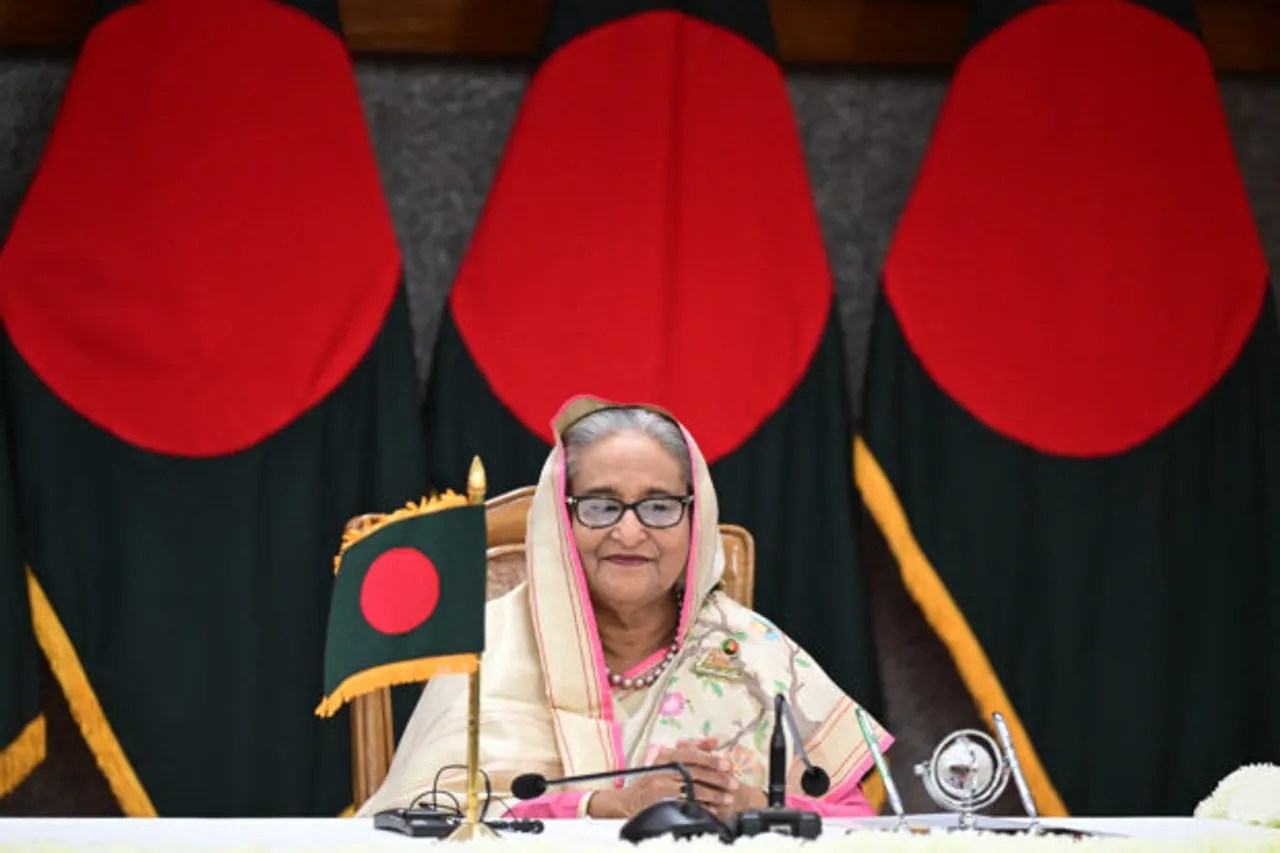
Bangladesh’s Prime Minister Sheikh Hasina attends the bilateral agreement signing ceremony in Dhaka on April 23, 2024.
