
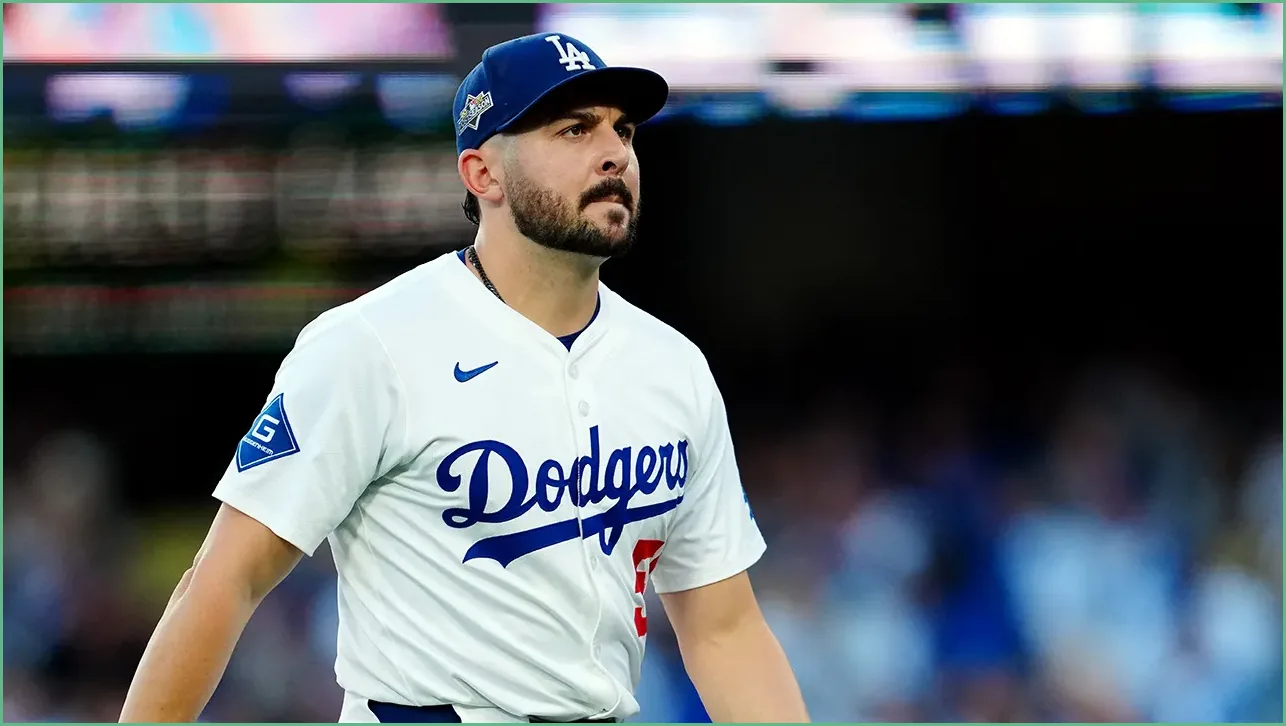
Los Angeles Dodgers pitcher Alex Vesia announced on social media that his infant daughter Sterling died in late October, and he’s receiving support from the team. The news landed quietly but painfully in baseball circles and sparked an outpouring of empathy from fans and colleagues. This piece looks at what happened, how teams typically respond, and what that support can mean for a grieving player.
Vesia’s announcement was brief and private, shared where many athletes choose to speak directly to their communities. When public figures face personal tragedy they often blur lines between private grief and public attention, and that was immediately apparent here. The Dodgers organization has been cited as offering support, a common practice when players confront family emergencies.
Athletes are not immune to the raw, ordinary heartbreak that touches so many families, but their grief gets filtered through locker-room dynamics and media coverage. That dual reality can complicate the healing process: players must manage their emotions while teammates, coaches, and the public respond. Teams are increasingly aware of the need to accommodate those pressures and to create space for recovery without forcing a public timeline.
Professional clubs typically provide a mix of practical and emotional assistance after a loss, from paid bereavement time to counseling and spiritual care. These measures aim to protect both the player’s mental health and the team’s cohesion, allowing teammates to step in while medical and support staff coordinate next steps. Saying that support exists is one thing; making it meaningful depends on how it’s delivered and how the player wants to grieve.
Social media reactions poured in as news spread, with many fans offering condolences and words of comfort. Public sympathy can be a double-edged sword: it brings community and care, but also waves of attention that can feel intrusive during private sorrow. Families and clubs often ask for privacy for that reason, reminding well-wishers that compassion is most helpful when it respects boundaries.
Grief after an infant loss carries unique dimensions of shock and unanswered questions, and mental health professionals stress that tailored support matters. Leagues and player associations typically have resources available, and teams may connect players to specialized counselors, peer support groups, and bereavement specialists. The goal is to provide options so a grieving parent can choose the pace and type of help that feels right.
The way teammates respond also shapes the recovery environment; small, heartfelt gestures often matter more than grand public displays. Quiet presence in the clubhouse, checking in privately, and covering practical responsibilities are the kinds of actions teammates commonly take. Those gestures build a safety net that helps players return to daily life when they’re ready, without obtrusive media pressure dictating the timetable.
In the aftermath of personal tragedy, the most meaningful public responses tend to be respectful and restrained, focused on support rather than spectacle. Fans who want to help can offer condolences and respect the player’s privacy, letting the family guide any public interaction. As the season moves on and life continues, that quiet solidarity is what often carries people through the hardest days.
