
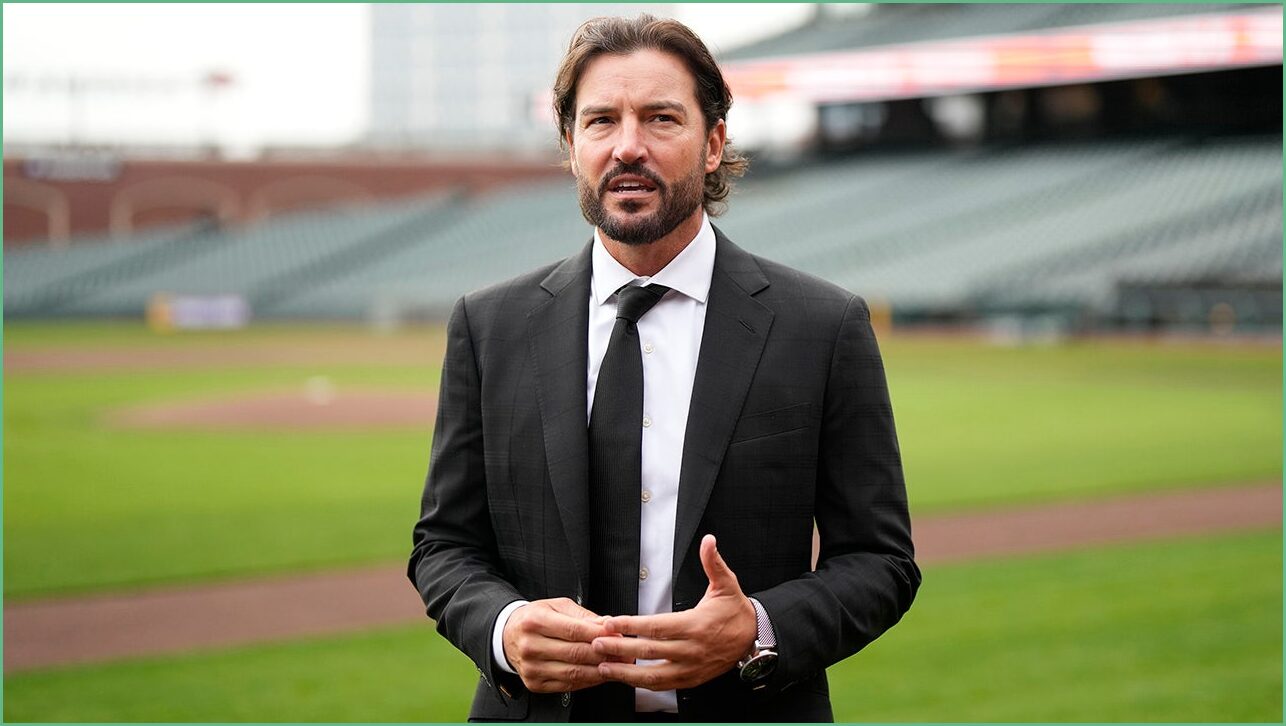
Tony Vitello, now the manager of the San Francisco Giants, stirred debate by blasting the rise of NIL in college sports and calling the system a “mess.” This piece examines his critique, the trends driving NIL’s growth, how it affects recruiting and professional pathways, and what teams and fans might expect next. The article keeps a clear focus on Vitello’s remarks and the broader, practical fallout for athletes and programs.
Vitello’s comment landed in a national conversation about fairness and structure in college athletics. He called the current NIL landscape a “mess.” That blunt verdict reflects frustration many coaches and observers feel about uneven rules and sudden money flows.
At the core is a no-longer-theoretical market where college athletes can monetize their fame. That has reshaped recruiting by adding a business layer to decisions that used to be about fit and development. Coaches now juggle talent evaluation with the realities of outside financial relationships.
From a program perspective, NIL creates both opportunity and complication. Schools can tout brand partnerships as recruiting advantages, but those deals often depend on local boosters and market size. That disparity feeds an arms race between programs, leaving smaller schools scrambling to keep pace.
Players themselves face mixed consequences from the NIL era. Some walk away from college with meaningful earnings and enhanced platforms. Others find the added expectations distracting, complicating team chemistry and day-to-day focus on development.
The professional pipeline is also affected, especially for sports where college play is a common route to the pros. Scouts must separate on-field performance from an athlete’s off-field earnings and marketing headline. That makes evaluating long-term upside more complex than in the past.
Vitello’s transition from college coach to MLB manager adds weight to his statement because he’s seen both worlds. Managing at the major league level requires focus on performance and clubhouse unity, which can clash with external business activities in younger players. His perspective spotlights how disruptive uneven compensation systems can be to team dynamics.
Policy responses have lagged behind the rapid growth of NIL opportunities. State-by-state rules, university guidelines, and platform-specific deals create a patchwork instead of a coherent national framework. Many stakeholders are calling for clearer national standards to level the playing field and protect athletes’ interests.
Practical fixes under discussion range from standardized disclosure rules to limits on third-party influence around recruiting. Those ideas aim to reclaim some predictability without stripping athletes of earning power. The challenge is balancing athlete autonomy with competitive integrity.
Fans and alumni are watching how clubs and leagues will adapt, especially those who care about long-term talent pipelines and the purity of competition. For teams like the Giants, integrating a leader who’s outspoken about these issues could signal a focus on culture and clarity. Vitello’s blunt take has opened a fresh conversation about where college sports go from here.
