
Gavin Newsom’s successful push to replace California’s independent map with a Democratic-drawn plan shoved two incumbent Republicans into the same seat, and now Ken Calvert and Young Kim are preparing for a bruising intra-party fight in the newly drawn 40th District.
California voters approved Proposition 50, a move that hands mapmaking back to a Democratic-controlled legislature and out of the independent commission. Republican critics say this was an obvious power grab designed to lock in partisan advantage after Texas carved out more Republican seats. The change will ripple across several districts and force politicians to make hard choices about where and whether to run.
Two long-serving Republicans quickly announced bids for the new district, setting up a rare primary battle between incumbents. “Californians in the newly drawn 40th District deserve a proven conservative they can trust and a fighter who has delivered results for Riverside and Orange County for decades. No one else comes close to my record of service to the new 40th,” Calvert said in a announcing his run under the new lines. “I look forward to helping President [Donald] Trump to deliver lower taxes, to bring down housing costs, secure our borders, make our streets safe and bring real results to the families of this district for years to come.”
The new 40th looks much friendlier to Republicans than the competitive districts Calvert and Kim currently occupy. Analysts estimate the map would have given Trump a double-digit edge if it existed in 2024, creating a different set of incentives for both incumbents and the party. That shift turns what would have been tough general election fights into an intense Republican showdown instead.
Ken Calvert brings deep experience to the contest, serving in Congress since 1993 and earning status as one of California’s most senior GOP voices. His long tenure means established relationships with local power brokers and donors, and he points to a track record on fiscal issues and public safety to make his case. Voters familiar with his name are likely to factor seniority and old alliances into their primary choices.
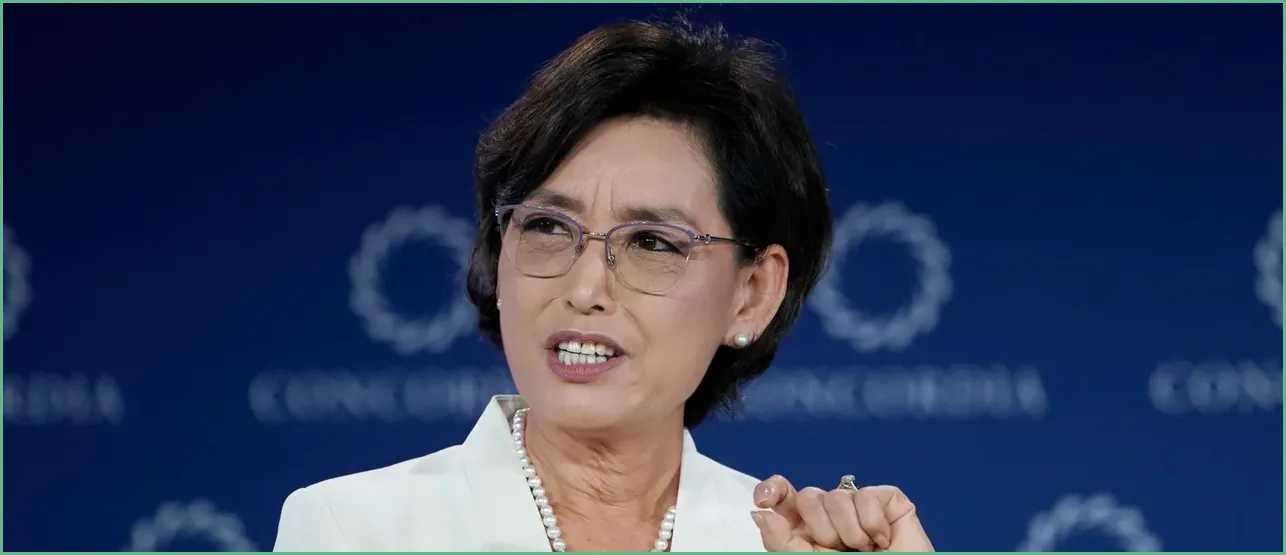
Young Kim is pitching a different appeal: she’s a tested fundraiser and a pragmatic campaigner who has won tight races before. “Kim currently represents nearly 175,000 registered voters in the new 40th district: approximately 35% of total registered voters and over 42% of all high-propensity Republican voters. Kim is also the only current California Member of Congress representing both Orange and Riverside counties, giving her strong, broad-based support heading into the election,” the read. Her message focuses on securing the border, lowering costs, and defending conservative priorities.
Kim’s campaign points to impressive numbers on fundraising and grassroots engagement, framing her as the candidate with the resources to outwork opponents on the ground. “This cycle, Kim has broken personal fundraising records, raising over $5 million cycle-to-date with over 42,500 unique conservative grassroots donors. This surge of support shows voters want a proven America First champion like Kim to take the fight to the radical Democrats and help President Trump unleash the Golden Age and undo Joe Biden’s disastrous legacy,” added the statement from the congresswoman’s office. That financial edge could matter in a competitive primary where both name ID and get-out-the-vote muscle count.
For Republicans across California, the forced matchup is a test of who can best translate conservative ideas into votes in a reconfigured landscape. The district’s new partisan tilt means the eventual nominee will likely be decided by primary voters, making messaging to the base essential. Expect both campaigns to lean hard into issues like border security, economic relief, and public safety to draw clear contrasts.
Local activists and donors will have to choose between experience and energy, track record and fundraising momentum. Outside groups may also see this as an opportunity to shape the nomination, pouring resources into ads and mail to tip the balance. That outside involvement could raise the stakes and turn a local fight into a statewide signal about where California Republicans are heading.
Spokespersons for both campaigns did not immediately respond to requests for comment, and voters in the new 40th will now watch how candidates position themselves and marshal support. With the map baked in for the rest of the decade, this is the kind of intra-party contest that will set the tone for how California conservatives fight back in a state where the rules have been rewritten against them.
