
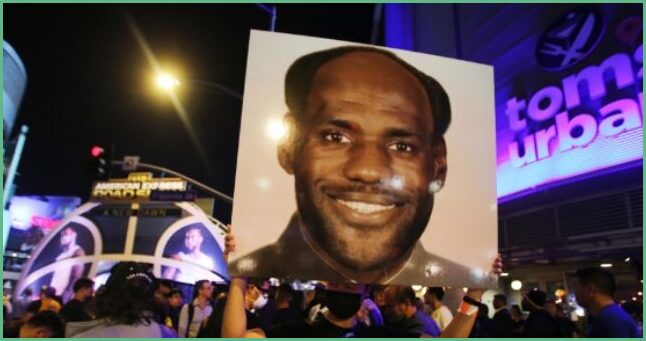
The NBA is finally staging its first games in China since 2019, and the announcement landed with a political thud. League leaders say they will “learn” how to bend to Chinese communist rule, a pledge that already has fans and lawmakers sharpening questions. From a Republican vantage, this is a moment to judge whether American institutions protect core freedoms or simply chase foreign markets.
There is no denying the financial logic: reopening China restores a major audience and revenue stream that faded after 2019. Still, profit cannot be the sole north star when basic liberties are at stake. When organizations adapt their behavior to placate authoritarian power, they risk losing credibility at home.
The NBA faces a real tension between commerce and principle, and how it navigates that tension will matter. Fans, sponsors, and athletes will all read the league’s choices as a signal about where it places values. Republicans will press for consistency and clear rules so the league does not trade American norms for access.
Athletes deserve protection when they voice opinions, and teams should not be put in positions where foreign pressure effectively censors American speech. If the return to China produces informal red lines, players may self-censor and the product fans love will be dulled. The NBA should clarify how it will shield players and staff from coercion tied to international deals.
Consumers have influence; attendance, subscriptions, and viewership matter. Corporate partners should weigh whether aligning with a league willing to make concessions to authoritarian expectations matches their brand and values. How sponsors react will be a powerful metric of how comfortable the market is with these tradeoffs.
There is also a role for lawmakers to play in oversight without micromanaging private deals. Republican legislators can demand transparency about any accommodations and push for safeguards that prevent censorship by proxy. Public scrutiny does not ban commerce, but it does require honesty about what was traded to secure access.
Words matter, and saying the league will adapt to authoritarian expectations reads as a troubling concession in plain language. Fans and members of Congress should insist on concrete policies that protect free expression and limit behind-the-scenes compromises. If the NBA wants to return on terms Americans can accept, it must set enforceable boundaries.
Union leaders and team owners should work together to create clear protections for free expression and safety when global interests collide. That could include contract clauses, transparent reporting of diplomatic requests, and independent review when government demands clash with league policy. Those steps protect athletes, shield sponsors from surprise controversies, and give fans confidence that principles are not negotiable.
If the NBA lets commercial appetite dictate its stance on basic rights, expect other cultural and corporate institutions to follow suit. Conservative voters and business leaders should make their preferences known so companies realize access is not a substitute for integrity. The league can succeed in China without surrendering the freedoms that make American sports worth watching, but it will take clear rules and the courage to enforce them.
n
h/t: Breitbart
n
