
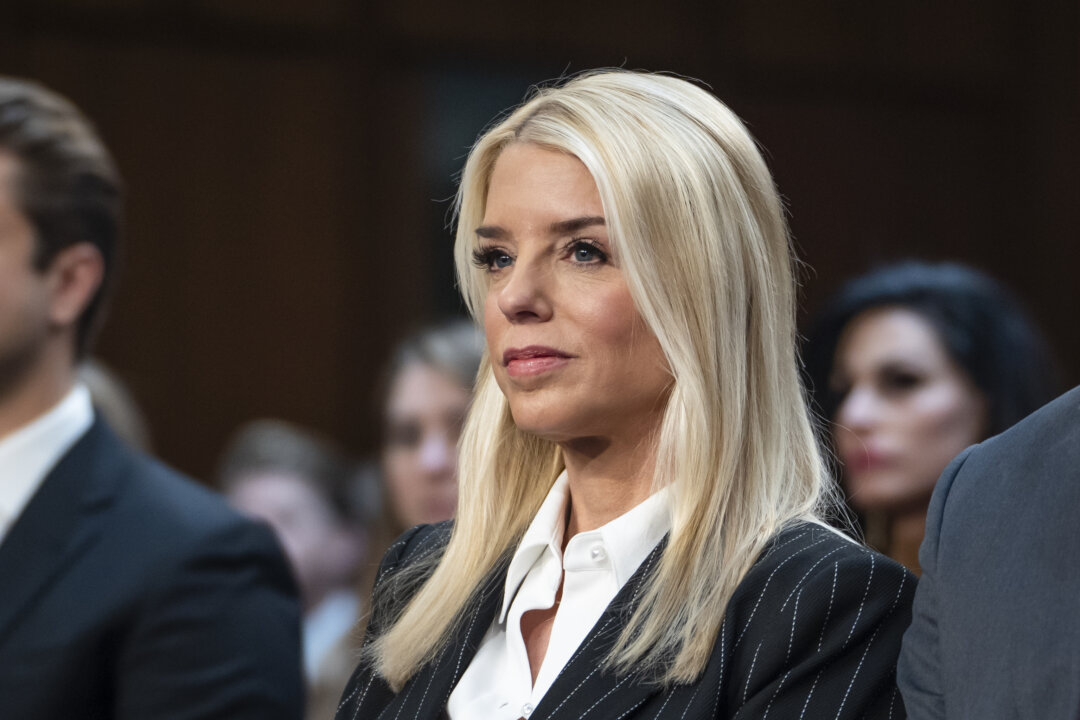
Apple has faced criticism over its AI-generated news alerts after distributing incorrect information regarding Pete Hegseth, a nominee for defense secretary, as well as two other cabinet nominees. The alert incorrectly stated that Hegseth had been “fired” and inaccurately claimed that Senator Marco Rubio from Florida and Pam Bondi had been “confirmed,” none of which was true.
A screenshot capturing this misinformation was posted by Geoffrey Fowler, a tech columnist for the Washington Post, on Wednesday, coinciding with ongoing confirmation hearings. Fowler shared the screenshot on the Bluesky social media platform, highlighting that Apple Intelligence “got every fact wrong” in summarizing news alerts from the Washington Post. This situation intensified scrutiny on Apple’s AI-driven news service.
Fowler expressed his concerns, stating, “It’s wildly irresponsible that Apple doesn’t turn off summaries for news apps until it gets a bit better at this AI thing.” He mentioned that news organizations had raised complaints with Apple, explaining that they have no control over how artificial intelligence modifies their “accurate and expertly crafted alerts.”
The BBC also publicly criticized Apple for disseminating misinformation about Luigi Mangione, who was allegedly involved in a health care CEO killing. Another notable incident was the false alert about the arrest of Israeli Prime Minister Benjamin Netanyahu.
Apple responded to the BBC, explaining, “Apple Intelligence features are in beta, and we are continuously making improvements with the help of user feedback.” The company encouraged users to report any unexpected notification summaries that might cause concern.
President-elect Donald Trump nominated Rubio to lead the State Department, and Bondi was nominated as the U.S. attorney general following former Congressman Matt Gaetz’s resignation from his appointment.
The series of errors in Apple’s AI-generated news alerts underscores the challenges and responsibilities associated with leveraging artificial intelligence in disseminating news. The technology, still in its development phase, has demonstrated a need for more accurate algorithms and a better understanding of context to ensure reliability.
Apple’s attempt to use AI in news aggregation aims to provide users with timely and relevant content. However, the recent incidents have raised questions about the reliability of AI in handling sensitive information and the potential implications for public perception and trust.
The tech giant has been urged to exercise caution and responsibility, particularly in an era where misinformation can spread rapidly and influence public opinion. The role of technology companies in managing news distribution has become increasingly significant, with expectations for accuracy and accountability being paramount.
As AI continues to evolve, the importance of human oversight in verifying and contextualizing information remains crucial. Journalists and news organizations emphasize the need for AI systems to collaborate with human expertise to ensure accuracy and maintain public trust.
Apple’s commitment to refining its AI technology involves considering user feedback as a critical component of the improvement process. This collaborative approach between users and technology developers is essential for addressing issues and enhancing the system’s reliability.
The incidents involving Apple’s AI-generated alerts serve as a reminder of the complexities involved in integrating technology with news dissemination. It highlights the ongoing need for innovation and continuous learning to harness AI’s potential while mitigating risks.
In the fast-paced digital landscape, the balance between technological advancement and ethical responsibility is a topic of ongoing discussion. As companies like Apple navigate this terrain, they must prioritize transparency and accountability to foster trust with their audiences.
The situation also underscores the importance of media literacy and critical thinking in today’s information-rich environment. Users are encouraged to verify information from multiple sources and remain vigilant in discerning fact from fiction.
Apple’s efforts to address the issues with its AI-generated news alerts are indicative of the broader challenges faced by tech companies as they explore the integration of AI into various aspects of daily life. The path forward requires a commitment to improvement and a recognition of the vital role that accurate information plays in society.
Ultimately, the responsibility of ensuring accurate news dissemination lies with both technology providers and news organizations. By working together, they can create a more reliable and informed public discourse, leveraging the strengths of AI while maintaining the integrity of factual reporting.
