
- Why resale value matters in today’s car market
- How brand, segment, and demand shape depreciation
- Luxury SUVs with steep value losses
- Rare and niche vehicles that are hard to resell
- Trucks, minivans, and EVs that miss the mark
- Which models look expensive up front but fade fast
Buying a car is already a costly move, and the sting gets worse when a vehicle sheds value like it is being paid to disappear. In a market where every dollar matters, resale strength has become a big deal, especially for shoppers staring down high sticker prices and bigger monthly payments. Some models look polished, capable, or futuristic on the showroom floor, but the numbers after a few years tell a much uglier story.
Depreciation is never just one thing. Mileage, upkeep, and condition all matter, but brand reputation and vehicle type can swamp the rest of the equation. A loyal owner can do everything right and still get crushed on resale if the badge on the hood carries weak demand or the segment is already flooded with better options.
That is where luxury SUVs start to get tricky, because style can hide a brutal financial slide. The Land Rover Range Rover is a perfect example, since its plush image and serious price tag do not save it from a sharp drop in value. With a starting price north of $113,000 and resale estimates that can leave it worth well under a third of that after five years, it becomes an expensive flex that ages badly on paper.
The Jaguar F-Pace lands in a similar trap. It looks sporty and premium, but resale estimates point to a loss that is hard to ignore, especially when compared with rivals that hold on much better. Buyers chasing performance in this class may love the driving feel, but the used market is less generous when the badge does not carry the same pull as the strongest German alternatives.
Then there is the Toyota Mirai, which runs into a different problem entirely. On paper, the hydrogen setup sounds smart and forward-looking, with smooth power and water vapor as the only tailpipe output. In reality, limited fueling infrastructure makes it a tough sell, and that lack of mainstream support drags resale down fast.
Pickup trucks are not immune either, even when they wear a serious work ethic. The Nissan Titan XD sits in a strange middle ground between light-duty and heavy-duty trucks, and that awkward positioning works against it. When a truck does not fit neatly into one camp or the other, buyers tend to gravitate toward the more established names, which is bad news for resale.
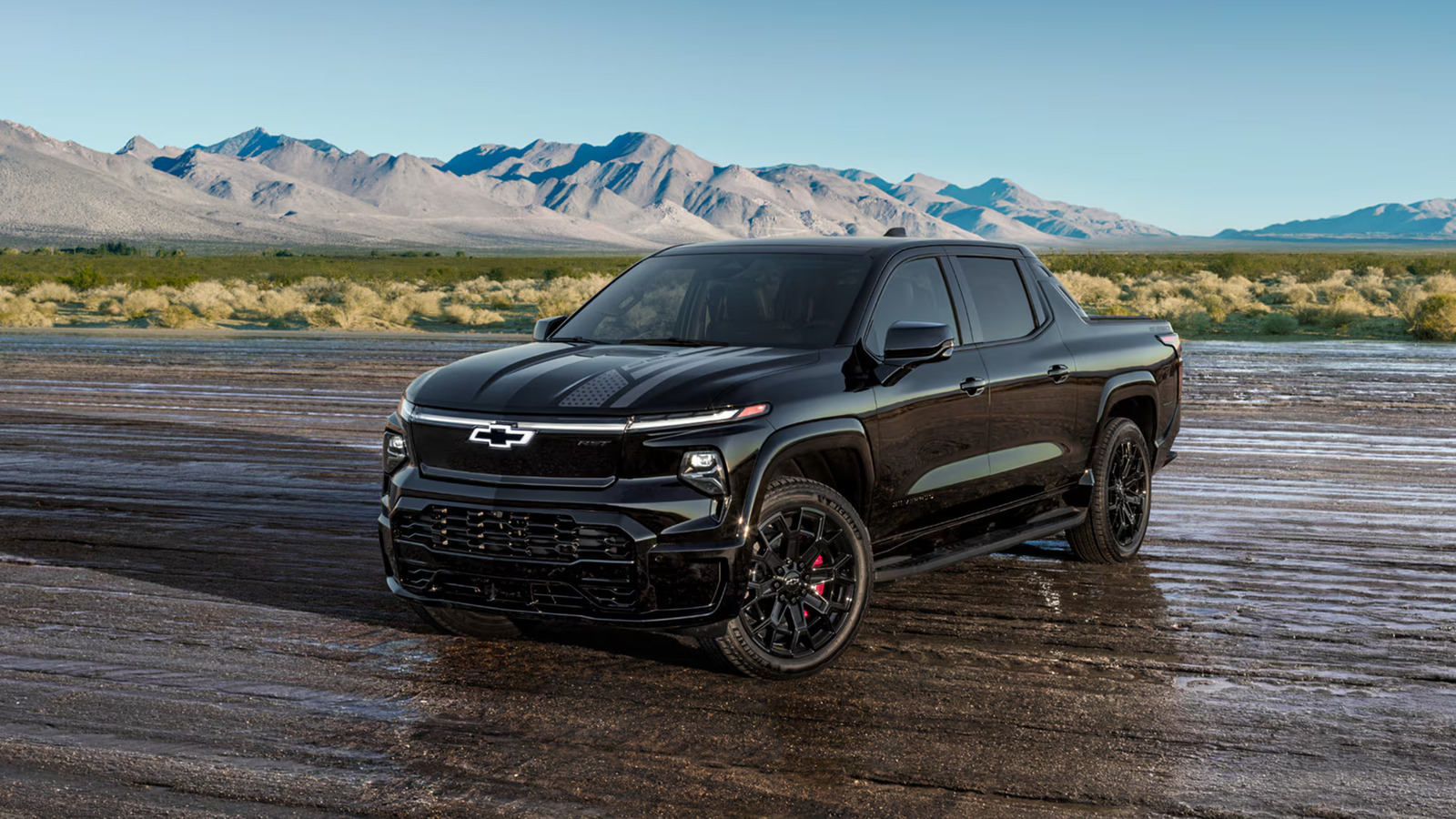
The Chevrolet Silverado EV shows how new technology can still struggle once the first-owner shine wears off. Electric pickups are still carving out their place, and competitors like the F-150 Lightning and the GMC Sierra EV have given shoppers more confidence. The Silverado EV may be fresh and ambitious, but the market has not been in a forgiving mood.
Minivans bring their own headaches, even though they remain practical family haulers. The Chrysler Voyager has a lower entry price than some rivals, but that does not prevent a steep value drop over time. Reliability perceptions matter here, and vehicles like the Toyota Sienna and Honda Odyssey have built stronger reputations that help them hold value far better.
Even big family SUVs can surprise shoppers with how fast they fade. The Nissan Armada offers strong towing and off-road ability, which sounds like a smart buy for people who need muscle and space. Still, the resale figures trail rivals like the Tahoe and Yukon, and that gap turns a capable full-size SUV into a pricey long-term gamble.
