
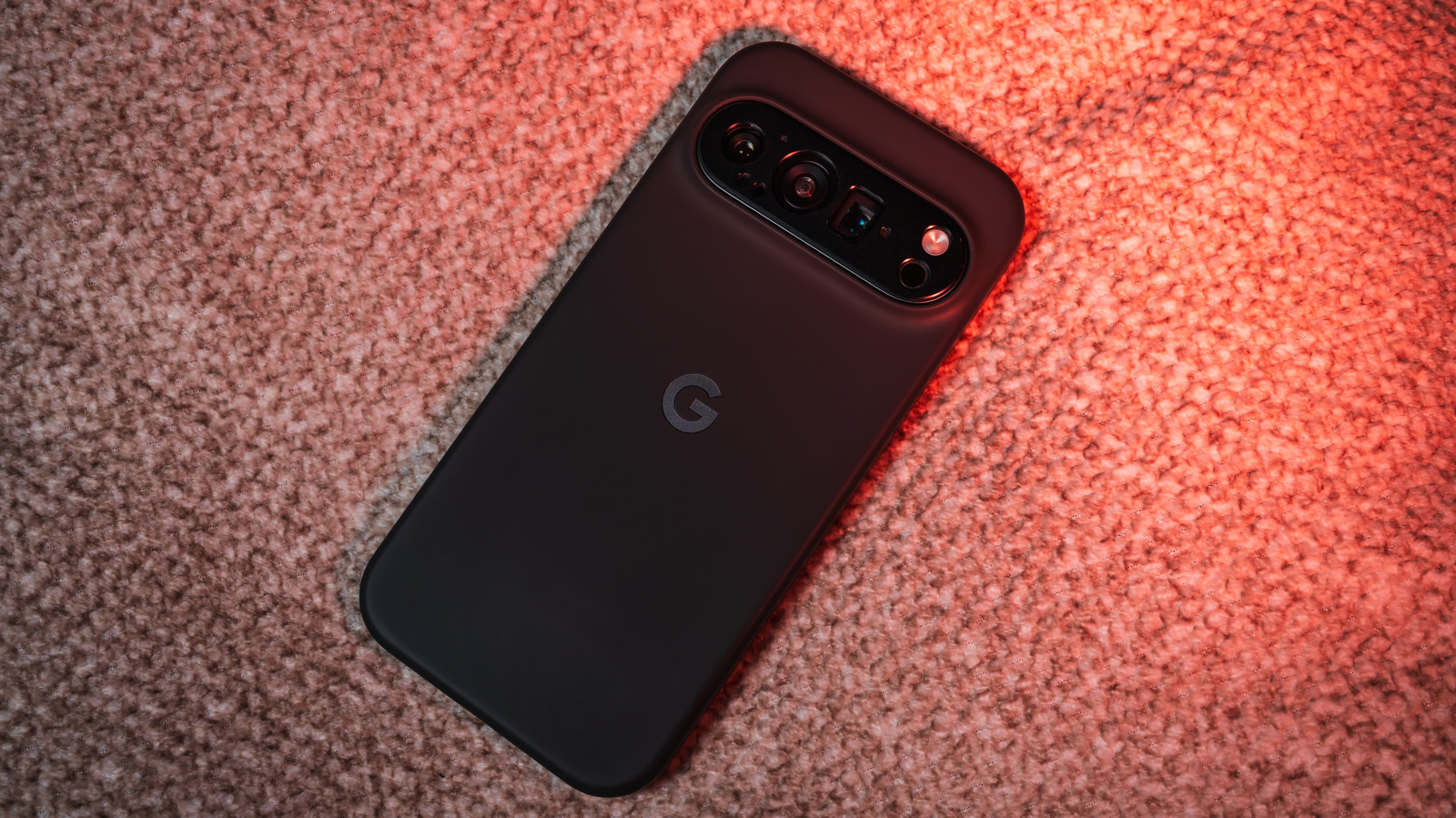
Google’s Pixel lineup still has a lot going for it, from polished Android software and fast updates to smart AI tricks and standout cameras. But once you look past the branding and into the price-to-performance mix, the Pixel 10 Pro starts to look a lot less untouchable. There are several Android phones that cost less and still bring better specs, stronger battery life, faster chips, or simply a more sensible overall package.
The first easy alternative is the Google Pixel 10a, which keeps the Pixel feel without asking for flagship money. At $500 for the 128GB version, it gives you a 120Hz OLED screen, the same 6.3-inch size as the Pixel 10 Pro, and seven years of software support. It does trim the camera setup and leaves out the telephoto lens, but for plenty of people that tradeoff is more than fair.
Samsung’s Galaxy S26 is another sharp value play, especially if you want a true premium phone without paying top-dollar Pixel money. It starts at $900, gives you 256GB of storage right out of the box, and runs on Qualcomm’s Snapdragon 8 Elite Gen 5, which is a much stronger fit for gaming and heavy multitasking. Samsung also matches Google with seven years of updates, while One UI and Galaxy AI bring a full-featured experience that does not feel like a downgrade.
The OnePlus 15 leans hard into speed, battery life, and display quality, and that formula still works. For $900, you get 256GB of storage, 12GB of RAM, and a 6.78-inch AMOLED panel that can hit 165Hz in supported apps and games. It also uses the Snapdragon 8 Elite Gen 5, which gives it a big edge over the Pixel 10 Pro when the workload gets serious, and its massive 7,300 mAh battery is the kind of thing Pixel owners can only envy.
If you want the Pixel vibe without paying for the Pro badge, the regular Google Pixel 10 makes a lot of sense. It costs $800 for the 128GB version, uses the same Tensor G5 chip as the Pro, and keeps the familiar 6.3-inch OLED display, IP68 rating, and seven-year update promise. You do lose some RAM and get smaller camera sensors, but the core Pixel experience stays intact, which makes it a strong middle-ground pick.
Then there is the Nubia RedMagic 11 Air, which is aimed squarely at people who care more about gaming than camera bragging rights. At just $530, it pairs the Snapdragon 8 Elite with 12GB of RAM, 256GB of storage, a 144Hz AMOLED screen, and a huge 7,000 mAh battery. The tradeoff is shorter software support and an under-display selfie camera, but if raw hardware per dollar is the goal, this phone comes out swinging hard.
What makes all of these options interesting is that they attack the Pixel 10 Pro from different angles rather than trying to copy it outright. Some go after performance, some focus on battery life, and some simply offer the same kind of polished Android experience for less money. That is exactly why the Pixel 10 Pro has a harder time justifying its price than Google would probably like, because Android buyers have more than one good place to spend their cash.
