
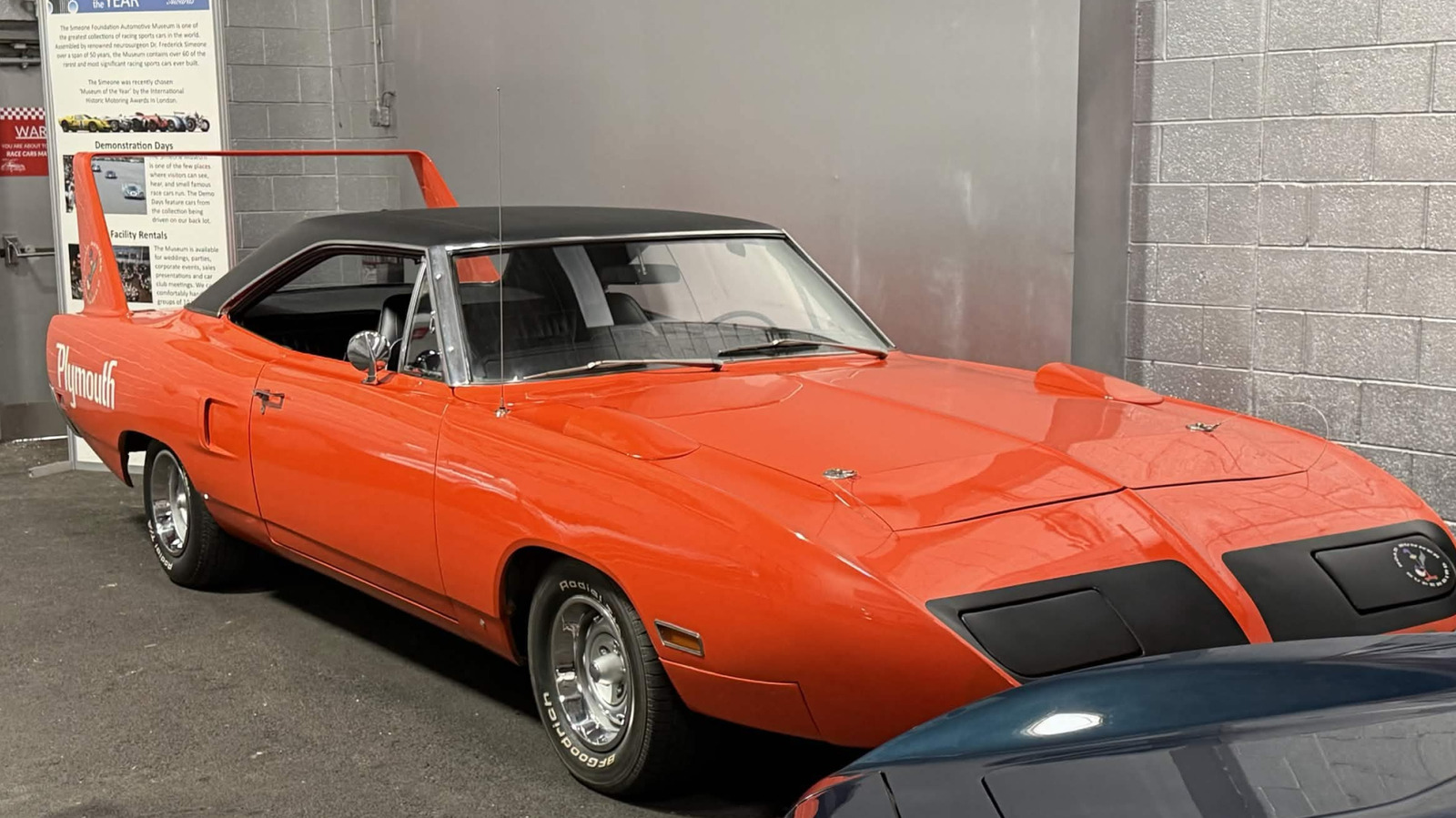
The 426 Street HEMI is the stuff of automotive legend, the engine that turned Mopar machines into icons and collectible gold. This piece looks at why HEMI-powered Mopars command such high prices and walks through the standout models that buyers fight over. Expect a spirited, grounded look at rarity, performance, and how provenance drives value.
The 426 Street HEMI earned its reputation on both the strip and the street, delivering brute force and a unique growl that made Mopar muscle unforgettable. Built to be robust and easy to tune, it became the go-to for racers and hobbyists who wanted serious cubic inches without compromise. That racing pedigree followed these cars into classic-collector circles and set the stage for intense bidding wars decades later.
Rarity is the first currency in the classic market, and HEMI-equipped Mopars often check that box. Many HEMI options were dealer-installed or special-order; numbers are low and documentation is everything. A documented HEMI car with matching numbers and original paperwork becomes less a vehicle and more a time capsule—a product collectors will pay handsomely to own.
Condition is the next big factor, and it can turn a great car into a museum piece or a restoration project. Cars that survive unrestored, with original paint and patina, are rare and highly prized because they tell the story of their life on the road. Conversely, a high-quality frame-off restoration that stays faithful to original specs can also command top dollar if the build uses period-correct parts and keeps the car authentic.
Provenance often settles disputes about value: celebrity ownership, documented race history, or participation in notable events all add weight. A HEMI-powered Barracuda campaigned at a major drag race or a Charger with documented dealer rip sheet suddenly becomes more than metal and rubber. Collectors pay premiums for that backstory because it validates the car’s place in automotive history.
Certain models tend to surface at the very top of price lists because they combine several value drivers: low production, high performance, and a killer look. The Plymouth Barracuda and the Dodge Charger are regulars in that company, especially when they’re factory HEMI cars with original transmissions and accessory packages. The Chrysler muscle line produced a handful of models that are now trophies for well-heeled enthusiasts who appreciate Mopar attitude and provenance.
Even within HEMI cars, options and specifics matter: transmission choice, axle ratios, and whether the car left the factory as a true street HEMI or was retrofitted later, all change the story. Buyers hunt for matching numbers and original stamps because those details reduce ambiguity and assure them the car is “the real deal.” Auction houses and private sales reflect that certainty in their price tags, with bidders often willing to pay a noticeable premium for documentation and honesty.
The HEMI mystique also feeds modern culture—movies, restoration shows, and social media keep these cars in the public eye and in demand. Younger collectors see the raw simplicity and mechanical honesty and want in, which keeps the market competitive across generations. Ultimately, the 426 Street HEMI didn’t just make cars faster; it created a kind of cultural currency that translates directly to collectibility and high prices.
