
Car names do not always stay buried. Some get retired, some get nudged out by changing tastes, and a few claw their way back when the market swings hard enough to make them relevant again. In 2026 and beyond, that revival streak is showing up in a big way, with familiar badges returning in fresh forms that lean harder into electrification, better range, sharper design, or just plain nostalgia.
Automakers usually discontinue a model for a reason. Sales can fade, safety and emissions rules can tighten, or the platform underneath can get too old to justify another update, especially when SUVs and crossovers keep swallowing a bigger share of the market. But a model that disappears can still leave behind a name people remember, and that memory can become a powerful marketing tool when the timing finally feels right again.
The BMW i3 is a perfect example of a comeback that looks nothing like the original. The first version was quirky, compact, and ahead of its time in some ways, but its limited range and unusual styling kept it from becoming a mainstream hit. BMW is now bringing the badge back as part of its Neue Klasse push, and this time the i3 is expected to arrive with serious power, long range, and a far more conventional shape.
That new i3 is set to be a very different kind of electric car. BMW is targeting roughly 440 miles of range, dual electric motors, and rapid charging that can add a big chunk of battery life in just minutes. It is also being pitched with modern cabin tech and bidirectional charging features, which gives the car more usefulness than a simple daily commuter ever could. The old name is familiar, but the new car is clearly built for a different era.
Honda is also dusting off a badge people have not seen on a showroom floor in years. The Prelude first appeared as a small coupe with modest power and a style that fit its time, then vanished after five generations. Now it is back as a hybrid coupe with far better performance and efficiency, aiming at drivers who want something sportier than an ordinary commuter without giving up practicality.
The reborn Prelude keeps the coupe formula alive, but the execution is much more polished. It comes with a modern look, multiple drive modes, a driver-focused cabin, and Honda’s Sensing Suite of safety and assistance features. With front-wheel drive and pricing that starts in the low $40,000 range, it is positioned as a fun car that still has to make sense in a world where fuel economy and tech matter just as much as curb appeal.
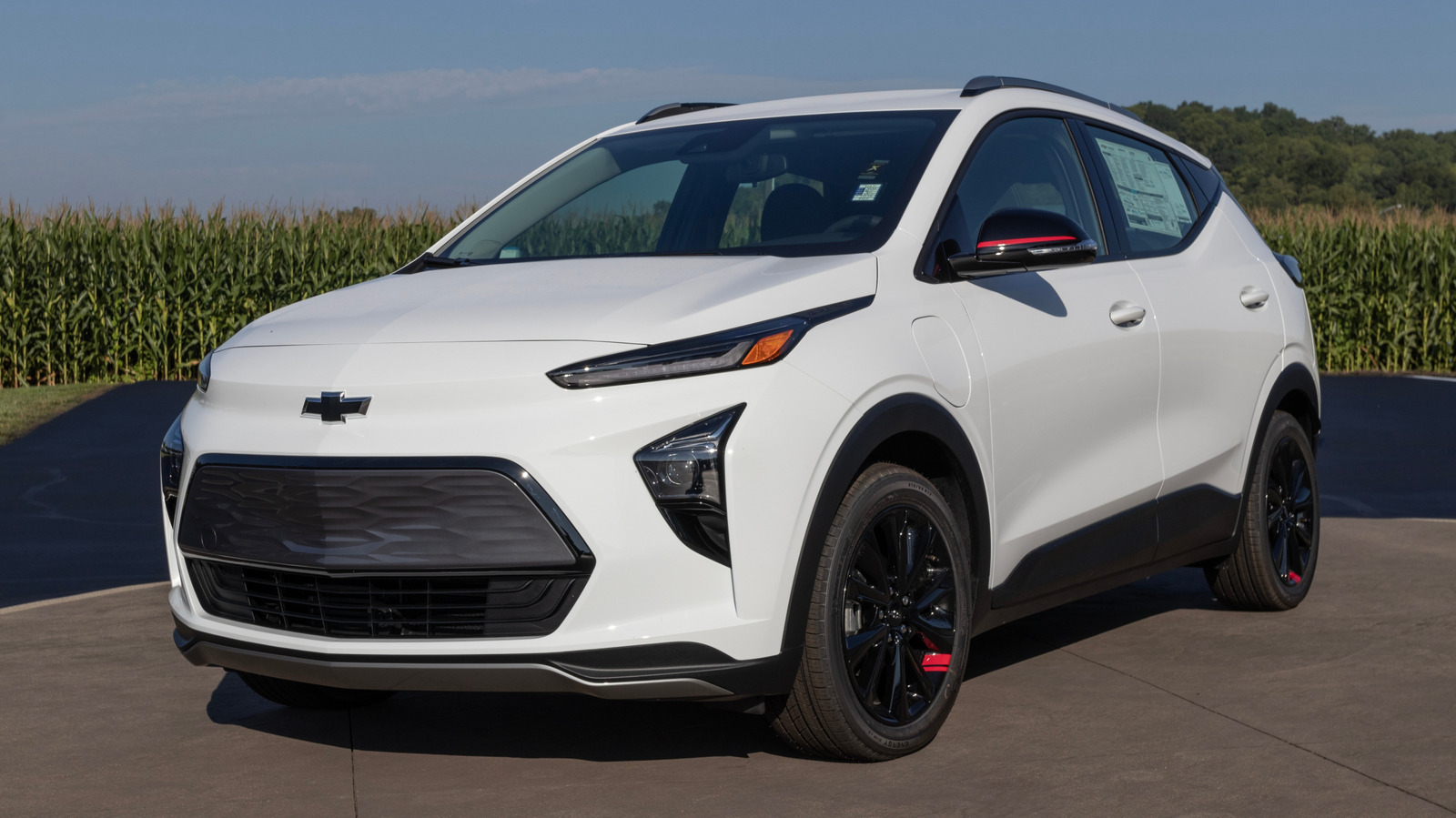
Chevrolet’s Bolt return is a different kind of story, because this one is tied directly to the fight over affordable EVs. The original Bolt helped open the door for budget-friendly electric driving, then disappeared, leaving fewer low-cost choices on the market. Its comeback matters because not every buyer wants a luxury EV with a sky-high price tag and a giant screen glued to the dashboard.
The new Bolt is being sold as a practical entry point, with a starting price around $27,600 and an EPA-estimated range of 262 miles. That range will not beat the class leaders, but it does put the car within reach for a lot more shoppers, especially with a fast-charging setup that can move from 10% to 80% in about 25 minutes. Add in standard safety equipment, a usable five-seat layout, and some bright color choices, and the Bolt feels like a comeback aimed squarely at real-world buyers.
Cadillac’s XT6 revival shows that gas-powered SUVs are not done yet, no matter how loudly the industry once talked about going all electric. The XT6 had already been pushed aside as Cadillac moved toward EVs, but the market shift has softened that plan. With demand still strong for roomy three-row SUVs, the brand is preparing to bring the XT6 name back into the lineup.
Details on the return of the XT6 are still thin, but the basic idea is easy to understand. It is expected to keep the practical, family-friendly shape that made it appealing in the first place, and that matters because shoppers still want comfort, space, and straightforward powertrains they trust. The badge may have been shelved, but the demand for a solid midsize luxury SUV never really went away, and Cadillac seems ready to admit that.

1 Comment
BMW revive the Z8 coupe alone Needed one in 007 movie