
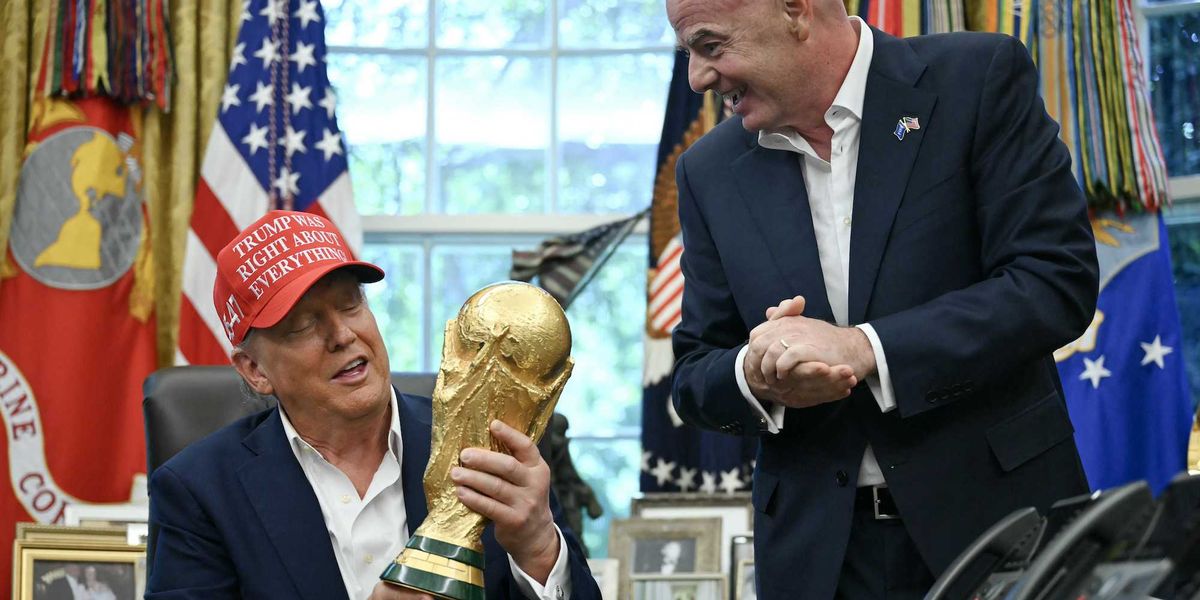
The World Cup has unfolded as a major win for hosts and organizers, not the political embarrassment some on the left quietly hoped for, and that reality has forced a pivot from predicted failure to awkward hand-wringing and grudging praise. This piece walks through the reaction from Democrats, the social media backlash, local organizers getting credit, and the White House pushing President Trump’s leadership into the spotlight. It highlights the tension between partisan expectations and a smooth-running global event that a lot of Americans are simply enjoying.
Planners and officials delivered a huge logistical feat across multiple cities, and that success made it hard for political opponents to pin a national fiasco on the administration. Many Democrats had apparently expected operational headaches to become a political story, but stadiums filled, matches ran on schedule, and fans showed excitement instead of chaos. That shift undercut the original narrative some were eager to push.
“I think that there was a little bit of like liberal wishcasting that this would maybe be a disaster to sort of stick it to Trump,” said Democratic strategist Rob Flaherty. That quote landed widely because it admitted publicly what many had only hinted at in private: hoping for failure is a weak political posture when so many Americans just want a good event. The acknowledgment didn’t make the usual suspects any happier, and it pushed the debate into social feeds and op-eds.
‘What an absolute crock of an article.’
Voices across social media reacted sharply to coverage that framed the tournament as a political headache rather than a national win. A.J. Delgado, who identifies as anti-Trump. “Yes, nothing makes Dems more uncomfortable than Dem-mayor Boston; Dem-mayor Atlanta; Dem-mayor Miami and more doing a great job hosting. This is like saying Dems are struggling with the Knicks’ success.” Her point was blunt: local leaders of both parties did the heavy lifting, and their success didn’t conveniently fit a partisan narrative.
“Why would Democrats grapple with it being that it’s democratic cities that benefited from it? Pretty stupid headline,” Leslie Marshall. That reaction echoed across multiple posts, with critics calling out the framing and pointing out the obvious connection between municipal competence and a clean tournament. The backlash suggested people were tired of partisan spin when events are producing tangible benefits like tourism, jobs, and global visibility for American cities.
Other critics were equally direct: “What an absolute crock of an article,” another X user. “Truly stupid claim. Conservatives make everything political & divisive. The media was so much better when it simply reported events,” another critic. That line of response showed frustration at what looked like manufactured controversy instead of straightforward coverage of an international sporting success.
Fans and commentators also pushed back with nuance, saying you can appreciate the games and still dislike the president. “Article is trash. Dems arent uncomfortable with #WorldCup success,” one detractor. “You can enjoy games, events and Europeans amazement of American culture while also thinking Trump is POS. Cup just showed Europeans think Trump is POS but still love USA.” That captures the split many feel: pride in the event without turning it into an automatic approval of a political figure.
https://x.com/AJDelgado13/status/2070470879021080826
In the official response, the White House leaned into the win and highlighted presidential leadership. “Thanks to President Trump’s bold leadership, the FIFA World Cup 2026 will undoubtedly go down as one of the greatest and most historic sporting events in history,” on social media. That kind of phrasing is exactly what supporters wanted to see: a clear claim that national pride and administrative competence are connected.
Local mayors, stadium staff, and volunteer networks deserve credit for the operational success, and the political debate won’t erase the fact that fans had a mostly positive experience. But the clash over who gets the political credit is inevitable when major events intersect with a charged election year. For now, the tournament stands as both a logistical accomplishment and a reminder that politics will always try to claim the narrative wins.
