FIFA’s 2026 World Cup is selling out fast, but a new hotel industry outlook warns that ticket sales do not necessarily equal international visitors booking rooms, leaving some host cities nervous about the economic payoff.
Ticket volumes are huge, and FIFA even cut prices as the opening approached to clear more seats, a move that pushed sales past several million. Stadiums will likely see record attendance, yet hotel bookings are not keeping pace with the optimism on the pitch. That mismatch is the core worry for lodging operators and local business owners.
“Nearly 80% of bookers said hotels are tracking below their initial forecasts.” That line jumped off the Association of American Hotel & Lodging report and into boardroom conversations in cities expecting tourist dollars. When nearly four in five respondents signal softer bookings, the math becomes hard to ignore for hotels that spent years preparing and investing for a global audience.
Industry leaders point to a bundle of reasons why international travel to the U.S. could undercut hotel projections. Visa backlogs, perceived or real, are scaring off some would-be visitors, while higher fees and longer security procedures make planning a trip feel risky and expensive. On top of that, a strong dollar and rising travel costs are persuading some fans to stay closer to home.
The report also takes aim at how inventory was handled. Large room blocks were reserved in advance to meet anticipated demand, but many of those reservations were never fully claimed. Hotels say that strategy produced an artificial booking bump on paper but left actual pickup rates far below those early commitments, complicating revenue forecasts.
International fans have a different spending profile than domestic travelers, and their absence matters. The report notes international visitors historically spend more per head than local travelers, lifting restaurants, transit, and neighborhood businesses as they move between host cities. Losing that premium audience could reduce the multiplier effect cities were counting on for hotels, dining, and retail.
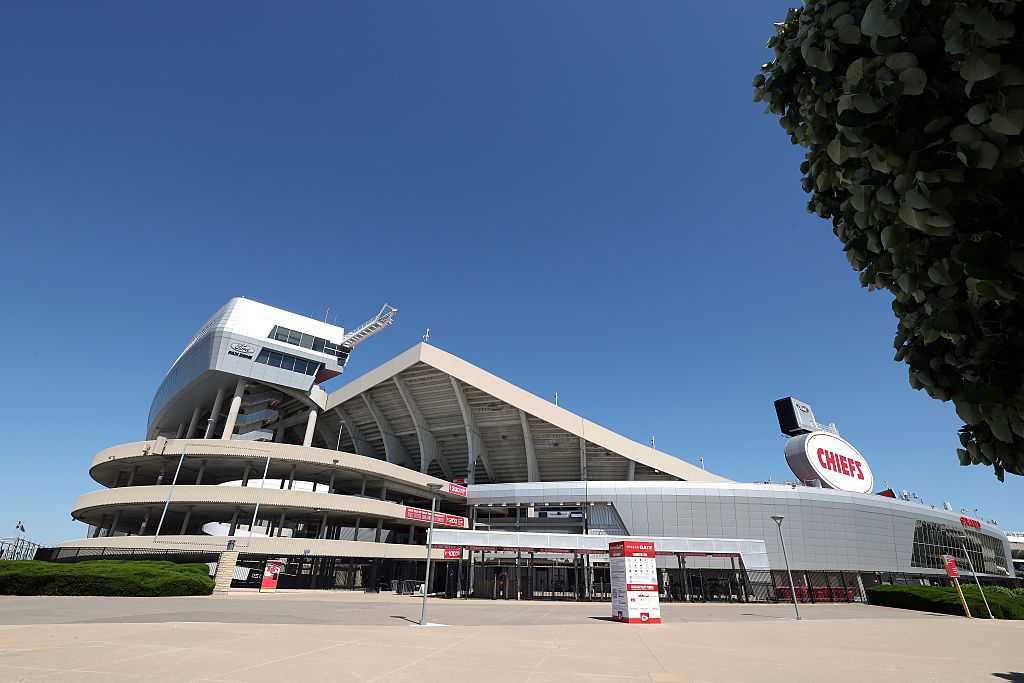
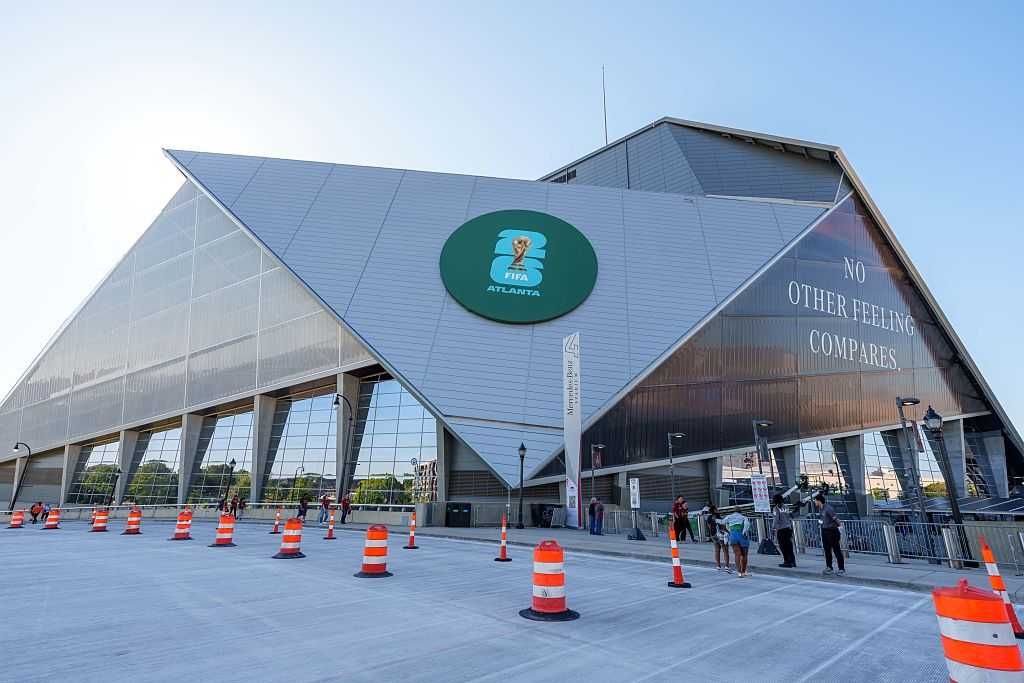
City-by-city projections vary, with some markets far more nervous than others. Business owners in Kansas City reported the highest expectation that they would perform below projections, while Atlanta appears relatively comfortable compared with peers. Local tax changes also add uncertainty; proposed hikes on lodging and prepared food could dull demand further by making stays pricier for casual visitors.
Hoteliers also say federal policy and macroeconomic factors are part of the picture. Elevated airfare and fuel costs raise the total price tag of a World Cup trip, and the exchange rate works against fans coming from weaker currencies. Those barriers, real or perceived, create a friction that keeps some international seats in the stands empty or substituted with domestic attendees.
Even with the booking shortfalls, organizers expect massive crowds at venues and a historic atmosphere across the U.S. The White House described the event as “one of the greatest and most spectacular events in the history of mankind.” Local leaders are juggling that national pride with pragmatic plans to protect small businesses and meet revenue targets that now look shakier than they did a year ago.
For hotels and host cities the next few weeks are critical. Some operators are reworking pricing and offer strategies to attract last-minute international travelers and make up ground with domestic fans. Others are watching policy changes and local taxes closely, knowing that a few tweaks could either rescue forecasts or widen the gap between expectation and reality.
In short, the World Cup’s ticket momentum is real, but translating packed stadiums into the wide-ranging economic boost cities expected is not guaranteed. Hotels built capacity and shaped operations around a global influx that may be smaller than hoped, and now those businesses have to adapt fast or risk falling short of the windfall they banked on.