
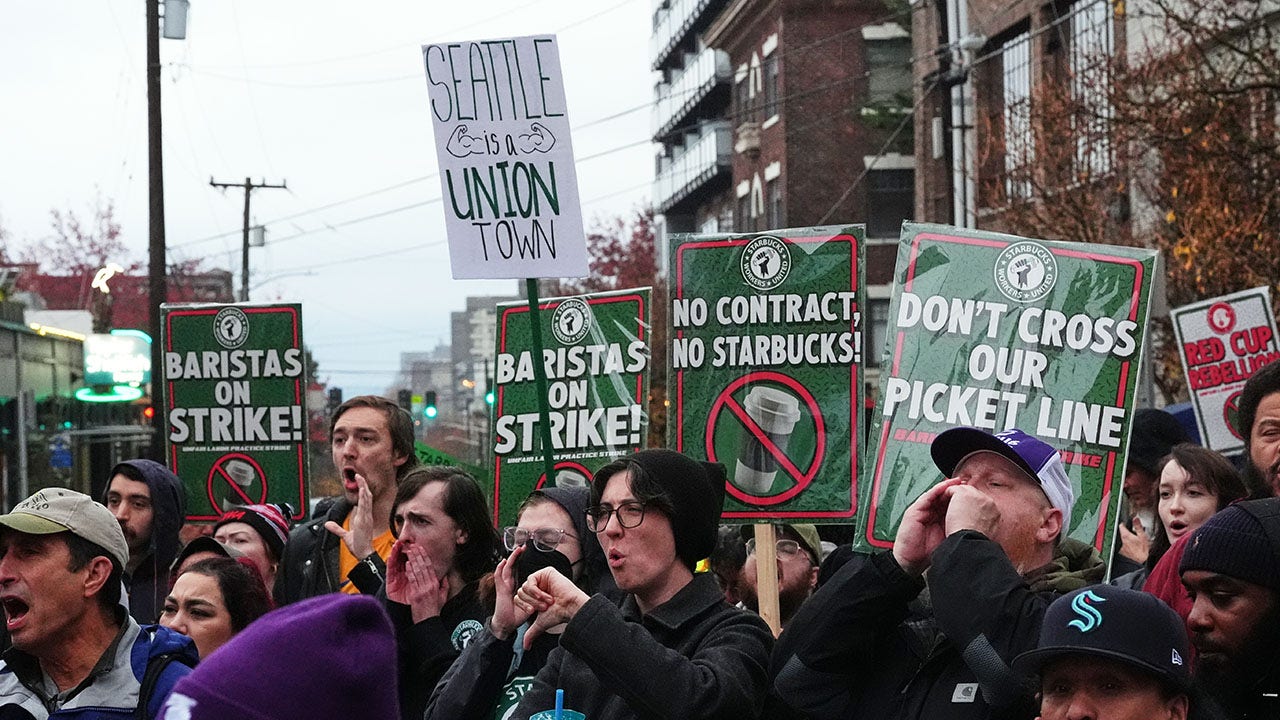
“I like unions. I just don’t like my union.” This piece looks at why so many workers say that, why measured union membership is low despite broad approval, how private and public unions operate differently, and why union politics and bargaining tactics are driving members and the public away.
That opening line is a common feeling I hear from employees across industries, and it reveals the core problem. Workers often respect the idea of collective bargaining but distrust the people running their unions. Frustration comes from leaders who pursue power or politics instead of improving day-to-day workplaces.
Polls back this up: many Americans say they approve of unions in the abstract, yet far fewer actually join one. The U.S. Bureau of Labor Statistics shows union membership hovering around 10 percent nationally, a number that barely budged. Those figures matter because they show a gap between sentiment and real commitment.
Private sector union membership is especially weak, sitting at about 5.9 percent, a fraction of levels seen in 1980 when over 20 percent of private workers were organized. Private employers face real market pressure, and union wins that look big in the short term can force firms to cut jobs later to stay viable. A clear example is the dispute with UPS: after the Teamsters secured gains in 2023, UPS later cut 48,000 positions and announced plans for another 30,000 cuts.
As economist Liya Palagashvilli put it, “UPS is not an outlier. It is a case study in how monopoly bargaining can generate short-run wins that give way to long-run adjustment costs.” That line nails a key Republican critique. When unions extract concessions without facing the same risks as private firms, the long-term cost often lands on workers and customers.
Research compiled by Mercatus further shows that across 147 studies, union victories frequently translate into higher costs and lower output for customers. Those pressures mean employers reduce staff or automate to compensate, shrinking union rolls. In short, a win for a union can be a loss for overall employment in that field.
Public sector unions operate under a different logic because governments rarely go bankrupt the way private companies can. When public unions win raises or benefits, the bill falls on taxpayers rather than a company balance sheet. For example, Teamsters secured a 13 percent wage increase for several categories in the Los Angeles School District, contributing to a projected $877 million deficit while layoffs affected fewer than 1 percent of the district’s 83,000 employees.
Public unions also pour huge sums into politics, backing candidates and policies that preserve or expand their influence. In 2024, the largest government unions spent roughly $650 million on political activity, mostly from dues. That kind of political play turns unions into power brokers focused on ideology and influence rather than steady representation of rank-and-file members.
Another sign of trouble is that some unions now represent very different types of workers than they did historically. The United Auto Workers, for instance, has a huge share of graduate student workers and postdoctoral researchers, who now account for roughly a quarter of its membership while classic autoworkers are less than half. That shift changes priorities and bargaining strategies.
Workers are voting with their feet. Many employees who once tolerated or supported unions are walking away when leadership spends dues on politics or secures deals that threaten long-term job stability. Until unions refocus on representing current members’ workplace needs and long-term job security rather than chasing short-term gains and political favors, membership and trust will keep slipping.
